

Strong internal governance is the backbone of every successful SACCO in Kenya. As the institution’s independent watchdog, the supervisory committee must effectively audit financial records, oversee risks, and prevent fraud to protect members’ funds. Investing in professional Supervisory Committee Training for SACCOs is the most reliable way to equip your team for this critical mandate. At www.saccochampions.co.ke, we deliver expert-led training programs designed to help your committee efficiently master internal audit, risk management and fraud prevention strategies.
The Vital Role of the Supervisory Committee in Kenyan SACCOs.
The supervisory committee acts as the eyes and ears of the general membership. Unlike the main board of directors, which focuses on daily management and strategic growth, the supervisory team provides independent oversight. In Kenya, where the Sacco Societies Regulatory Authority (SASRA) enforces strict compliance rules, this committee ensures that the institution operates within the law.
Without proper skills, committee members may struggle to interpret complex financial statements or spot early signs of operational failure. Effective training ensures that members understand their legal mandates, learn how to analyze balance sheets, and understand how to evaluate management decisions objectively. This oversight keeps the SACCO stable and builds high levels of trust among its members.
The Core Curriculum: Key Modules in Supervisory Committee Training for SACCOs.
To transform your oversight team from passive observers into proactive guardians of members’ assets, a training program must be highly structured. A comprehensive Supervisory Committee Training for SACCOs program breaks down these complex responsibilities into three essential modules.
Here is a detailed look at the core pillars that form the foundation of this training framework:
Pillar 1: Mastering Internal Audit for SACCOs.
Internal auditing is no longer just about checking numbers after transactions occur. Modern financial management requires a proactive, risk-based internal audit approach that identifies system gaps before they turn into costly problems.
-
Understanding Risk-Based Auditing: A risk-based audit focuses on the areas of the SACCO that face the highest risks, such as the loan portfolio, cash handling operations and information technology systems. Training empowers the committee to evaluate whether the internal audit department is targeting these high-risk areas effectively.
-
Evaluating Internal Controls: Internal controls are the policies and procedures that protect SACCO assets. The supervisory committee must know how to review these controls to confirm they are working perfectly. This involves testing processes like the separation of duties, authorization limits for cash withdrawals and password protection systems for the SACCO’s core banking software.
-
Navigating SASRA Compliance Guidelines: The Sacco Societies Regulatory Authority (SASRA) has set clear operational guidelines that every deposit-taking and non-deposit-taking SACCO in Kenya must follow. Training helps committee members understand liquidity ratios, capital adequacy requirements and statutory reporting deadlines. Remaining compliant avoids costly regulatory fines and protects the SACCO’s operating license.
Pillar 2: Strengthening Risk Oversight.
Risk is an unavoidable part of running any financial institution. However, failing to manage risk can lead to the sudden collapse of even the largest cooperative societies. The supervisory committee must maintain strong risk oversight to keep the institution safe.
-
Credit Risk Management: Since lending is the primary source of income for most SACCOs, credit risk is always a major concern. Committee members learn how to review the non-performing loans (NPL) ratio, analyze the effectiveness of the credit committee, and ensure that the collateral used for big loans is valued correctly and legally secured.
-
Operational and Cyber Risks: As Kenyan SACCOs adopt digital banking channels like mobile money apps, internet banking and USSD codes, they become targets for cybercriminals. Risk oversight training covers modern technology risks, data protection laws and business continuity plans to ensure the SACCO can survive a major system outage.
-
Liquidity and Market Risk: A stable SACCO must always have enough cash to meet member withdrawal requests and disburse approved loans on time. The supervisory committee learns how to monitor cash flows and look at financial trends to ensure the institution maintains an optimal balance between liquidity and profitability.
Pillar 3: Fraud Prevention and Detection Strategies.
Financial fraud remains a massive challenge for financial institutions across Kenya. From insider collusion to sophisticated digital theft, SACCOs lose millions annually to fraudulent activities. Therefor supervisory committee is the ultimate line of defense against these financial crimes.
-
Common Fraud Schemes in SACCOs: Training exposes hidden vulnerabilities, such as loan fraud (ghost members/fake documents), cash suppression (delaying deposit records), expense inflation (fake procurement invoices) and insider collusion between staff members.
-
Implementing Whistleblowing Mechanisms: An effective fraud prevention strategy must include a safe, anonymous whistleblowing system. Training teaches the committee how to set up, monitor and protect channels where staff and members can report suspicious activities without fear of victimization.
-
Developing a Fraud Response Plan: When fraud is suspected, the supervisory committee must know exactly how to react without compromising evidence. Specialized training provides clear, step-by-step procedures on how to conduct preliminary investigations, secure audit trails and work smoothly with external forensic auditors or law enforcement officers.

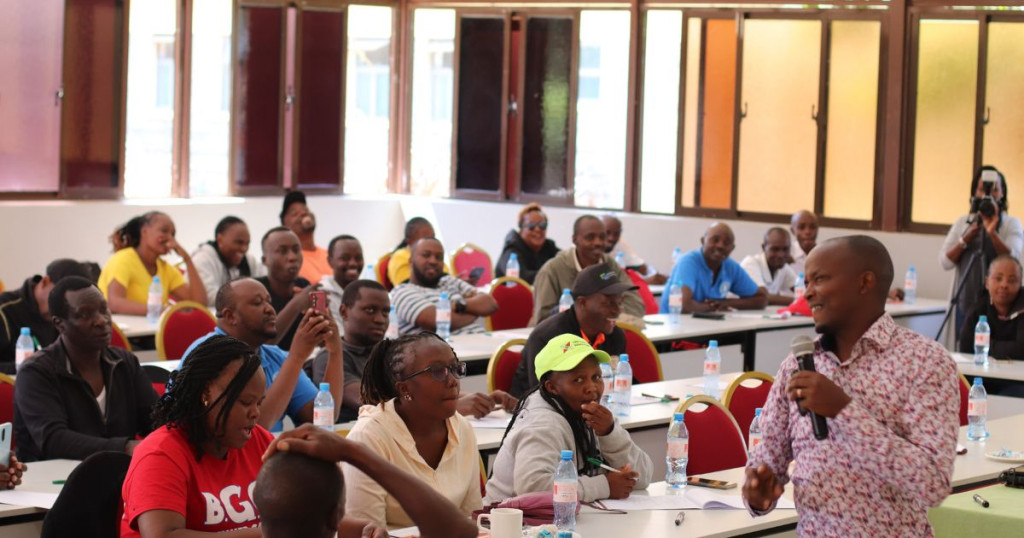
Why SACCO Governance Fails Without Proper Training.
Often many SACCOs experience internal conflict, financial loss or regulatory penalties simply because their supervisory committees lack proper technical training. When committee members do not understand their roles, they often fall into common governance traps.
| Governance Challenge | Impact on the SACCO | How Training Resolves It |
| Lack of Financial Literacy | Inability to spot errors in balance sheets or audit reports. | Teaches basic and advanced financial analysis tools. |
| Role Ambiguity | Interferences with daily management operations or board conflicts. | Clarifies the boundaries between oversight and management. |
| Passive Oversight | Relying entirely on management reports without independent verification. | Instills a culture of professional skepticism and independent review. |
| Ignorance of SASRA Regulations | Facing unexpected regulatory sanctions or closures. | Provides deep updates on current legal and compliance frameworks. |
Why Choose www.saccochampions.co.ke for Your SACCO Training.
Selecting the right training provider determines how effectively your committee will perform its duties. At www.saccochampions.co.ke, we deliver high-impact, practical and highly relevant training programs tailored for the unique Kenyan financial market.
- Industry-Experienced Facilitators: Our trainers are seasoned internal auditors, risk managers and cooperative governance experts who understand the practical realities of running a SACCO in Kenya.
- Customized Training Modules: We do not offer one-size-fits-all packages. We assess your SACCO’s unique size, digital adoption rate and specific challenges to design a training program that addresses your exact pain points.
- Fully SASRA-Aligned Curriculum: Our course content is constantly updated to reflect the latest regulatory directives, international financial reporting standards (IFRS), and Kenyan cooperative laws.
- Practical Learning Approach: We use real-world case studies, interactive group discussions, and practical audit simulations to ensure that the knowledge sticks and can be applied immediately.
- Post-Training Support: Our relationship does not end when the seminar finishes. We offer continuous guidance and resource materials to help your supervisory committee execute its mandate successfully throughout the financial year.
Frequently Asked Questions (FAQs) on Supervisory Committee Training for SACCOs.
1. What is the main role of a SACCO supervisory committee?
The main role of the supervisory committee is to provide independent oversight over the SACCO’s financial operations, internal controls and compliance systems. They act as an internal watchdog on behalf of the general membership to ensure that the board of directors and management operate transparently and responsibly.
2. How often should a supervisory committee receive training?
Supervisory committee members should receive specialized training at least once a year. Regular training is necessary to keep members updated on changing financial regulations, new cyber threats, evolving fraud tactics and modern audit methodologies.
3. Can a person without an accounting background serve on the supervisory committee?
Yes, members from diverse professional backgrounds can serve on the committee. However, because the role involves intensive financial and risk oversight, receiving comprehensive training in internal audit and financial statement analysis is essential for them to perform their duties effectively.
4. What is the difference between the supervisory committee and the internal auditor?
The internal auditor is an employee of the SACCO who conducts daily reviews of financial transactions and operational processes. The supervisory committee is an elected independent organ that reviews the work of the internal auditor, evaluates management performance and reports directly to the members during the Annual General Meeting (AGM).
5. How does training help prevent cyber fraud in digital SACCOs?
Training teaches committee members how to evaluate the SACCO’s IT infrastructure, assess password management policies, review firewall security, and check the vulnerability of mobile banking systems. This helps them ensure that management has set up strong digital safeguards to stop hackers.
6. What steps should the committee take if they discover financial fraud?
If fraud is detected, the committee should immediately secure all relevant financial records and system audit logs to prevent tampering. Therefor should then compile an independent, objective report and present it to the board of directors and, if necessary, report the matter to regulatory authorities like SASRA or law enforcement.
7. Does SASRA mandate specific training for SACCO leaders?
Yes, SASRA requires SACCO leaders, including members of the supervisory committee, to possess appropriate skills and knowledge to run a financial institution. Regular training ensures that the leaders remain fit and proper to hold office under regulatory compliance rules.
8. How can a supervisory committee monitor credit risk effectively?
The committee can monitor credit risk by regularly reviewing the SACCO’s loan aging schedules, examining the percentage of non-performing loans, checking whether loan provisioning matches SASRA guidelines and ensuring that the credit policy is strictly followed during loan approvals.
9. What are the indicators of weak internal controls in a SACCO?
Signs of weak internal controls include frequent cash variances, lack of separation of duties (e.g., the same person posting and approving transactions), delayed financial reconciliations, high numbers of unexplained system corrections and recurrent audit queries.
10. How can we book a training session with SACCO Champions?
You can easily book a comprehensive training session by visiting our website at www.saccochampions.co.ke. Get in touch with our team via our official contact forms, email or telephone numbers provided on the platform to schedule a customized training program for your society.
Conclusion: Supervisory Committee Training for SACCOs.
The survival, growth and stability of any SACCO depend heavily on the competence of its supervisory committee. Lack of deep knowledge of internal audit, risk oversight and modern fraud prevention tactics, committee members cannot protect the institution from operational failures and financial crimes. Therefor investing in professional training is an essential strategy for long-term cooperative success.
Partner with www.saccochampions.co.ke today to give your supervisory committee the practical skills, analytical tools and regulatory insights they need to execute their mandate perfectly. Visit our website now to explore our tailored corporate training programs and take the first step toward securing your SACCO’s financial future.