









Sacco Training Programs in Kenya


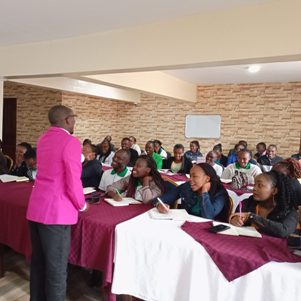

Flagship SACCO Learning & Development Programs
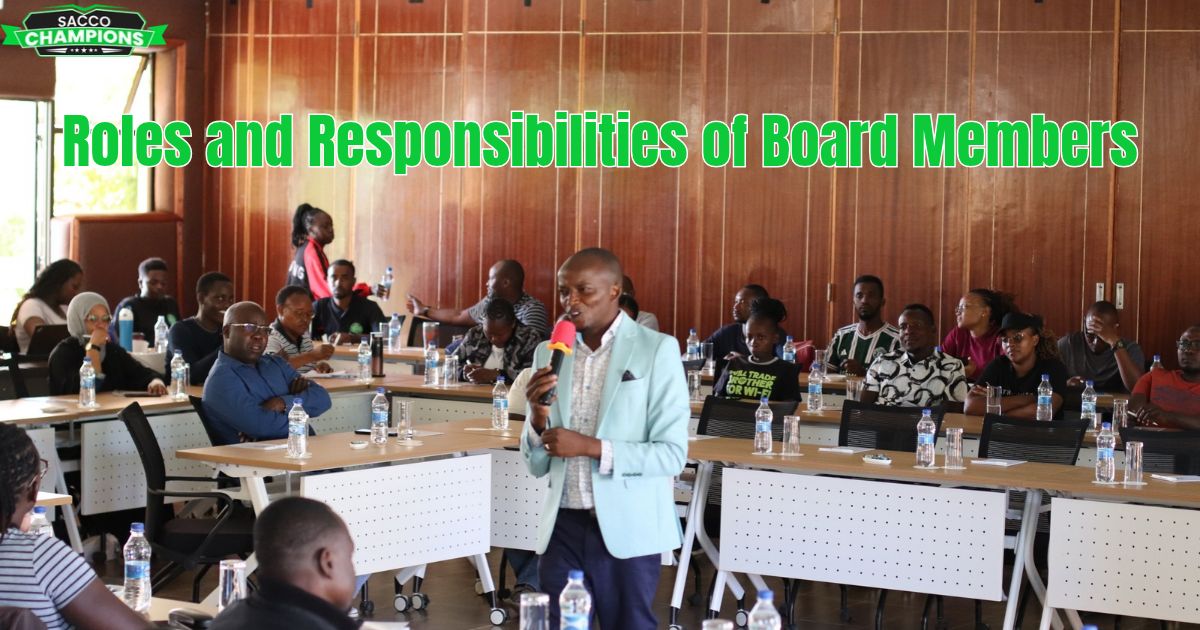
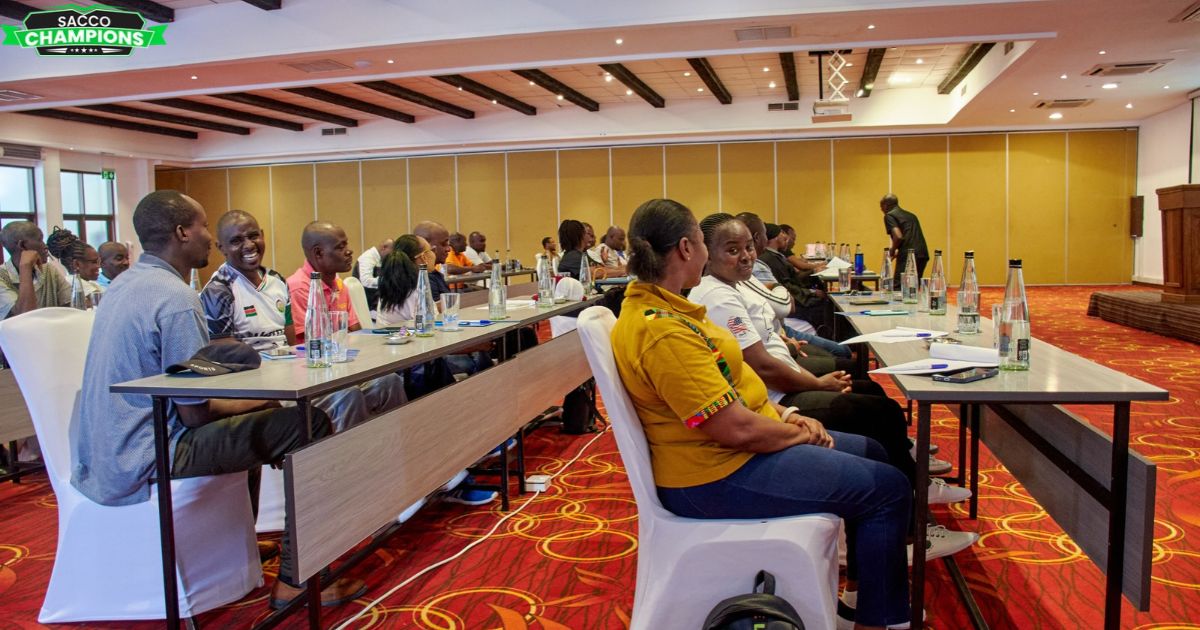

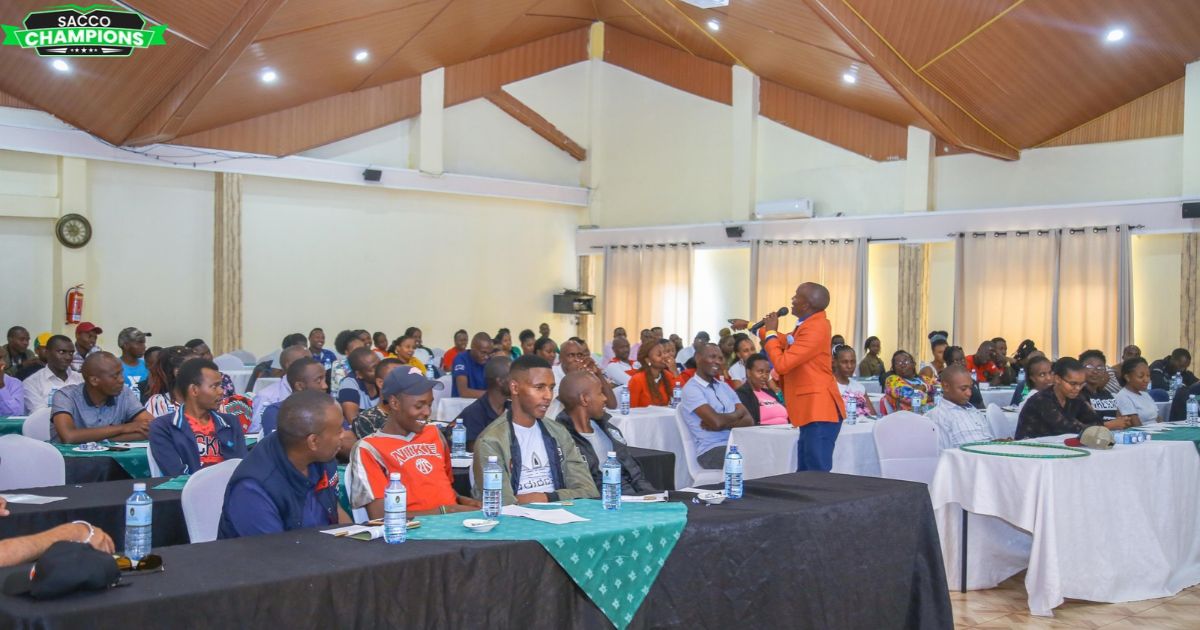

Check out our Documentary
Why work with us
NITA Certified
NITA Certified
Our NITA certification assures Quality and helps you recoup your investment as per their guidelines.
15 YEARS EXPERIENCE
10 YEARS EXPERIENCE
We have qualified and reliable trainers with more than 10 years’ experience. Track record in training different organizations.
POST FOLLOW-UP SESSIONS
POST FOLLOW-UP SESSIONS
The learning process continues long after the training is over. We assist to measure the effectiveness of each training
ONE STOP SHOP
ONE STOP SHOP
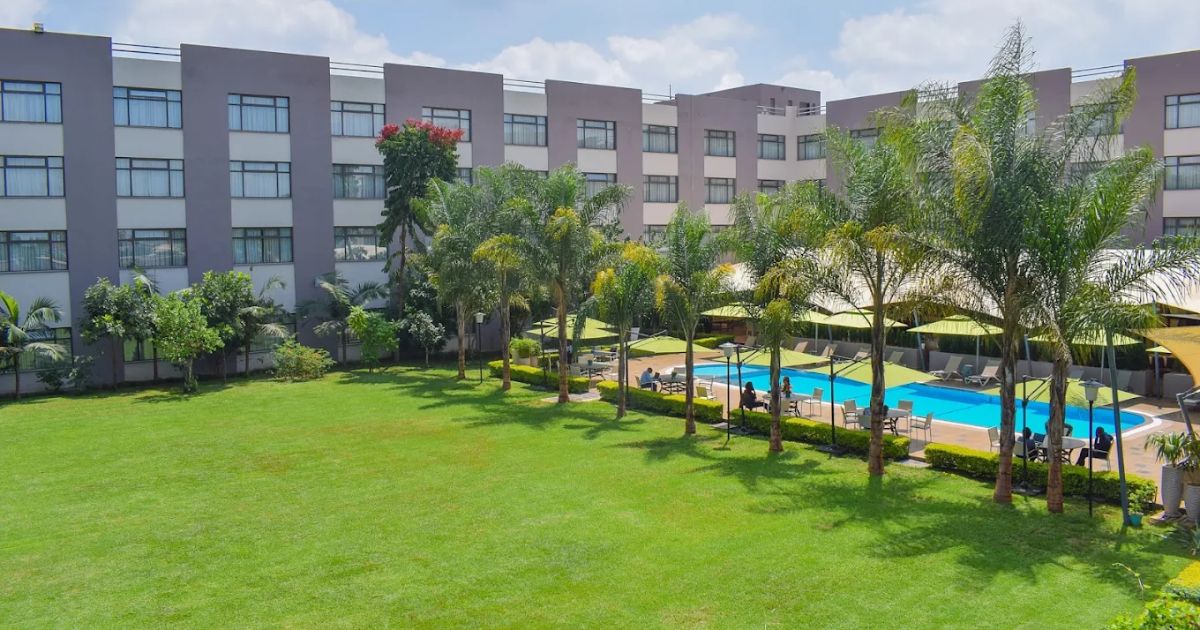
One stop shop with qualified trainers, corporate transport, venue booking and exciting outdoor activities.
On-Going & Up-coming Training Programmes



What Our Clients Say About Us…


Latest News and Articles
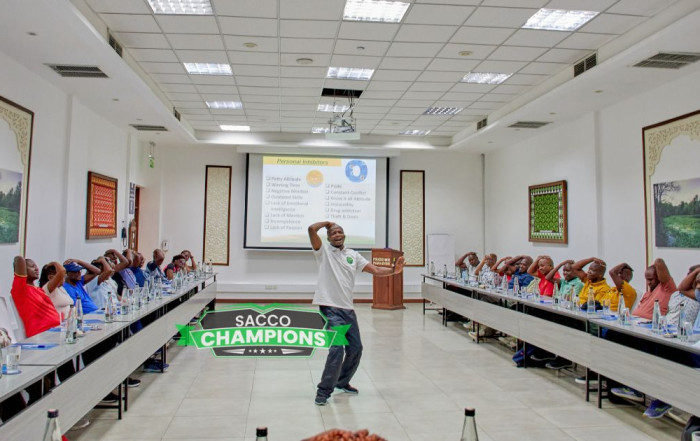
SACCO Staff Motivation Talks in Kenya: Programs, Topics and Booking Guide.
A tired, stressed SACCO team cannot serve members well, however good the systems are. Your staff handle member savings, loan queries, and daily pressure, and that takes energy. SACCO Staff Motivation Talks in Kenya help
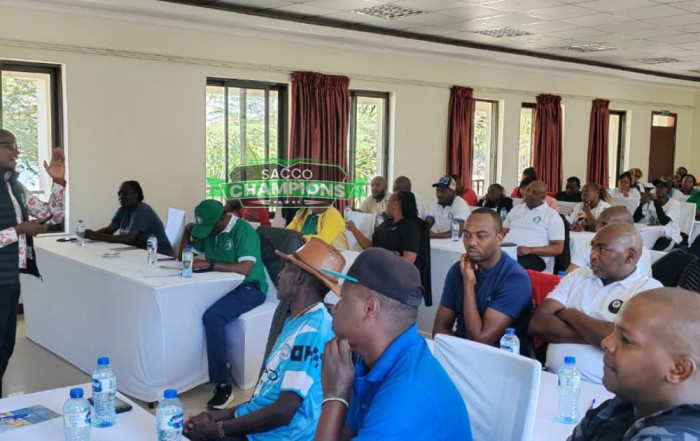
Pre-Retirement Training in Kenya for SACCO Members: Financial Planning and Retirement Readiness
Many people work for 30 years, yet they plan for retirement only in the last 30 days. That gap causes stress, bad money choices and fear of the future. Pre-Retirement Training in Kenya helps SACCO
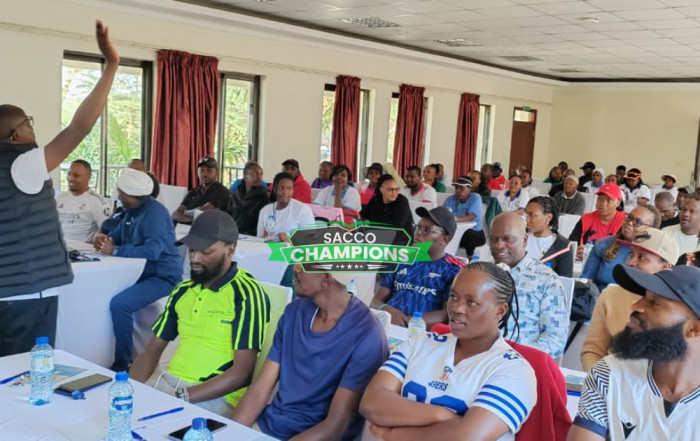
How Much Does SACCO Training Cost in Kenya? A Practical Budget Guide.
Every SACCO board wants skilled leaders and confident staff, but many stop at one big question: how much will it cost? Knowing the SACCO Training Cost in Kenya helps you plan early, avoid surprises and

SACCO Training Venues Near Nairobi: Hotels and Conference Centres.
A great SACCO training can fail in the wrong room. Poor sound, tight seating or a noisy hall can ruin even the best programme. Choosing the right SACCO Training Venues Near Nairobi helps your board,

SACCO AGM Training in Kenya: A Guide for Delegates.
One vote at the AGM can approve a good budget, or a bad one. Many SACCO delegates walk into the annual general meeting with a thick report in their hands and no clear idea of
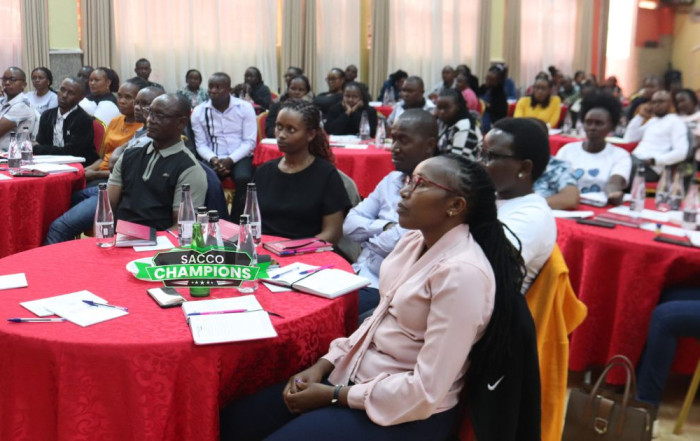
SACCO Anti-Money Laundering Training: AML/CFT, Customer Due Diligence and Suspicious Transaction Reporting.
One missed red flag can cost a SACCO its reputation, its members’ trust and even its license. Criminals look for weak controls, and a SACCO with untrained staff is an easy target. That is why