
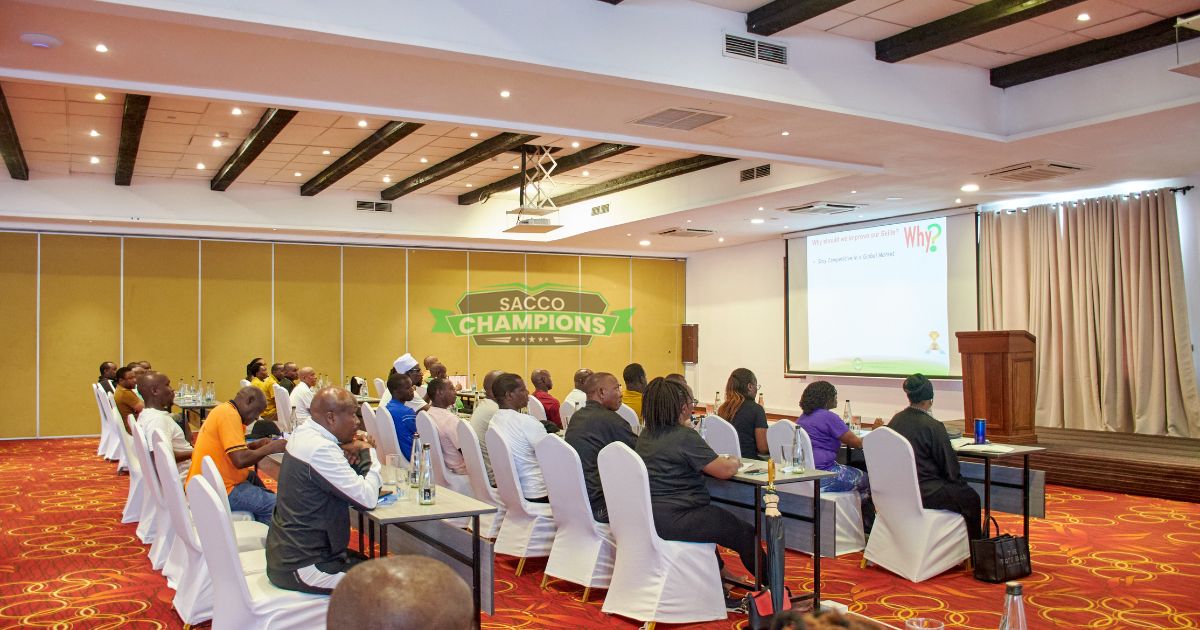
Are your SACCO board members, delegates or management staff struggling to keep up with strict regulatory updates, rising credit risks or member dissatisfaction? In the competitive financial sector, continuous capacity building is no longer optional; it is the foundation of institutional survival and long-term stability. Selecting certified, experienced SACCO Trainers in Kenya is the single most critical decision your leadership team can make to protect member deposits and drive sustainable growth. You can immediately access tailored, SASRA-aligned corporate training modules for your cooperative by partnering with www.saccochampions.co.ke.
The Evolving Landscape of SACCOs in Kenya and the Need for Specialized Training.
The cooperative movement in Kenya is among the vibrant and fastest-growing in Africa. Managing a Savings and Credit Co-operative Society (SACCO) has become far more complex than simply collecting member contributions and issuing basic loans. Today, regulated Deposit-Taking SACCOs (DT-SACCOs) and Non-Deposit Taking SACCOs (NWDT-SACCOs) operate under the vigilant oversight of the Sacco Societies Regulatory Authority (SASRA).
Regulatory bodies demand strict adherence to financial prudential standards, capital adequacy ratios, digital security protocols and robust governance frameworks. When board members or managers lack specialized knowledge in these technical areas, the SACCO faces severe risks, including audit penalties, non-performing loans (NPLs), internal fraud and loss of public confidence.
Generic business trainers often fail to understand the unique operational structures of cooperative societies. Unlike standard limited liability companies, SACCOs operate on democratic member control, fiduciary responsibility to delegates and specialized financial principles governed by the Sacco Societies Act. Hiring professional trainers who specialize exclusively in the Kenyan cooperative sector ensures that your team receives practical, legally compliant and actionable guidance.


5 Essential Qualities to Look for in Qualified SACCO Trainers in Kenya.
Finding the right facilitator requires careful evaluation. Below are the core criteria every SACCO board and CEO must verify before signing a training contract:
┌────────────────────────────────────────────────────────────────────────┐
│                   QUALIFIED SACCO TRAINER CHECKLIST                    │
├────────────────────────────────────────────────────────────────────────┤
│ 1. NITA Accreditation & Compliance Certification                      │
│ 2. Deep Mastery of SASRA Regulations & Prudential Standards            │
│ 3. Specialized Practical Experience in Cooperative Governance          │
│ 4. Tailored, Needs-Based Curriculum Development                        │
│ 5. Proven Track Record & Positive Peer References                     │
└────────────────────────────────────────────────────────────────────────┘
1. NITA Accreditation and Professional Certification.
Always confirm that your training provider is officially registered with the National Industrial Training Authority (NITA). Partnering with NITA-accredited facilitators guarantees that the training meets national quality standards and allows contributing employers to claim training levy reimbursements. Furthermore, facilitators should hold relevant professional certifications in governance, accounting, risk management or law.
2. Deep Mastery of SASRA Regulations and Prudential Standards.
A qualified trainer must possess up-to-date knowledge of SASRA regulations, the Co-operative Societies Act, the Kenya Data Protection Act and Anti-Money Laundering (AML) laws. They must be able to explain complex legal frameworks, such as institutional capital ratios, liquidity management and fit-and-proper leadership declarations, in simple, accessible language.
3. Practical Cooperative Experience.
Theoretical knowledge alone is insufficient. The best facilitators have hands-on experience working inside or consulting for top-performing SACCOs in Kenya. They understand real-world challenges like credit default spikes, board-management role conflicts, AGM politics and member retention struggles.
4. Customization and Pre-Training Needs Assessment.
Avoid trainers who offer generic, off-the-shelf PowerPoint slides. Professional training firms conduct a thorough Training Needs Assessment (TNA) beforehand to understand your institution’s unique operational gaps, strategic plan and audit history.
5. Measurable Learning Methodology and Debriefing.
Effective adult learning relies on interactive engagement rather than passive lectures. Look for facilitators who utilize real case studies of Kenyan SACCOs, mock audits, practical compliance matrices and structured debriefing sessions. You can review comprehensive, practical course structures by visiting www.saccochampions.co.ke.
Core Training Modules Every SACCO Must Prioritize.
To build a resilient cooperative society, training must be delivered across all levels of the organization. A well-structured capacity building program targets four key groups:
┌─────────────────────────────────────────────────────────────────┐
│                    SACCO CAPACITY BUILDING MODEL                │
├──────────────────────────────┬──────────────────────────────────┤
│ Executive Board & Officers   │ Supervisory & Audit Committee    │
│ • Strategic Governance       │ • Internal Financial Controls    │
│ • SASRA Compliance & Risk    │ • Fraud Prevention & IT Audits   │
├──────────────────────────────┼──────────────────────────────────┤
│ Credit Committee & Staff     │ SACCO Delegates & Members        │
│ • Loan Delinquency Control   │ • Grassroots Representation      │
│ • Customer Retention         │ • Ethical AGM Decision-Making    │
└──────────────────────────────┴──────────────────────────────────┘
1. Board of Directors Governance & Strategic Leadership.
The Board sets the strategic direction and holds ultimate fiduciary responsibility for the institution. Specialized board training covers:
- Separation of Powers: Clearly defining the boundary between board oversight and daily CEO operational management to prevent role conflicts.
- Financial Literacy for Directors: Teaching board members how to read financial statements, track non-performing loan ratios and monitor core capital requirements.
- Ethical Leadership & Conflict of Interest: Managing personal interests in procurement, credit approvals and recruitment to protect institutional integrity.
2. Supervisory Committee & Audit Training.
The Supervisory Committee acts as the internal watchdog for members. Training for this critical organ focuses on:
- Reviewing internal control systems and spot-checking credit files.
- Monitoring compliance with SASRA reporting schedules.
- Understanding cyber risk, digital transaction tracking and internal fraud prevention.
3. Credit Committee and Credit Officers Performance Training.
Loan interest accounts for the majority of a SACCO’s total revenue. Training frontline credit staff and committee members helps protect this cash flow by covering:
- Modern Credit Appraisal: Evaluating borrower capacity, collateral documentation and character beyond basic payslip analysis.
- Delinquency Management: Implementing early warning tracking systems to recover arrears before loans become non-performing.
- Product Innovation: Designing competitive loan products tailored to changing member needs and market trends.
4. SACCO Delegates Training & Education.
Delegates serve as the vital communication bridge between general members and the Board of Directors. Empowering delegates ensures smooth Annual General Meetings (AGMs) and constructive policy approval. Key topics include:
- Understanding the roles and legal limits of delegates versus board members.
- Financial reporting basics to help delegates explain SACCO performance to members.
- Member education strategies to boost share capital mobilization and loan repayment cultures.
Step-by-Step Guide to Hiring SACCO Trainers in Kenya.
Selecting your corporate facilitator should follow a structured, professional process to guarantee maximum return on investment:
| Step | Selection Stage | Key Action Item | Primary Goal |
| Step 1 | Internal Needs Assessment | Identify specific operational weaknesses, audit queries or strategic goals. | Define clear training objectives. |
| Step 2 | Shortlisting Providers | Search for NITA-certified, SACCO-specialized training firms in Kenya. | Filter out generic business trainers. |
| Step 3 | Proposal Review | Examine course outlines, facilitator CVs and proposed learning methodologies. | Ensure alignment with SASRA guidelines. |
| Step 4 | Reference Verification | Contact other SACCO CEOs or HR managers who have hired the trainers. | Confirm real-world impact and reliability. |
| Step 5 | Customization Session | Hold a pre-training alignment call with the lead trainer. | Tailor case studies to your SACCO’s context. |
| Step 6 | Execution & Evaluation | Conduct the training and distribute post-session evaluation forms. | Measure knowledge gain and application. |
Understanding SACCO Training Costs and Budgeting.
When budgeting for corporate capacity building, SACCO leaders often ask about exact course costs. It is important to note that professional training fees in Kenya are dynamic and variable rather than fixed. Costs fluctuate naturally depending on several customized factors:
- Duration of the Program: A half-day executive briefing requires a different investment scale compared to an intensive 3-day out-of-town retreat.
- Target Audience and Group Size: Training a 9-member Board involves different logistics than facilitating a workshop for 200 SACCO delegates.
- Venue and Location Logistics: Hosting a session at your SACCO’s internal boardroom differs in cost from reserving dedicated conference grounds in Naivasha, Mombasa or Nairobi.
- Level of Customization: Tailored policy reviews and mock SASRA audit simulations require deeper consultant preparation than general governance lectures.
Instead of focusing solely on upfront costs, evaluate the long-term financial returns. Preventing a single bad credit decision or avoiding SASRA compliance fines easily covers the investment in expert training. To receive a transparent, variable quotation tailored to your specific group size and budget, reach out to www.saccochampions.co.ke.
10 Frequently Asked Questions (FAQs) About SACCO Trainers in Kenya.
1. Why is specialized training essential for SACCOs in Kenya?
SACCOs operate under unique legal frameworks, SASRA prudential rules, and cooperative principles. Specialized training ensures that leaders and staff understand how to remain legally compliant while protecting member funds.
2. How do I verify if SACCO Trainers in Kenya are qualified?
Check for NITA accreditation, professional credentials in law or accounting, practical consulting experience within the cooperative sector and verifiable references from other regulated SACCOs.
3. How often should a SACCO Board of Directors undergo training?
Board members should complete a comprehensive induction course immediately after being elected. In addition, continuous professional development and SASRA compliance updates should occur at least once or twice a year.
4. What is the difference between Board and Delegate training?
Board training focuses on strategic leadership, fiduciary liability, policy approval and SASRA regulatory oversight. Delegate training focuses on member representation, grassroots communication, AGM governance and policy understanding.
5. Can SACCO training costs be claimed back through NITA?
Yes. If your SACCO is registered and up to date with its NITA training levy contributions, you can claim reimbursements when you hire NITA-certified trainers.
6. What core modules should be included in SASRA compliance training?
Essential modules include capital adequacy ratios, non-performing loan management, Anti-Money Laundering (AML/KYC) compliance, digital technology governance and internal audit oversight.
7. How long do SACCO training programs typically last?
Programs range from 1-day high-impact workshops and 2-day executive board retreats to customized multi-week modular certificate courses.
8. Do trainers assist with internal policy development?
Yes. Top-tier training providers like www.saccochampions.co.ke review and help align your SACCO’s credit, HR, risk management and IT policies with updated SASRA guidelines.
9. Is virtual or online training effective for SACCO leaders?
Virtual sessions work well for short regulatory updates or staff refresher courses. However, in-person, interactive retreats remain the most effective format for strategic board alignment and delegate bonding.
10. How do we book professional facilitators for our upcoming retreat?
You can request a customized proposal and book NITA-certified facilitators directly by visiting www.saccochampions.co.ke.
Elevate Your SACCO’s Leadership and Governance Today.
Investing in competent, accredited SACCO Trainers in Kenya is the single most effective strategy to safeguard your cooperative’s financial future, ensure full SASRA compliance and maintain member trust. By equipping your board, committees, delegates and staff with practical skills, you build an institution capable of navigating market changes and driving sustainable growth.
Do not wait for audit flags or governance crises to highlight knowledge gaps in your organization. Take a proactive step toward operational excellence today. Partner with proven cooperative facilitators who understand the intricacies of the Kenyan SACCO movement. Visit www.saccochampions.co.ke now to request a tailored training proposal and schedule your next corporate capacity building session!