
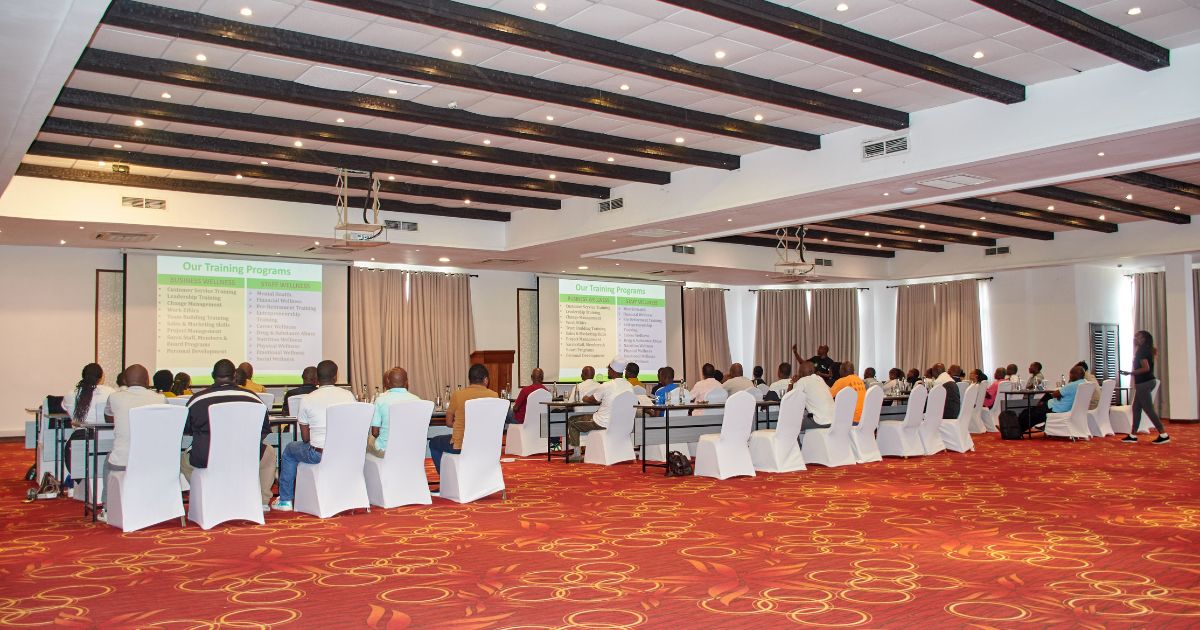
Did you know that a well-trained supervisory committee is the strongest safeguard against financial risks in a SACCO? SACCO Supervisory Committee Training in Kenya equips committee members with the knowledge and skills needed to strengthen governance, enhance accountability, and protect members’ savings. With increasing regulatory requirements and operational risks, continuous training is essential for effective oversight. By partnering with www.saccochampions.co.ke, your committee can confidently monitor financial performance, ensure SASRA compliance and support the long-term success of your SACCO.
Understanding the Structure of SACCO Governance in Kenya.
To truly appreciate the need for rigorous training, it is crucial to understand how a cooperative society operates. Strong internal governance is the backbone of every successful SACCO in Kenya. SACCO governance is typically divided into three distinct and independent arms:
- The Board of Directors: They are responsible for strategic planning, high-level policy formulation and setting the overall direction of the institution.
- The Management Team: Led by the Chief Executive Officer (CEO), this team executes the policies set by the board and handles the daily administrative and financial operations.
- The Supervisory Committee: Acting as the primary watchdog of the SACCO, this independent body oversees both the board of directors and the management team to ensure everyone plays by the rules.
Unlike the board of directors, the supervisory committee does not involve itself in daily management. Instead, they provide independent oversight to guarantee that the institution operates within the law and vigorously protects the members’ wealth.
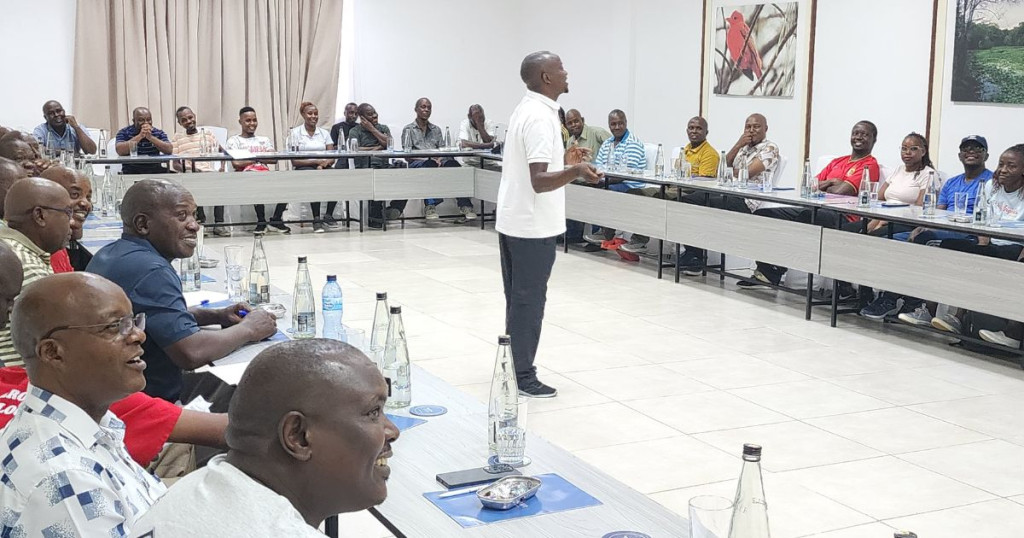
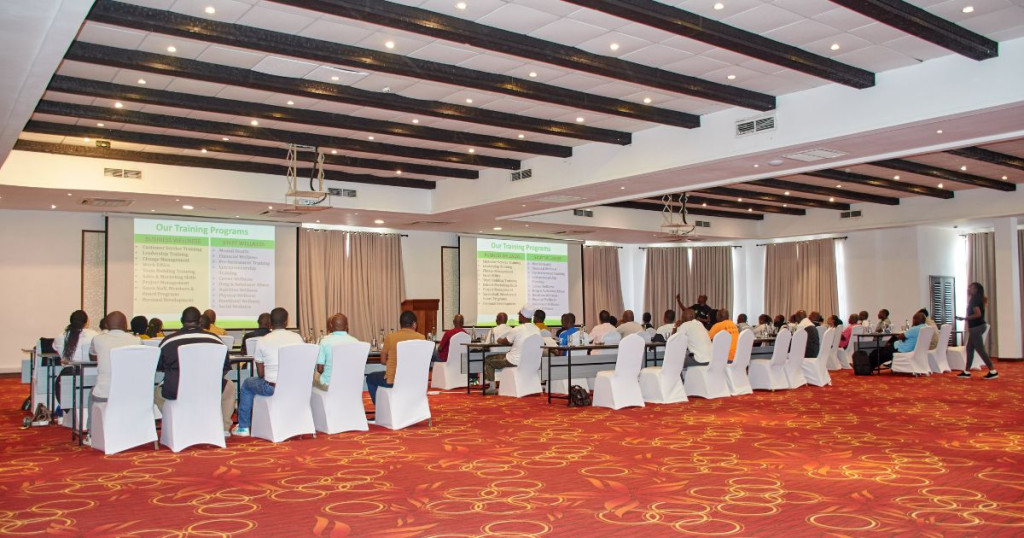
Why is SACCO Supervisory Committee Training in Kenya Essential?
Many elected committee members are highly trusted and popular among the general membership, but they may lack a technical accounting or legal background. Without proper skills, committee members may struggle to interpret complex financial statements or spot early signs of operational failure. Here is why investing in professional training is a top priority:
- Bridging the Knowledge Gap: Training equips members with the necessary financial literacy to read balance sheets, interpret income statements and ask management the right questions.
- Protecting Member Deposits: A properly trained committee can spot risky lending habits and liquidity issues before they lead to massive loan defaults.
- Ensuring Legal Compliance: Ignorance of the law is no defense. Continuous education ensures that the committee understands current cooperative laws and regulatory guidelines, protecting the SACCO from heavy regulatory penalties.
- Holding Management Accountable: Management teams are significantly less likely to bend the rules when they know the supervisory committee is highly trained and knows exactly where to look for irregularities.
Core Roles of the Supervisory Committee.
The roles of this committee go far beyond merely attending scheduled meetings. They act as the eyes and ears of the general membership. Through extensive SACCO Supervisory Committee Training in Kenya, members learn to master the following primary roles:
1. The Watchdog Role.
The primary role is independent oversight. They act as the principal internal auditors of the cooperative, ensuring that all financial transactions are legitimate, accurately recorded and strictly aligned with the approved budget. They safeguard the institution against mismanagement, insider collusion and reckless spending.
2. The Advisory Role.
A thoroughly trained committee does not just point out errors and assign blame; they offer constructive, data-driven advice. By evaluating internal controls and long-term financial trends, they advise the board of directors on potential risks and recommend practical improvements to existing policies.
3. The Mediation Role.
They act as a vital bridge between the management and the general membership. The committee is often responsible for handling member grievances, objectively addressing complaints regarding delayed loans, incorrect dividend payouts or poor customer service.
Key Responsibilities of the Oversight Team.
To execute their roles effectively, committee members have a set of highly specific duties. A comprehensive training program from www.saccochampions.co.ke breaks down these complex responsibilities into actionable steps.
1. Reviewing Internal Controls.
Internal controls are the established policies and procedures designed to protect SACCO assets. The supervisory committee must know how to review these controls to confirm they are working perfectly. They must frequently evaluate whether the management is strictly following the approved policies or bypassing them.
2. Evaluating Financial Health and Liquidity.
The committee is tasked with monitoring the overall financial stability of the institution. This involves evaluating cash flow, liquidity levels and profitability to ensure the SACCO can meet its daily obligations. A stable SACCO must always have enough cash to meet member withdrawal requests and disburse approved loans on time.
3. Overseeing Credit Risk and Non-Performing Loans.
Committee members learn how to review the non-performing loans (NPL) ratio and analyze the effectiveness of the credit committee. They monitor credit risk by regularly reviewing the SACCO’s loan aging schedules and ensuring that the credit policy is strictly followed during loan approvals. They must also verify that the collateral used for big loans is valued correctly and legally secured.
4. Presenting the AGM Report.
During the Annual General Meeting (AGM), the committee has a strict statutory duty to present an independent, factual report on the true health of the SACCO directly to the members. This report must be transparent, highly objective,and completely free from the board’s influence.
5. Strengthening Internal Audits.
Training helps the committee understand basic modern accounting rules and interpret complex audit reports. Furthermore, they track audit implementation. Trained leaders create follow-up schedules to ensure that corrective recommendations made by the internal auditor in January are actually implemented by March, rather than repeating the same mistakes year after year.
Mastering SASRA Regulations and Statutory Compliance.
In Kenya, the Sacco Societies Regulatory Authority (SASRA) is the government’s principal agency responsible for the supervision and regulation of SACCO Societies. SASRA enforces strict compliance rules to guarantee financial stability and protect public funds.
Through expert SACCO Supervisory Committee Training in Kenya, oversight teams learn how to confidently navigate these strict regulatory frameworks. Key compliance areas include:
- Statutory Liquidity Ratios: Ensuring the SACCO always has enough liquid cash available daily to meet member withdrawal requests without resorting to expensive emergency borrowing.
- Capital Adequacy: This is the financial cushion a SACCO must maintain to protect member deposits if borrowers default. The committee must monitor this ratio constantly.
- Timely Financial Reporting: SASRA requires the strict and timely submission of audited financial statements. Training helps committee members understand statutory reporting deadlines to avoid regulatory penalties.
- Strict KYC Compliance: Ensuring the SACCO strictly follows Know Your Customer (KYC) guidelines to prevent identity theft, fake loan applications and illegal money laundering activities.
Fraud Prevention and Risk Management Strategies.
Financial institutions are prime targets for internal and external fraud, making risk management a critical topic in any capacity-building seminar. Common fraud schemes in SACCOs include loan fraud (using fake documents or ghost members), cash suppression (delaying deposit records) and expense inflation (using fake procurement invoices). A well-trained committee prevents fraud by deploying several powerful strategies:
1. Enforcing Separation of Duties.
A fundamental rule of accounting and risk management is that the person who initiates a payment must never be the same person who approves or releases the funds. The supervisory committee ensures this dual-approval system is actively functioning.
2. Conducting Surprise Cash Counts.
To prevent cash theft and manipulation, the committee should conduct unannounced spot checks on petty cash and teller tills. This ensures that the physical cash in the building perfectly matches the digital records in the core banking system.
3. Regular IT and Cybersecurity Audits.
As financial services move online, cyber threats increase exponentially. The committee must push for frequent cybersecurity reviews to ensure that hackers or rogue employees cannot manipulate the core banking system to steal funds.
4. Implementing Whistleblowing Mechanisms.
An effective fraud prevention strategy must include a safe, anonymous whistleblowing system. Training teaches the committee how to set up, monitor and protect channels where staff and members can report suspicious activities without fear of victimization.
Best Practices for a Highly Effective Supervisory Committee.
To stand out and drive real value, oversight teams must adopt industry best practices. Continuous learning through www.saccochampions.co.ke helps cultivate these winning governance habits:
- Protecting Auditor Independence: A trained committee acts as a shield for the internal auditor. They ensure the auditor can report facts truthfully without fear or intimidation from the board or the CEO.
- Continuous Professional Development: The financial sector evolves rapidly. Members should attend continuous professional development and compliance updates at least once every year to stay sharp on changing regulations and evolving fraud tactics.
- Maintaining Strict Objectivity: Committee members must avoid conflicts of interest. They should never use their position to push for faster approval of their personal loans or influence procurement decisions.
- Data-Driven Decision Making: Highly effective committees rely on factual data, internal audit reports, and statutory ratios rather than office rumors or internal politics.
- Collaborative Oversight: While they are the watchdogs, they should maintain a professional and respectful relationship with the management team. The ultimate goal is to build a stronger institution, not to engage in endless witch hunts.
Common Mistakes Committees Must Avoid.
Even with the best intentions, committees can fall into operational traps if they are not well guided. Some of the common mistakes to avoid include:
- Overstepping Boundaries: Trying to directly manage the SACCO staff or interfere with daily operations, which is the mandate of the CEO and management team.
- Ignoring Follow-Ups: Reading the internal audit report but failing to enforce the recommended corrective actions.
- Operating in Isolation: Failing to communicate effectively with the board of directors, creating an atmosphere of hostility rather than collaborative governance.
Why Choose www.saccochampions.co.ke for SACCO Supervisory Committee Training in Kenya?
Selecting the right training provider determines how effectively your committee will perform its duties. At www.saccochampions.co.ke, we deliver expert-led programs designed to help your team efficiently master internal audit, risk management and fraud prevention.
We utilize a highly practical learning approach. Our interactive sessions involve real-world case studies, group discussions and practical audit simulations to ensure that the knowledge sticks and can be applied immediately. Furthermore, every committee member graduates with custom templates, audit review checklists and compliance roadmaps they can start using the very next morning.
Conclusion: SACCO Supervisory Committee Training in Kenya.
In conclusion, a SACCO is only as resilient as its governance structures. Undertaking SACCO Supervisory Committee Training in Kenya is not just a regulatory formality; it is a strategic and vital investment in the long-term stability, growth, and security of your members’ hard-earned wealth.
Oversight team should be equipped with the right technical skills in financial analysis, internal controls and regulatory compliance. In turn you eliminate operational blind spots and drastically reduce the risk of fraud. Do not wait for an audit crisis or a regulatory penalty to realize the value of a competent oversight team. Take proactive steps today to safeguard your institution’s future. For world-class, tailored training programs that yield immediate results, visit www.saccochampions.co.ke and book a transformative session for your committee.
10 Frequently Asked Questions (FAQs) About SACCO Supervisory Committee Training in Kenya.
1. What is the main role of a SACCO supervisory committee in Kenya?
The primary role is independent oversight. They monitor the SACCO’s financial operations, review internal controls, ensure adherence to SASRA regulations and report their factual findings directly to the members during the Annual General Meeting.
2. Why is SACCO Supervisory Committee Training in Kenya important?
Training is vital because it bridges the knowledge gap. It equips committee members with the technical skills to read complex financial statements, evaluate internal controls and spot operational risks before they cause financial losses. To book a professional session, visit www.saccochampions.co.ke.
3. How often should a SACCO supervisory committee undergo training?
Members should receive comprehensive induction training immediately after being elected. Afterward, they must attend continuous professional development and compliance updates at least once every year to stay sharp and updated on changing financial regulations.
4. How does the supervisory committee help in fraud prevention?
They prevent fraud by actively reviewing internal audit reports, verifying that dual-approval systems are functioning, monitoring large transactions and ensuring the management strictly follows the approved lending policies.
5. Can a person without an accounting background serve on the supervisory committee?
Yes, you do not need to be a Certified Public Accountant (CPA) to serve on the committee. However, you must possess basic financial literacy, pass a strict integrity test and be a member in good standing. Specialized training from www.saccochampions.co.ke then provides the necessary technical skills.
6. Can a supervisory committee dismiss a SACCO board member or the CEO?
No, the supervisory committee does not have direct firing power. Their strict mandate is to investigate, document facts and report their findings to the board of directors or directly to the general membership at the AGM, who then hold the supreme power to vote on dismissals.
7. How does the committee ensure SASRA compliance?
They ensure compliance by monitoring statutory liquidity ratios, verifying capital adequacy, ensuring strict Know Your Customer (KYC) compliance and confirming the timely submission of audited financial statements to the regulator.
8. What are the clear signs of weak internal controls in a SACCO?
Signs of weak internal controls include frequent cash variances, lack of separation of duties (e.g., the same person posting and approving transactions), delayed financial reconciliations, high numbers of unexplained system corrections and recurrent internal audit queries.
9. How does the supervisory committee protect the internal auditor?
A well-trained committee protects the internal auditor’s independence by acting as a shield. They ensure the auditor can work and report facts truthfully without fear of intimidation or victimization from the board of directors or the CEO.
10. Where can we get the best SACCO governance training in Kenya?
For the most comprehensive, highly practical, and expert-led training programs, you should partner with www.saccochampions.co.ke. They provide customized compliance roadmaps, audit checklists and real-world case studies to empower your oversight team.