
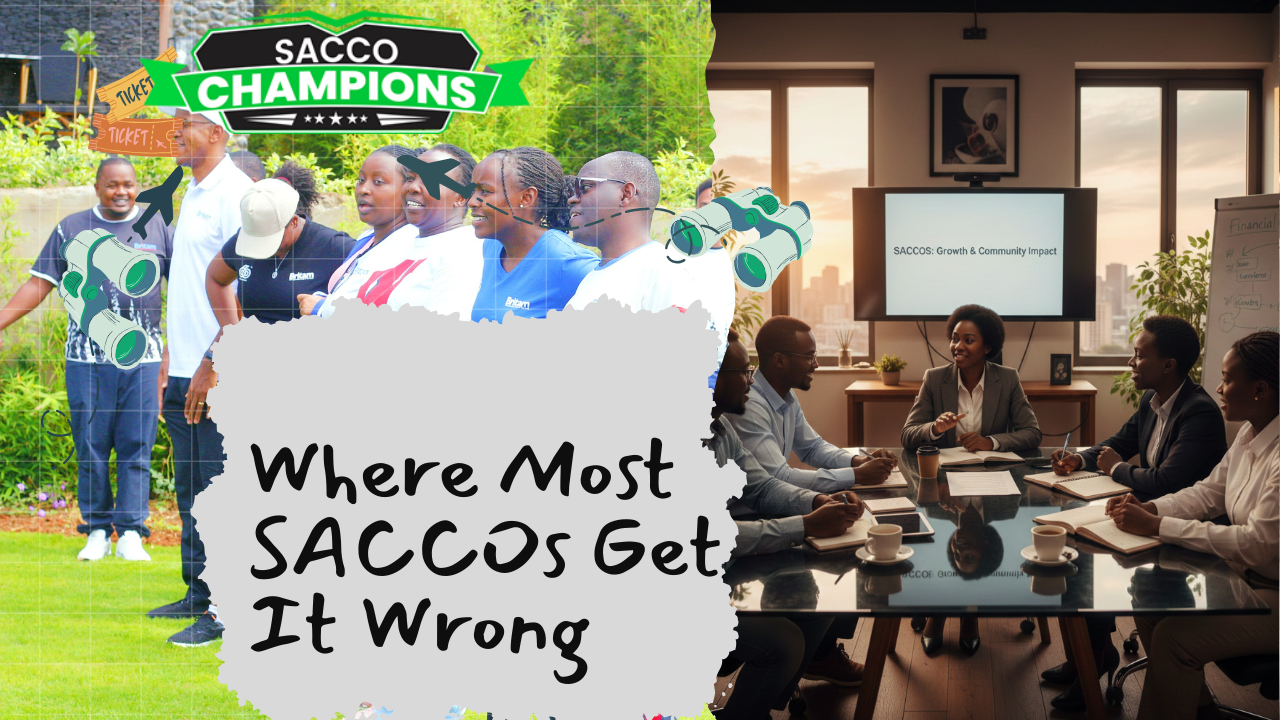
Many SACCOs face recurring challenges such as weak performance, internal conflicts, regulatory issues, and declining member trust. In most cases, these problems are not caused by the economy or competition but by confusion between governance and management. Although both functions are essential, failing to clearly separate them creates inefficiency and undermines institutional stability.
Understanding Governance in a SACCO
Governance refers to the role played by the board of directors, who are elected by members to provide oversight and strategic direction. The board is responsible for setting the vision, approving policies, ensuring regulatory compliance, and safeguarding members’ interests. Its focus should always be long-term sustainability, accountability, and alignment with the SACCO’s mission.
Good governance does not involve running daily operations. Instead, it ensures that proper systems, controls, and leadership structures are in place for the SACCO to operate effectively.
Understanding Management in a SACCO
Management is responsible for the day-to-day running of the SACCO. This includes implementing board-approved policies, managing staff, processing loans, handling finances, and delivering services to members. Management translates strategy into action and ensures operational efficiency.
A competent management team focuses on performance, service quality, and operational discipline while reporting regularly to the board on progress and challenges.
Where Most SACCOs Get It Wrong
The most common mistake occurs when boards interfere with operational matters or when management assumes strategic authority without board approval. Board members may involve themselves in staff supervision, loan approvals, or procurement decisions, often with good intentions. However, this interference weakens management authority, slows operations, and creates confusion among staff.
On the other hand, management may overstep by making major strategic decisions, changing policies, or committing the SACCO to financial obligations without proper board oversight. This erodes accountability and exposes the SACCO to governance and compliance risks.Check out :SaccoChampions.co.ke to learn more about SACCO innovation and training opportunities, including anti-money laundering training.
The Impact of Role Confusion
When governance and management roles overlap, SACCOs experience frequent conflicts, poor decision-making, and leadership tension. Meetings become confrontational, trust breaks down, and attention shifts away from members’ needs. Over time, this confusion affects financial performance, regulatory compliance, and member confidence.
Role confusion also discourages professional staff, as unclear authority lines make it difficult to perform effectively or take responsibility for outcomes.
How Successful SACCOs Get It Right
Well-performing SACCOs clearly separate governance from management while encouraging collaboration and mutual respect. The board focuses on vision, strategy, policy, and oversight, while management focuses on execution, operations, and performance. Communication between the two is structured, transparent, and professional.
These SACCOs also document roles clearly in governance manuals, policies, and job descriptions, reducing ambiguity and preventing unnecessary interference.For a detailed understanding of how SACCOs should report and manage finances, explore this guide: Sacco Financial Management and Reporting.
The Role of Training and Capacity Building
Continuous training is critical in strengthening governance and management effectiveness. Board members need education on corporate governance, leadership, and regulatory requirements, while management requires ongoing skills development in operations, finance, and service delivery. Training helps leaders understand boundaries, improve decision-making, and work together more effectively.
Conclusion
Governance and management are not competing forces but complementary pillars of a successful SACCO. When each understands and respects its role, the SACCO becomes more stable, accountable, and member-focused. SACCOs that fail to strike this balance often struggle with inefficiency and conflict, while those that get it right build strong institutions capable of sustainable growth. Clarifying and respecting the distinction between governance and management is therefore essential for long-term SACCO success.Visit our website :https://saccochampions.co.ke/ to learn more about SACCOs, their operations, and available training programs that empower both members and leaders to thrive in the digital age. You can also check our main website, Eagles Management Consultant, for more insights and updates on team building and wellness programs.
Enquire/Request Quote Here