
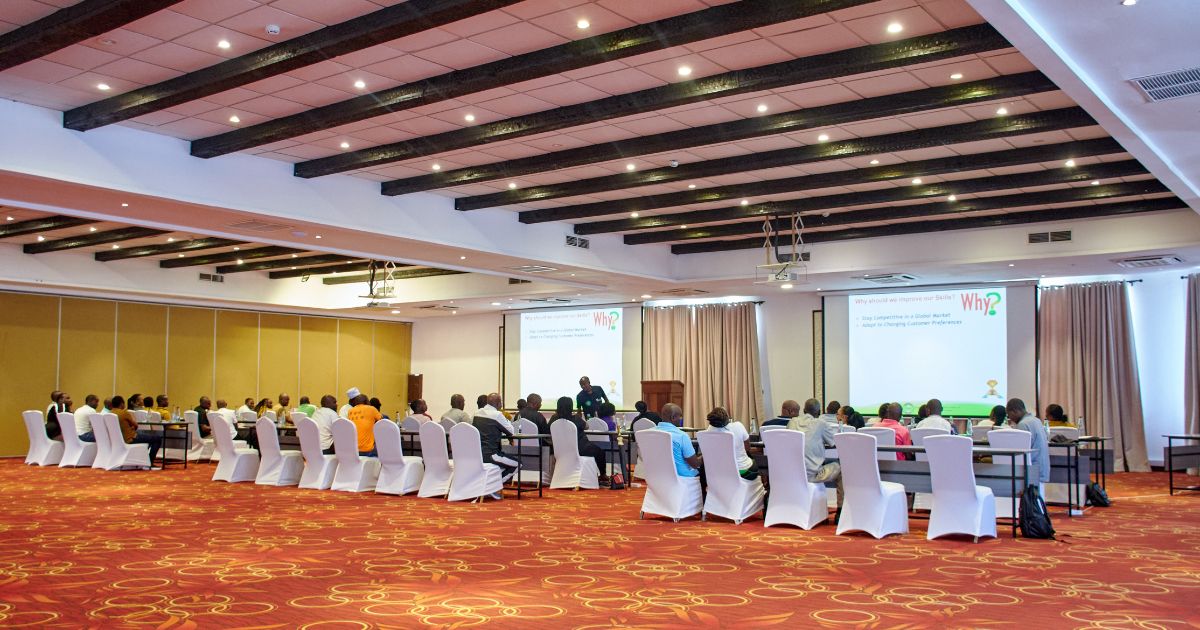
SACCO Governance Mistakes in Kenya can significantly affect financial performance, member confidence and long-term sustainability. Strong governance remains one of the most important pillars of a successful SACCO. When board members fail to provide effective oversight, the organization becomes vulnerable to financial losses, compliance issues and operational inefficiencies.
As SACCOs continue to grow in Kenya, boards must strengthen governance practices to protect member savings and ensure sustainable growth. Understanding common governance mistakes can help SACCO leaders make better decisions and improve organizational performance. For professional SACCO governance training and consultancy services, visit www.saccochampions.co.ke.
Why Good Governance Matters in SACCOs.
Effective SACCO governance promotes accountability, transparency, and responsible decision-making. It also ensures that the board, management and supervisory committees work together to achieve organizational goals.
Benefits of strong governance include:
- Improved financial performance.
- Better risk management.
- Increased member trust.
- Stronger regulatory compliance.
- Sustainable organizational growth.
- Enhanced accountability.
- Better strategic planning.
Therefore, SACCO boards must prioritize good governance practices to remain competitive and financially stable.

SACCO Governance Mistakes in Kenya.
1. Lack of Clear Roles and Responsibilities.
One of the most common SACCO Governance Mistakes in Kenya is failing to define the roles of board members, management and committees. When responsibilities overlap, confusion often develops within the organization.
Board members should focus on governance and oversight, while management handles daily operations. Clear role separation improves accountability and decision-making.
To avoid this mistake:
- Develop clear governance structures.
- Define board responsibilities.
- Establish management accountability.
- Regularly review governance policies.
Consequently, the SACCO operates more efficiently and effectively.
2. Weak Financial Oversight.
Financial oversight is a critical responsibility of every SACCO board. Unfortunately, some boards fail to monitor financial performance regularly, leading to poor financial management.
Weak oversight can result in:
- Poor budgeting.
- Increased operational costs.
- Fraud risks.
- Cash flow problems.
- Poor investment decisions.
Board members should review financial reports consistently and ensure proper internal controls are in place. Additionally, financial literacy training can help directors make informed decisions.
3. Poor Strategic Planning.
Many SACCOs struggle because their boards focus only on short-term issues. Without a clear strategy, organizations often fail to achieve sustainable growth.
Effective strategic planning helps SACCOs:
- Set long-term goals.
- Identify growth opportunities.
- Improve member services.
- Strengthen financial performance.
- Manage future risks.
Therefore, boards should actively participate in developing and monitoring strategic plans.
4. Inadequate Risk Management Practices.
Risk management is essential for protecting member funds and organizational assets. However, many SACCO boards underestimate the importance of identifying and managing risks.
Common risks include:
- Credit risk.
- Operational risk.
- Compliance risk.
- Cybersecurity threats.
- Liquidity risk.
Strong risk management frameworks help organizations respond effectively to challenges while protecting financial stability.
5. Failure to Comply with Regulations.
Regulatory compliance remains a major governance responsibility. Failure to comply with SACCO regulations can result in penalties, reputational damage and operational disruptions.
Board members should stay informed about:
- SACCO regulatory requirements.
- Governance standards.
- Financial reporting obligations.
- Data protection regulations.
- Anti-money laundering requirements.
Moreover, regular compliance reviews help prevent costly violations.
6. Lack of Board Training and Development.
Board members cannot provide effective leadership without the necessary knowledge and skills. Unfortunately, some SACCOs neglect continuous board development.
Professional training helps directors understand:
- Corporate governance principles.
- Financial management.
- Strategic leadership.
- Risk management.
- Regulatory compliance.
As a result, trained board members make better decisions that support organizational growth.
7. Poor Communication with Members.
Member trust is essential for SACCO success. Boards that fail to communicate openly with members often create uncertainty and dissatisfaction.
Effective communication should include:
- Regular member updates.
- Annual general meetings.
- Financial performance reports.
- Strategic progress updates.
- Member education programs.
Consequently, transparency strengthens member confidence and loyalty.
8. Conflicts of Interest in Decision-Making.
Conflicts of interest can undermine governance and damage organizational credibility. Board members must always act in the best interests of the SACCO rather than personal interests.
To manage conflicts of interest:
- Establish clear governance policies.
- Require conflict disclosures.
- Maintain ethical decision-making standards.
- Document board decisions properly.
Strong ethical leadership supports transparency and accountability.
9. Failure to Monitor Management Performance.
Boards are responsible for overseeing management performance. However, some boards become too involved in daily operations while others provide little oversight.
Effective board oversight includes:
- Setting performance targets.
- Reviewing management reports.
- Monitoring key performance indicators.
- Evaluating strategic progress.
Therefore, balanced oversight improves organizational effectiveness.
10. Ignoring Technology and Digital Transformation
Technology is transforming the SACCO sector. Boards that fail to embrace digital solutions risk losing competitiveness and operational efficiency.
Digital transformation can improve:
- Member service delivery.
- Financial reporting.
- Risk management.
- Operational efficiency.
- Data security.
As a result, technology investments can support long-term growth and member satisfaction.
Best Practices for Strong SACCO Governance.
To improve governance and financial performance, SACCO boards should focus on:
- Board training and capacity building.
- Effective risk management.
- Strategic planning.
- Regulatory compliance.
- Financial oversight.
- Member engagement.
- Ethical leadership.
- Performance monitoring.
These practices help create stronger and more sustainable SACCOs.
How Good Governance Improves Financial Performance.
Strong governance directly influences financial success. Organizations with effective governance structures often experience better financial outcomes because they make informed decisions and manage risks effectively.
Good governance contributes to:
- Increased profitability.
- Improved loan portfolio quality.
- Better member retention.
- Stronger operational efficiency.
- Sustainable growth.
Therefore, investing in governance is an investment in long-term financial performance.
Conclusion: SACCO Governance Mistakes in Kenya.
SACCO Governance Mistakes in Kenya can have serious consequences for financial stability, member confidence and organizational growth. Boards must avoid weak financial oversight, poor strategic planning, inadequate risk management and governance failures that hinder performance.
By strengthening governance practices, investing in board training, and maintaining transparency, SACCOs can achieve sustainable growth and improved financial results. For professional SACCO governance training, board development and consultancy services, visit www.saccochampions.co.ke.
Frequently Asked Questions (FAQs).
1. What are the most common SACCO Governance Mistakes in Kenya?
Common mistakes include poor financial oversight, weak strategic planning, inadequate risk management, lack of board training and failure to comply with regulations.
2. Why is governance important in SACCOs?
Governance promotes accountability, transparency, financial stability and sustainable organizational growth.
3. How can SACCO boards improve financial performance?
Boards can improve performance through effective oversight, strategic planning, risk management and strong governance practices.
4. Why should SACCO board members receive governance training?
Training helps board members understand governance responsibilities, compliance requirements, financial management and leadership skills.
5. Where can SACCO boards get governance training in Kenya?
SACCO boards can access professional governance training and consultancy services through www.saccochampions.co.ke.