
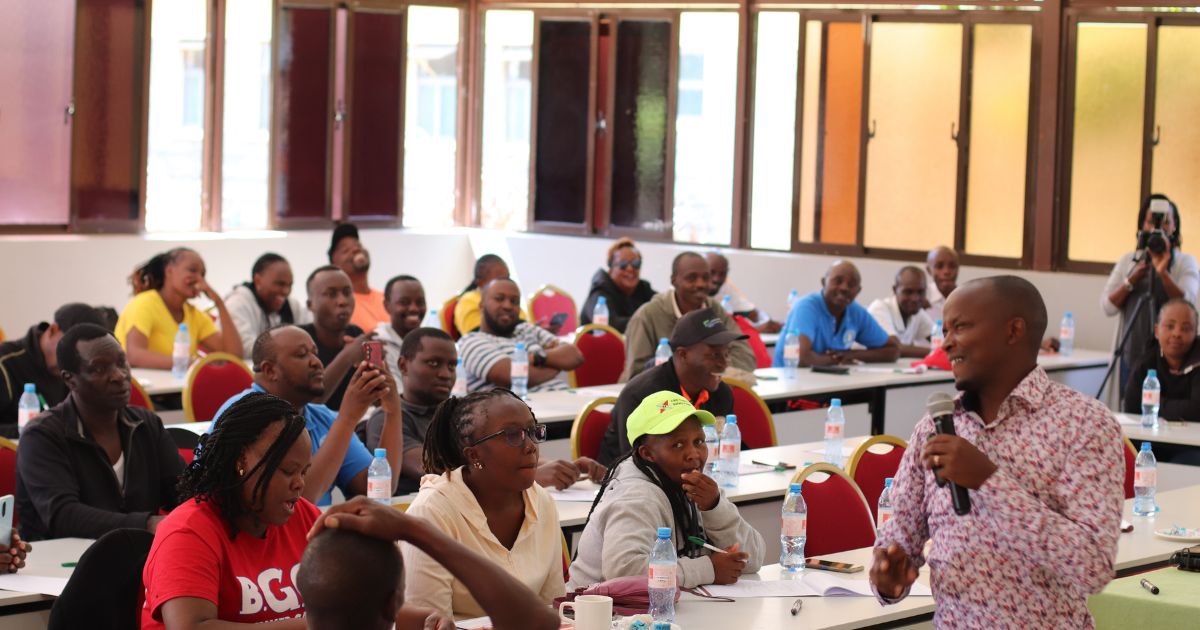
Poor financial decisions do not just hurt operational profits; they risk the hard-earned savings of thousands of cooperative members. To safeguard these deposits and ensure long-term institutional stability, investing in SACCO Financial Management Training in Kenya is absolutely essential for modern cooperative leaders. Partnering with proven industry experts like www.saccochampions.co.ke equips your board and management team with the practical skills needed to maintain SASRA compliance, manage daily liquidity and drive sustainable financial growth.
Why SACCOs Need Financial Management Training.
The cooperative movement in Kenya has evolved from small, informal savings groups into a multi-billion shilling sector. With this massive growth comes intense regulatory scrutiny. The Sacco Societies Regulatory Authority (SASRA) now enforces strict risk-based supervision. This means regulators actively evaluate how well a cooperative identifies, monitors and mitigates financial risks before they escalate into crises.
Historically, many elected board members left financial oversight entirely to the Chief Executive Officer and the accounting department. Under current SASRA guidelines, that hands-off approach is legally dangerous. Board members are individually and collectively liable for the financial health of the cooperative. Therefore, every leader—regardless of their professional background—must understand how to read financial statements, track institutional capital and question financial reports. Continuous financial capacity building is no longer an optional luxury; it is a mandatory governance requirement.


What Does SACCO Financial Management Training Cover?
A comprehensive training program bridges the knowledge gap between elected officials and professional finance teams. When your leadership undergoes structured financial training, they master several core areas of cooperative management.
1. Liquidity Management and Cash Flow Forecasting.
Liquidity is the lifeblood of any cooperative society. It dictates whether an institution can issue approved loans on time and meet member withdrawal requests. Financial training teaches leaders how to balance aggressive loan disbursement with the need to retain sufficient cash reserves. Participants learn how to maintain the statutory minimum liquidity ratio of 15% against total deposits, ensuring the institution never faces embarrassing cash shortages that erode member trust.
2. Loan Portfolio Quality and Default Prevention.
Since issuing credit is the primary revenue stream for a cooperative, managing loan quality is critical. Weak credit appraisal processes lead to a surge in Non-Performing Loans (NPLs). Training programs focus heavily on credit risk assessment, teaching credit committees how to evaluate borrower capacity accurately. By learning how to monitor the aging of loans and implement early recovery strategies, management can confidently keep their NPL ratio well below the recommended 5% threshold.
3. Capital Adequacy and Prudential Standards.
SASRA requires institutions to maintain specific financial buffers to absorb unexpected market shocks or widespread loan defaults. Financial management seminars demystify these prudential standards. Leaders are trained on how to track core capital reserves, ensuring they meet the minimum requirement of 10% of total assets and 8% of total deposits. Understanding these buffers prevents severe regulatory penalties and license revocations.
4. Strategic Dividend Payout vs. Retained Earnings.
One of the most challenging decisions a board faces annually is declaring dividends. While members always pressure leadership for high dividend rates, paying out too much cash can cripple the institution’s operating capital. Training equips boards with the analytical tools to determine sustainable dividend rates. It teaches the importance of building institutional capital through retained earnings, balancing member satisfaction with long-term financial survival.
5. Internal Controls and Fraud Prevention.
Weak internal systems are the leading cause of internal financial loss. Comprehensive training sessions highlight how to establish strong internal controls, such as the strict separation of duties and dual-approval requirements for large financial transactions. By understanding how to support internal audit functions and conduct surprise cash counts, leadership can easily detect operational weaknesses and prevent institutional fraud.
Key Financial Ratios Every Sacco Leader Must Monitor.
To provide effective oversight, cooperative leaders do not need to be certified public accountants. However, they must know how to interpret financial dashboards. Below is a structured breakdown of the most critical SASRA compliance metrics that are thoroughly covered during professional training:
| Financial Metric | Statutory Target Minimum | Purpose of the Metric |
| Liquidity Ratio | Minimum 15% of total deposits | Ensures the institution has enough liquid cash to fund immediate member loans and withdrawals. |
| Core Capital to Total Assets | Minimum 10% of total assets | Acts as a fundamental shock absorber against sudden economic downturns or loan losses. |
| Institutional Capital Ratio | Minimum 8% of total assets | Measures the cooperative’s ability to sustain operations using internal retained earnings. |
| Non-Performing Loans (NPL) | Strictly Less than 5% of gross loans | Evaluates the health of the loan book and the effectiveness of the credit appraisal process. |
Why Board Members and Management Need Joint Training.
A common structural weakness in many organizations is the disconnect between the board of directors and the senior management team. When managers understand financial regulations but the board does not, strategic meetings become frustrating. Alternatively, when a board demands impossible financial targets without understanding market realities, management is forced to take dangerous operational risks.
Conducting joint training sessions through facilitators like www.saccochampions.co.ke aligns both levels of leadership. Joint sessions clarify the strict boundary between board oversight and daily operational management. Furthermore, it creates a unified financial language. When the finance manager presents a quarterly report, the board knows exactly which red flags to look for, ensuring accountability remains constructive rather than confrontational.
How Much Does SACCO Financial Management Training Cost?
When planning for capacity building, leadership teams must allocate appropriate budgets. Because financial conditions fluctuate, it is crucial to focus on the factors that influence indicative training costs rather than searching for fixed market prices.
- Customization Depth: Generic, off-the-shelf seminars are generally cheaper but offer lower value. Customizing training to address your specific internal audit reports or recent SASRA compliance flags requires intensive preparation from facilitators, impacting the overall budget.
- Duration of the Program: A quick, half-day executive briefing on new tax laws requires fewer resources compared to a comprehensive, multi-day retreat that covers risk management, credit appraisal and strategic business planning.
- Venue and Logistics: Hosting facilitators at your internal boardroom significantly reduces expenses. Conversely, taking the board to a scenic retreat venue away from the office increases indicative costs due to premium accommodation and catering, though it drastically improves focus and team bonding.
- Professional Expertise: Engaging specialized, deeply experienced cooperative consultants yields a high return on investment. Their ability to translate complex regulatory jargon into actionable operational steps justifies the training expenditure by preventing costly regulatory fines down the line.
Benefits of SACCO Financial Management Training.
Institutions that prioritize ongoing financial education experience clear, measurable benefits. First, they navigate external regulatory audits with ease. When internal controls are tight and reporting is accurate, audits stop being a source of panic and become a routine validation of institutional strength.
Secondly, transparent financial management dramatically boosts member confidence. When members see that their funds are protected by knowledgeable leaders who declare sustainable dividends, they are more likely to increase their monthly deposits and route their salaries through the cooperative.
Finally, skilled financial management allows cooperatives to innovate safely. Whether the institution wants to launch a new mortgage product or digitize its core banking platform, leaders with strong financial acumen can assess the risks, secure the necessary capital and execute the expansion profitably.
Conclusion: SACCO Financial Management Training in Kenya.
Ignorance of financial regulations is not a defense in the modern cooperative sector. Embracing structured SACCO Financial Management Training in Kenya is the most proactive step your institution can take to protect member wealth, ensure regulatory compliance and guarantee operational sustainability. By equipping your board and management with the tools to analyze data, control risks and maintain liquidity, you build a resilient organization capable of thriving in a competitive economy.
Do not wait for a regulatory audit to expose your institutional vulnerabilities. Contact the cooperative capacity-building experts at www.saccochampions.co.ke today to schedule a customized training program that empowers your leadership team to govern with absolute confidence.
10 Frequently Asked Questions (FAQs).
1. What is SACCO Financial Management Training in Kenya?
It is a specialized capacity-building program designed to teach cooperative leaders, board members, and managers how to interpret financial statements, enforce internal controls and comply with SASRA regulations.
2. Why is financial training critical for board members who are not accountants?
Board members are legally liable for the cooperative’s financial health. Training equips them with the ability to read financial dashboards, ask the right questions and detect anomalies, even if they lack formal accounting backgrounds.
3. How does training help reduce Non-Performing Loans (NPLs)?
Programs focus heavily on credit risk management, teaching credit committees how to appraise borrower capacity accurately and implement strict debt recovery strategies to keep NPLs below the 5% threshold.
4. What are the key SASRA financial ratios we must monitor?
Leaders are trained to constantly monitor the liquidity ratio (minimum 15%), core capital ratio (minimum 10% of total assets) and institutional capital, ensuring full statutory compliance.
5. How much does a comprehensive training program cost?
Training budgets vary based on program duration, group size, venue selection and the level of course customization. For accurate, indicative cost proposals tailored to your team, visit www.saccochampions.co.ke.
6. Can poor financial management affect member dividend payouts?
Yes. Poor liquidity planning and high loan defaults deplete operational cash. Training helps boards balance the pressure of paying high dividends with the necessity of retaining earnings for institutional stability.
7. How frequently should cooperative leaders undergo financial training?
Due to evolving tax laws and dynamic SASRA regulations, it is highly recommended that boards and senior management undergo refresher financial and compliance training at least once every year.
8. Does financial training help prevent internal fraud?
Absolutely. Specialized modules on internal controls teach leaders how to enforce the separation of duties, authorize surprise cash audits and secure digital platforms, effectively minimizing fraud risks.
9. Can we customize the training to address our specific audit findings?
Yes. Professional facilitators analyze your recent financial reports and audit flags to design a tailored curriculum that directly solves your unique operational weaknesses.
10. Where can we book expert cooperative financial trainers in Kenya?
For practical, engaging, and highly specialized capacity-building programs, you should partner with the seasoned experts at www.saccochampions.co.ke to elevate your leadership team’s competence.