
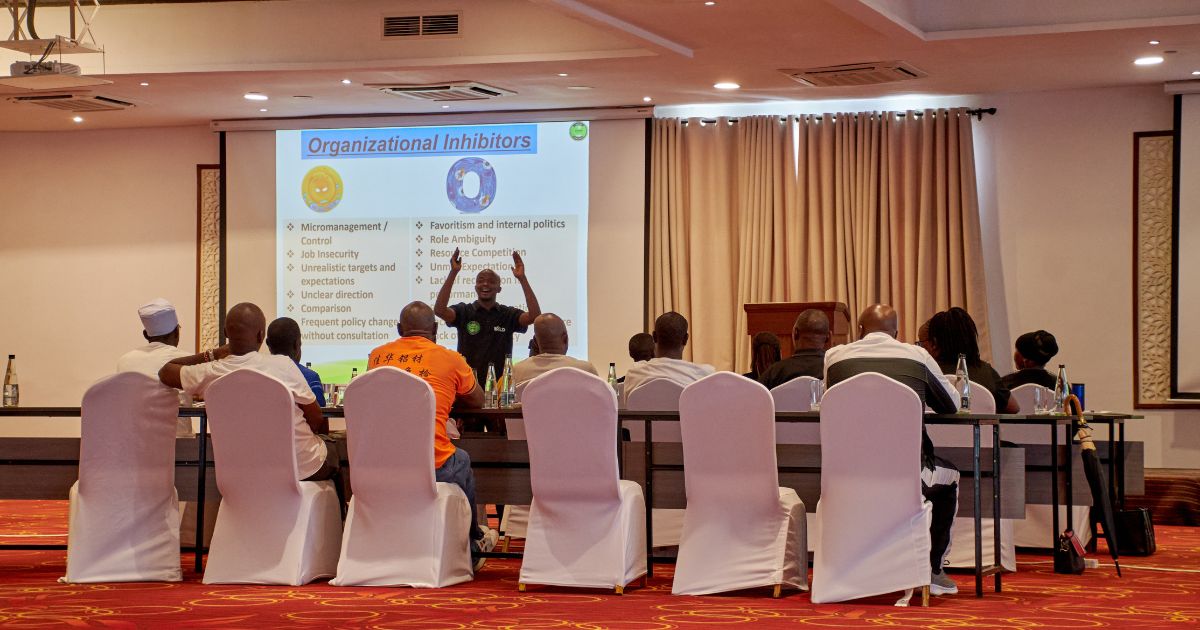
Did you know that despite heavy investments in firewall software, Kenyan SACCOs are losing millions to cyberattacks? These devastating breaches often stem from simple human errors. As the cooperative sector aggressively digitizes its operations, the risk landscape continues to change. Today, professional SACCO Cybersecurity Training in Kenya via www.saccochampions.co.ke is no longer an optional IT recommendation. It is the definitive, mandatory shield required to protect your members’ funds. Furthermore, it ensures strict compliance with national data protection laws.
The Escalating Cyber Threat Landscape for Kenyan SACCOs in 2026.
Savings and Credit Co-operative Societies (SACCOs) play a pivotal role in Kenya’s financial inclusion strategy. Today, these institutions are moving rapidly away from manual paper ledgers. They are transitioning to cloud-based core banking software. They also use USSD platforms and mobile banking applications. These modern apps integrate directly with mobile money APIs.
However, this rapid digital transformation has made them highly attractive targets. Cybercriminals are now actively focusing on the cooperative sector. Recent threat intelligence reports covering early 2026 revealed a worrying trend. Kenya’s digital landscape faced over 3.3 billion detected cyber threats in just one quarter.
Hackers are fully aware of industry vulnerabilities. Unlike heavily guarded commercial banks, many SACCOs historically lacked massive IT security budgets. They could not easily establish complex cybersecurity operations centers. Criminals know this resource gap exists and exploit it.
What exactly are cybercriminals targeting within your cooperative?
-
Direct Liquid Funds: Criminals exploit vulnerabilities in mobile money integrations. They target USSD gateways to siphon member deposits. Sometimes, they even authorize fraudulent mobile loans.
-
Sensitive Personal Data: Scammers steal identity card numbers, KRA PINs, and home addresses. They also target financial transaction histories. This data is highly valuable on the dark web for identity theft.
-
Third-Party Integrations: The Kenyan SACCO sector relies heavily on external ICT vendors. They use third-party core banking systems and API gateways. If a vendor’s platform has systemic weaknesses, the exposure immediately affects multiple SACCOs.
During the recent 2026 Regulatory Policy Roundtable, the Sacco Societies Regulatory Authority (SASRA) addressed this crisis. They highlighted cybersecurity and data integrity as top-tier priorities. SASRA has made it clear that robust ICT governance is mandatory. Every deposit-taking SACCO must prove its systems are secure to maintain its operating license.
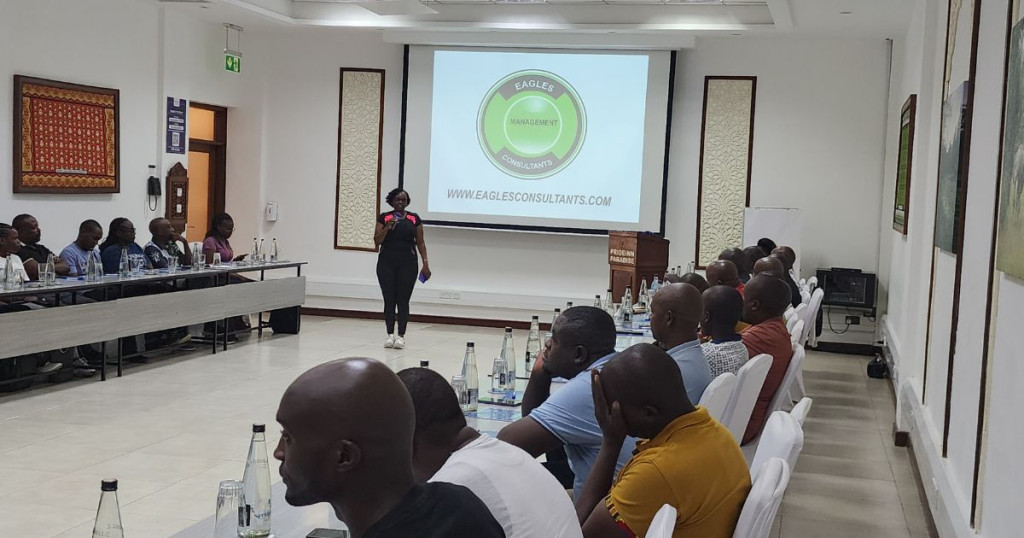
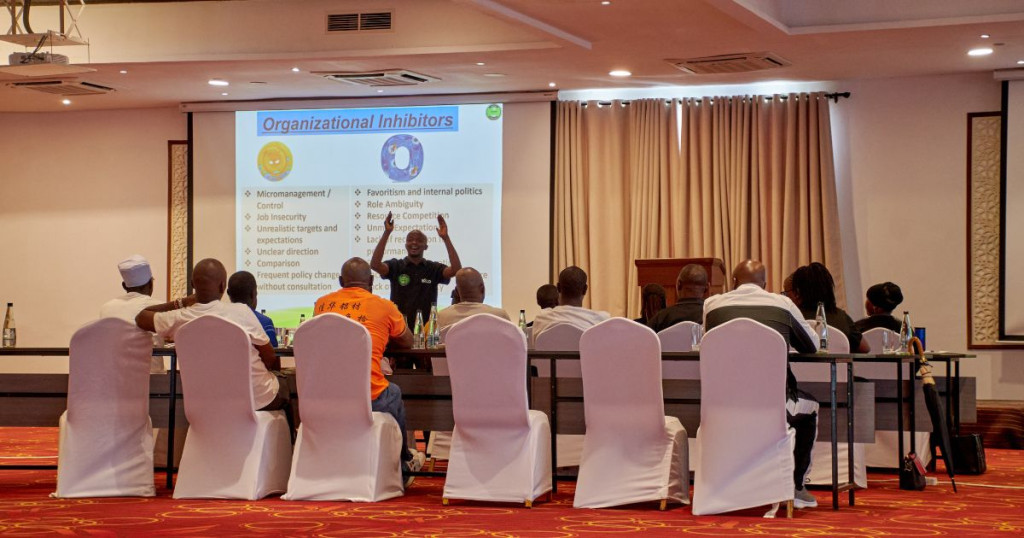
The New Reality of Kenya’s Data Protection Act & ODPC Compliance.
Cybersecurity is not just about avoiding financial loss. It is about keeping your SACCO legally operational. Kenya’s Data Protection Act (2019) fundamentally shifted how cooperative societies must handle member information.
Recent enforcement trends by the Office of the Data Protection Commissioner (ODPC) show a decisive change. The regulator has shifted from “awareness building” to strict financial penalties. The compliance grace period is completely over.
To achieve complete ODPC compliance in Kenya, SACCO leaders must embed specific legal principles into their daily operations:
-
The End of Implied Consent: Recent ODPC determinations have categorically rejected informal or implied consent. Your SACCO must collect explicit, written or digital consent. The burden of proving consent rests entirely on your institution.
-
Data Minimization: Do not collect or store information you do not actively need. For example, a short-term emergency loan does not require a guarantor’s detailed medical history. Asking for unnecessary personal data violates the law.
-
Storage Limitation: You cannot legally hoard member data forever. Once a member exits the SACCO, a countdown begins. After statutory financial retention periods expire, you must securely erase their personal data.
-
Dynamic Consent: Consent obtained for processing loan data is limited. You cannot automatically use it to send members third-party marketing messages. The right to object to direct marketing is absolute.
-
Mandatory Breach Reporting: If your SACCO suffers a data breach that compromises member records, you must act fast. You are legally obligated to report the incident to the ODPC within 72 hours.
The Cost of Negligence: Failing to register with the ODPC can be devastating. Suffering a data breach due to poor security protocols can result in immediate enforcement notices. Statutory fines can reach up to KSh 5 million or 1% of your SACCO’s annual turnover, whichever is higher.
Meeting SASRA 2026 IT Audit Requirements and Governance.
Technology governance is now a key focus for regulators. Kenya’s deposit-taking SACCOs face a highly demanding technology governance environment. SASRA now expects SACCOs to demonstrate advanced risk management capabilities. These standards are fast approaching those applied to commercial banks.
Key IT governance requirements include:
-
Core Banking System Controls: You must implement strict access management. This includes secure user provisioning, segregation of duties and privileged access controls.
-
Digital Channel Security: SACCOs must regularly evaluate USSD session management. You need robust transaction authorization controls and strong API security.
-
Business Continuity Planning: You must maintain tested disaster recovery plans. These plans ensure members can still access their funds during a system outage.
Many SACCO board members are elected directly from the general membership. Because of this, they may lack specialized technology governance expertise. This is where professional advisory and capacity-building firms like www.saccochampions.co.ke step in. They provide targeted board-level and staff-level training to bridge this critical knowledge gap.
The Human Firewall: Why Security Software Isn’t Enough.
Many SACCO management boards believe that purchasing expensive antivirus software guarantees safety. This is a major misconception. Global cybersecurity statistics reveal that the vast majority of data breaches are initiated by a human element.
Hackers know that breaking through a modern firewall is technically difficult. Instead, they find it much easier to trick a tired SACCO teller. A single manipulated employee can compromise the entire network. This is why specialized training is so vital. It builds a strong “human firewall” within your team.
Here are the specific human vulnerabilities that specialized SACCO Cybersecurity Training in Kenya addresses:
1. Social Engineering and Phishing Traps.
Fraudsters frequently impersonate authority figures. They send highly convincing emails disguised as urgent compliance notices from SASRA. Sometimes, they pretend to be your core banking software vendor. If an untrained employee clicks a malicious link, ransomware can deploy. This can lock your entire database until a heavy ransom is paid.
2. Insider Collusion and Access Abuse.
An insider threat is one of the highest risks facing Kenyan financial institutions. A disgruntled or compromised employee might collude with external fraud cartels. They use administrative access to alter loan balances or bypass guarantor checks. Some may even leak database records of high-net-worth members to scammers.
3. SIM-Swap and USSD Mobile Fraud.
Many members access their savings via mobile USSD codes. Cybercriminals often target cooperative customer service staff directly. They pretend to be a member who has lost their phone. Through clever manipulation, they convince the staff member to reset mobile banking PINs. They then link the account to a fraudulent phone number.
The Blueprint: Comprehensive SACCO Cybersecurity Training Modules.
A brief, one-hour generic IT talk is not enough to protect a complex financial institution. Effective capacity-building programs go much deeper. The courses curated by www.saccochampions.co.ke are tailored specifically to the daily workflows of cooperative societies.
A high-impact SACCO Cybersecurity Training in Kenya generally covers these comprehensive modules:
Module 1: The Modern Cyber Threat Landscape.
- Identifying the Enemy: We teach staff how modern cyber cartels operate in East Africa.
- Anatomy of an Attack: We break down real-world case studies of API manipulation and USSD fraud.
- The Human Firewall: We train staff to recognize their role as the primary line of defense.
Module 2: Defeating Social Engineering and Phishing.
- Spotting the Fakes: Staff participate in practical drills to inspect email headers and verify suspicious URLs.
- Verification Protocols: We help establish a strict “trust but verify” policy for password resets and transfers.
Module 3: Secure Core Banking and Mobile Operations.
- Password Hygiene: We help staff move beyond simple passwords. In Addition we teach them to implement complex passphrases and Multi-Factor Authentication (MFA).
- The Principle of Least Privilege: We ensure tellers only access necessary functions. Only designated senior managers should authorize large transfers.
Module 4: Navigating ODPC Compliance and the Data Protection Act.
- Translating the Law: We break down legal jargon into practical actions for your credit, HR, and marketing departments.
- Data Subject Rights: We train staff to legally respond when a member requests data corrections or deletions.
Module 5: Incident Response and Crisis Communication.
- The First 60 Minutes: We teach staff exactly what to do if they suspect a malware infection.
- Breach Reporting: We outline step-by-step procedures to escalate the issue internally and notify the ODPC within 72 hours.
A Strategic Roadmap for Board Members: Achieving Total Compliance.
Regulatory adherence is not a reactive annual exercise. It is a continuous, daily standard. Here is the roadmap your leadership team must follow to secure your institution:
10 Frequently Asked Questions (FAQs) About SACCO Cybersecurity Training in Kenya.
1. Are small, rural-based SACCOs required to comply with Kenya’s Data Protection Act?
Yes, they are. The Data Protection Act applies to all entities processing personal data in Kenya. This is regardless of physical location, size or annual revenue. If you collect ID and phone numbers, you must comply.
2. What is the penalty if our SACCO fails to register with the ODPC?
Failing to register can lead to severe consequences. The ODPC can issue enforcement notices and administrative fines. These fines can reach up to KSh 5 million or 1% of your annual turnover.
3. Does SASRA hold the Board of Directors liable for cyber breaches?
Yes, absolutely. SASRA holds boards of directors collectively liable for institutional governance. Board members must possess the technology literacy required to oversee IT risks. They must also allocate sufficient budgets for security.
4. Can we use “implied consent” when collecting member data?
No, you cannot. The ODPC has explicitly rejected the concept of informal or implied consent. Your SACCO must clearly prove that the member took affirmative action to consent. This consent must be documented and fully auditable.
5. How often should we conduct cybersecurity training for our staff?
Best practices dictate that comprehensive training should occur at least annually. However, because cyber threats evolve rapidly, we recommend supplementing this with quarterly refresher courses. You should also run regular simulated phishing drills.
6. What exactly is a Data Protection Officer (DPO), and do we need one?
A DPO is an individual designated to oversee a SACCO’s data privacy strategy. Because SACCOs handle sensitive financial and biometric data, appointing a DPO is a mandatory legal requirement for compliance.
7. What should our front-office staff do if they accidentally click a suspicious email link?
They should immediately disconnect their computer from the internet. They can unplug the network cable or turn off Wi-Fi. This action prevents malware from spreading. They must then report the incident to the IT department.
8. How quickly must a SACCO report a data breach to the regulator?
If a data breach occurs that poses a risk to your members, you must act quickly. You are legally required to notify the ODPC within 72 hours of becoming aware of the incident.
9. Are we allowed to keep the personal data of members who left the SACCO 10 years ago?
No. Under the “Storage Limitation” principle, you must not keep data longer than is strictly necessary. Once the statutory financial retention periods expire, obsolete data must be securely deleted.
10. Where can Kenyan SACCOs get specialized, industry-compliant cybersecurity training?
For customized training programs, SASRA compliance advisory, and data protection modules, SACCOs should partner with the capacity-building professionals at www.saccochampions.co.ke.
Secure Your SACCO Cybersecurity Training in Kenya Today.
The growth of the cooperative movement in Kenya depends entirely on trust. If a member feels their hard-earned deposits or personal details are at risk, that trust evaporates instantly. Building a secure digital environment requires more than just core banking software and firewalls. It requires a highly trained, vigilant workforce that understands modern threat tactics.
By investing in continuous staff development, you empower your employees to become your strongest line of defense. Do not wait for an expensive hack, an ODPC fine or a SASRA audit failure to take action. Take control of your institutional security today by visiting www.saccochampions.co.ke to schedule your tailored SACCO Cybersecurity Training in Kenya.