

Running a Savings and Credit Co-operative Society (SACCO) in Kenya is a brilliant, proven way to build community wealth and empower members economically. However, managing millions—or even billions—of shillings in public deposits requires far more than just good intentions. It demands a watertight, transparent approach to leadership, strategic direction and financial accountability. This is exactly where SACCO corporate governance in Kenya comes into play.
In recent years, the regulatory landscape in Kenya has become significantly stricter to protect members’ hard-earned money. If you are a board member, supervisory committee member, CEO, or part of the executive management team, understanding your specific legal obligations is no longer optional. Ignorance of the law is not an excuse; non-compliance can lead to heavy personal fines, regulatory takeovers or the absolute loss of your institution’s operational license.
To help your SACCO stay safe, legally compliant, and primed for massive growth, we have broken down the core legal requirements, operational frameworks and practical steps every cooperative leader must know. For deeper resources, custom policy templates and expert SACCO management tools, you can always rely on www.saccochampions.co.ke.
What is SACCO Corporate Governance in Kenya?
At its core, corporate governance is the system of rules, practices, and processes by which a SACCO is directed, controlled and held accountable. It is the framework that balances the interests of the SACCO’s many stakeholders, including its members (shareholders), management, staff, the government and the community at large.
Historically, some of the best SACCOs in Kenya started as small welfare groups operating on mutual trust. But as these institutions grew to rival commercial banks in asset size, informal “gentleman’s agreements” were no longer sufficient. Governance evolved to address a critical need: protecting member deposits from mismanagement, fraud and poor lending practices.
Effective SACCO management in Kenya relies on a transparent governance structure that dictates how power is distributed, how decisions are made and how risk is monitored. Good governance prevents “one-man shows” and ensures that the wealth creation mandate of the cooperative movement is realized systematically.
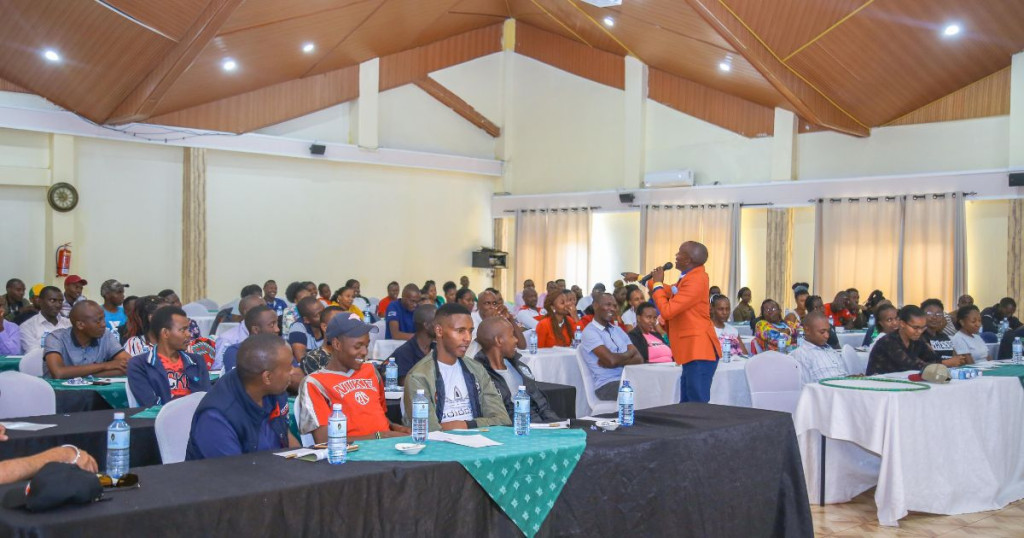

The Core Legal and Regulatory Framework.
You cannot design internal policies without first understanding the national laws that enforce them. The cooperative movement in Kenya is highly regulated and the legal environment is divided depending on the exact nature of the financial services your SACCO offers.
The primary regulator for the financial aspect of the sector is the Sacco Societies Regulatory Authority (SASRA). Working alongside the Ministry of Co-operatives and Micro, Small and Medium Enterprises (MSMEs), SASRA is tasked with licensing, supervising and regulating SACCOs to protect the financial sector’s stability.
The Three Pillars of Co-operative Legislation:
-
The Co-operative Societies Act (Cap 490): This is the foundational law for all cooperatives in Kenya. It governs the registration, basic administration and dispute resolution for all societies—not just financial ones, but agricultural and housing cooperatives as well.
-
The Sacco Societies Act No. 14 of 2008: This specific act established SASRA and carved out the strict financial boundaries within which SACCOs must operate to protect member deposits.
-
SASRA Regulations (2010 and 2020): These are the detailed, day-to-day operational rulebooks. The 2010 regulations govern Deposit-Taking SACCOs, while the 2020 regulations brought specified Non-Deposit Taking SACCOs under SASRA’s direct watch.
DT-SACCOs vs. NWDT-SACCOs: Knowing Your Bracket.
Understanding where your SACCO falls is the first step in applying the right corporate governance standards. The rules differ slightly based on the risks associated with the business model.
| Feature | Deposit-Taking SACCOs (DT-SACCOs) | Non-Withdrawable Deposit-Taking SACCOs (NWDT-SACCOs) |
| Common Name | FOSA (Front Office Service Activity) | BOSA (Back Office Service Activity) |
| Nature of Deposits | Members can withdraw cash over the counter, via ATMs, or mobile banking at any time. | Deposits act as collateral for loans. Members can only access these funds if they resign from the SACCO. |
| Regulatory Oversight | Strictly regulated by SASRA (2010 Regulations). | Regulated by SASRA (2020 Regulations) if deposits exceed Ksh 100 Million or if diaspora/virtual based. |
| Capital Requirements | Higher minimum core capital (Ksh 10 Million). | Slightly lower capital thresholds, but strict liquidity monitoring. |
If your SACCO is transitioning from BOSA to FOSA, your governance structures must be upgraded immediately to handle the daily liquidity risks associated with on-demand cash withdrawals.
The Pillars of SACCO Leadership: Separation of Powers.
The most common—and devastating—governance failure in Kenyan cooperatives is the “blurring of lines” between the board of directors and the executive management. True corporate governance demands a rigid separation of powers. When the board starts acting like the CEO, or the CEO overpowers the board, the SACCO is on a fast track to collapse.
1. The Supreme Authority: General Membership (AGM/ADM).
The members own the SACCO. Their power is exercised during the Annual General Meeting (AGM) or the Annual Delegates Meeting (ADM) for larger SACCOs. The AGM is responsible for electing the board, appointing the external auditor, approving maximum borrowing limits and declaring dividends based on the board’s recommendations.
2. The Visionaries: Board of Directors.
Elected by the members, the board consists of a minimum of five and a maximum of nine individuals. Their role is strictly strategic, not operational.
-
What they do: Formulate policies, set strategic goals, monitor financial health, manage enterprise risk and hire the CEO.
-
What they DO NOT do: Approve minor individual member loans, hire junior tellers or manage daily office logistics.
The board operates through specialized sub-committees to ensure efficiency:
-
Credit Committee: Reviews overall lending policies and handles massive loan requests or complex non-performing loans.
-
Audit/Risk Committee: Focuses on internal controls, regulatory compliance and risk mitigation.
-
Education Committee: Ensures members are continuously trained on financial literacy and cooperative principles.
3. The Watchdogs: Supervisory Committee.
This is a three-member team elected directly by the AGM. Crucially, the supervisory committee does not report to the board. They report directly to the members. Their legal mandate is to audit both the board and the management, ensuring that the SACCO’s bylaws and SASRA regulations are being followed without bias.
4. The Executors: CEO and Management.
The Chief Executive Officer is hired competitively by the board. The CEO handles the day-to-day operations, manages the staff, executes the strategic plan, and ensures the SACCO remains liquid and profitable. Under SASRA guidelines, the CEO sits on the board as an ex-officio (non-voting) member to provide data, context and operational advice.
The SASRA “Fit and Proper” Test: Who Can Lead?
You cannot simply wake up and appoint a popular friend or relative to direct a multi-million shilling financial institution. SASRA has established strict guidelines to ensure that only individuals with high integrity and competence manage public funds. Every prospective board member, supervisory committee member and senior executive must pass the Fit and Proper Test.
Candidates must submit Form 3 (Fit and Proper Assessment Form) to the authority. The evaluation is rigorous and looks at:
-
Financial Integrity: The candidate must be financially sound. A history of bankruptcy, gross loan defaults or previous financial mismanagement immediately disqualifies a candidate.
-
Academic and Professional Background: Leading modern SACCOs requires financial literacy. Senior management and board chairpersons are often required to hold minimum academic credentials (degrees) or professional certifications such as CPA-K (Certified Public Accountant) or CS (Certified Secretary).
-
Moral and Ethical Character: A valid Certificate of Good Conduct from the Directorate of Criminal Investigations (DCI) is mandatory. Furthermore, candidates must comply with Chapter Six of the Constitution of Kenya on Leadership and Integrity.
Crucial Legal Note: If an existing board member defaults on their own SACCO loans for more than three consecutive months, they are legally disqualified from holding office and must step down immediately. The board cannot rewrite the rules to protect them.
Financial Compliance and the CAMEL Framework.
Sound financial management is the ultimate proof of corporate governance. Regulators assess the health of a SACCO using the globally recognized CAMEL rating system. SASRA requires SACCOs to submit monthly and quarterly returns based on these metrics.
-
C – Capital Adequacy: Does the SACCO have enough of its own money to absorb shocks? DT-SACCOs must maintain a minimum Core Capital to Total Assets ratio of 10%, and a Core Capital to Deposit Liabilities ratio of 8%. This ensures member deposits are backed by a solid institutional buffer.
-
A – Asset Quality: This looks at the loan book. Are members repaying their loans? A high level of Non-Performing Loans (NPLs) indicates poor credit policies and weak governance. By law, SACCOs must provide heavily for bad debts out of their profits.
-
M – Management Quality: Regulators assess whether the board is complying with the Sacco Societies Act, holding regular meetings, and enforcing internal policies.
-
E – Earnings: Is the SACCO profitable from its core business (interest on loans) rather than just charging members arbitrary fees? Consistent earnings ensure the SACCO can pay out competitive dividends.
-
L – Liquidity: Can the SACCO meet its members’ cash demands today? DT-SACCOs must maintain a minimum liquidity ratio of 15% of their savings deposits. Failing to meet member withdrawals is the fastest way to trigger a regulatory takeover.
Mandatory Annual Financial Audits.
Every SACCO in Kenya must have its financial books audited and closed within three months of the financial year-end (by March 31st). You cannot use just any accountant; the external auditor must be pre-approved and listed on SASRA’s official register. Once the audit is complete, the SACCO must seek written approval from SASRA before presenting the accounts to the members at the AGM.
Essential Risk Management Policies Every SACCO Needs.
A well-governed SACCO operates on written, board-approved policies—not verbal instructions, past traditions or “how we have always done it.” Operating without documented policies is a severe governance breach.
Common Governance Pitfalls and How to Avoid Them.
Even with the best intentions, SACCOs can fall into traps that stunt their growth. Recognizing these pitfalls early is key to maintaining a high-ranking institution.
-
Conflict of Interest: This occurs when a board member uses their position to secure massive loans, win procurement tenders for their private companies or hire unqualified relatives. To combat this, SACCOs must maintain a Conflict of Interest Register. Any director with a personal stake in an upcoming board decision must formally declare it and recuse themselves from the meeting.
-
“Founder’s Syndrome” and Entrenchment: When the original founders of the SACCO refuse to leave the board, innovation stagnates. Good governance demands strict term limits. The standard best practice is a three-year term, renewable once or twice, allowing fresh, modern leadership to step in.
-
Weak Internal Audit Functions: If the internal auditor reports to the CEO, they will be too afraid to point out management flaws. The internal auditor must be independent and report directly to the Supervisory Committee or the Board’s Audit Committee.
-
Poor Dividend Management: Paying out dividends from member deposits (rather than actual realized profits) to look “successful” at the AGM is illegal and creates a financial bubble that will eventually burst. Dividends must strictly come from audited, surplus earnings.
The Real Benefits of Strict SACCO Corporate Governance in Kenya.
Why go through all this trouble? Because good governance is highly profitable.
First, it builds unshakable trust. When members know their money is safe, they invest more, save morevand invite others. This leads to massive asset growth.
Second, it provides legal protection. By adhering to SASRA regulations and the Co-operative Societies Act Cap 490, leaders protect themselves from criminal liability and ensure the institution survives for generations.
Lastly, well-governed SACCOs attract external partnerships. Commercial banks, international development funds and government agencies prefer partnering with transparent institutions, opening the door for wholesale borrowing at lower interest rates.
To stay ahead, management teams should regularly access professional templates, governance audits and modern management methodologies available on Sacco Champions.
10 Frequently Asked Questions (FAQs) on SACCO Corporate Governance in Kenya.
Q1: What happens if a SACCO fails the SASRA “Fit and Proper” test for its directors?
SASRA will reject the nomination of the individual. The SACCO will be required to elect a different, qualified member to the board. If the board attempts to operate with disqualified members, the regulator can suspend the entire board.
Q2: Can a non-Kenyan sit on the board of a Kenyan SACCO?
Yes, provided they are a fully registered member of the SACCO, possess valid residency and work permits and successfully pass the SASRA vetting process, including criminal background checks.
Q3: Is it legal for the CEO to vote during board meetings?
No. The CEO is an ex-officio member. They attend board meetings to provide strategic guidance, present financial reports and answer operational questions, but they do not hold voting power. The board must remain independent.
Q4: What is the penalty for failing to submit SASRA monthly returns on time?
SACCOs that fail to submit statutory returns face heavy administrative fines per day of delay. Persistent failure can lead to the restriction of lending activities or suspension of the SACCO’s operating license.
Q5: Who sets the interest rates for loans in a SACCO?
The Board of Directors, usually guided by the Credit Committee and management data, sets the interest rates. However, these rates must be formally documented in the Credit Policy and clearly communicated to members without hidden charges, as mandated by SASRA’s Consumer Protection framework.
Q6: What is the difference between Institutional Capital and Core Capital?
Institutional Capital refers specifically to the permanent, non-distributable reserves of the SACCO (like retained earnings and statutory reserves). Core Capital is broader and includes institutional capital plus the actual share capital contributed by members. Both are critical for financial stability.
Q7: Can a SACCO board member be fired before their term ends?
Yes. A board member can be removed via a vote of no confidence during a Special General Meeting (SGM) convened by the members. They can also be legally removed by SASRA for gross misconduct or loan defaulting.
Q8: Are SACCO board members paid a monthly salary?
No. Board members are not permanent employees of the SACCO. They are compensated through sitting allowances, honorariums, or travel reimbursements, the limits of which must be approved by the members during the AGM based on profitability.
Q9: What should a member do if they suspect massive financial fraud by the board?
The member should first report the issue to the Supervisory Committee. If no action is taken, they have the legal right to file a formal complaint with SASRA, the Commissioner for Co-operative Development or the Co-operative Tribunal.
Q10: Where can a new SACCO find help with drafting legally compliant bylaws and governance policies?
Institutions looking to set up strong foundations or upgrade their existing frameworks should consult professional cooperative advisors. Comprehensive toolkits, policy guides and expert consultations are available directly at www.saccochampions.co.ke.
Conclusion: SACCO corporate governance in Kenya.
Mastering SACCO corporate governance in Kenya is an ongoing journey of education, transparency and strict adherence to the law. As the financial sector evolves, so must the leadership of our cooperatives. By understanding the roles of the board, adhering to SASRA’s financial metrics and implementing iron-clad risk policies, your SACCO will not only survive regulatory scrutiny but will thrive as a premier vehicle for wealth creation in Kenya.
Do not wait for a regulatory audit to fix your governance gaps. Equip your board and management with the right knowledge today. Visit Sacco Champions to access the ultimate resources for SACCO Corporate Governance in Kenya.