

The Strategic Importance of SACCO Committee Training in Kenya.
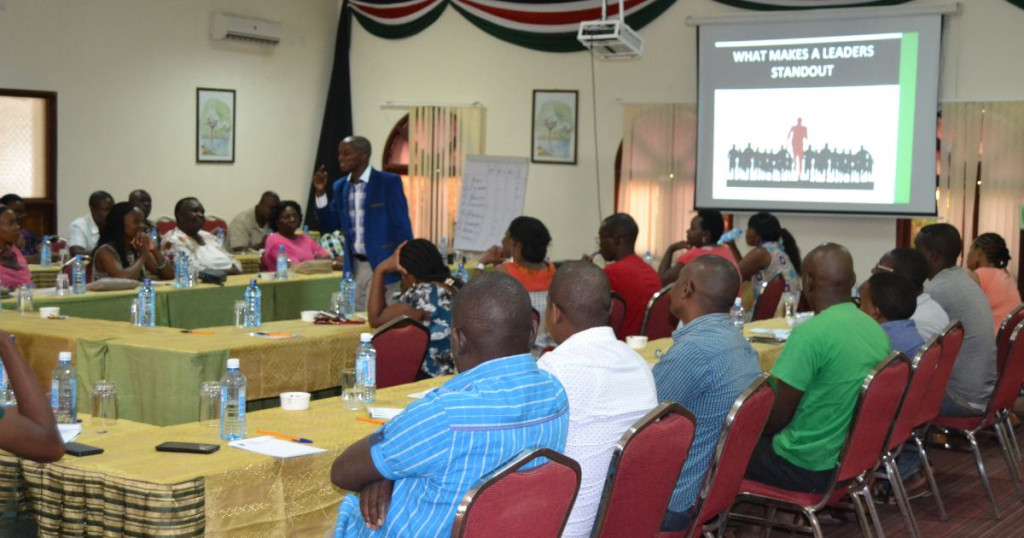
Financial cooperatives are the backbone of economic empowerment for millions of Kenyans. However, managing these institutions requires more than just basic administrative knowledge. Specialized training provides committee members with the strategic foresight needed to navigate complex economic landscapes. It establishes clear accountability systems and clarifies leadership responsibilities, preventing conflicts of interest.
When leaders undergo professional training, they learn to separate high-level oversight from daily operations. This separation prevents confusion and ensures that management can execute strategies without undue interference. Ultimately, transparent leadership strengthens member confidence, leading to steady cooperative growth and increased shareholder participation.

1. Aligning with SASRA Regulations and Compliance Requirements.
In Kenya, the Sacco Societies Regulatory Authority (SASRA) is the primary government agency responsible for overseeing and regulating deposit-taking and non-deposit-taking SACCOs. Ignorance of the law is never a defense when member funds are at stake.
Routine training ensures that your committee remains fully updated on evolving statutory liquidity ratios, capital adequacy requirements, and strict Know Your Customer (KYC) guidelines. Timely submission of audited financial statements is a strict SASRA requirement and training helps committee members understand these statutory deadlines to avoid severe regulatory penalties.
2. Protecting Member Deposits Through SACCO Financial Oversight.
A thoroughly trained committee does much more than point out accounting errors; they provide constructive, data-driven advice. Protecting member deposits is the absolute highest priority for any cooperative board.
By evaluating internal controls and long-term financial trends, trained leaders can spot risky lending habits and liquidity issues long before they lead to massive loan defaults. They safeguard the institution against mismanagement, insider collusion and reckless spending, ensuring that the SACCO’s cash flow remains positive and secure.
Core Roles Addressed in SACCO Committee Training in Kenya.
Different committees handle distinct aspects of cooperative governance. Comprehensive training modules, like those offered by www.saccochampions.co.ke, are customized to address the unique mandates of each oversight body.
1. The Supervisory Committee Roles: Ensuring Internal Controls.
The Supervisory Committee acts as the principal internal auditor and watchdog of the cooperative. Established under the Co-operative Society Rules, this committee must consist of members with a firm grasp of auditing and financial management.
Their primary roles include:
- Routine Inspections: Examining the books, confirming cash instruments, and verifying the physical securities of the credit union.
- System Verification: Conducting unannounced spot checks on petty cash and teller tills to prevent cash theft.
- Member Mediation: Acting as a vital bridge between management and the general membership to objectively resolve complaints regarding delayed loans or incorrect dividends.
2. The Credit Committee Duties: Managing Loan Portfolios.
Loans are the primary income generator for any SACCO, but they also carry the highest risk. The Credit Committee is tasked with ensuring the establishment and continuous review of an appropriate credit policy.
During targeted training, Credit Committee members learn how to:
- Appraise loan applications accurately to minimize the risk of default.
- Review periodic credit and loan portfolio reports before submitting them to the Management Committee.
- Ensure that problem loan accounts (Non-Performing Loans) are adequately identified, classified and provisioned for potential loss.
2. The Audit Committee Responsibilities: Enhancing Accountability.
The Audit Committee provides an essential layer of independent financial scrutiny. Comprising members conversant with financial and accounting matters, they ensure the integrity of the institution’s internal control systems.
Their duties heavily revolve around reviewing the performance and findings of the internal auditor, recommending remedial actions and ensuring coordination with external auditors. Effective training guarantees that this committee can critically evaluate management’s corrective actions and ensure they are completed within reasonable timelines.
Essential Skills Acquired from SACCO Governance Training.
Elected officials often come from diverse professional backgrounds. While they may be experts in their respective fields, governing a financial institution requires a specific skill set.
1. Financial Literacy and Analyzing SACCO Financial Reports.
You cannot oversee what you do not understand. Governance training demystifies complex financial jargon, enabling committee members to comfortably read and interpret balance sheets, income statements and cash flow reports.
Members learn to review the non-performing loans (NPL) ratio and monitor statutory liquidity ratios. This financial literacy empowers the board to ask the right questions during AGMs and management briefings, ensuring complete transparency.
2. Risk Management and Fraud Prevention Strategies.
Modern SACCOs face sophisticated threats, ranging from internal fraud to external cybersecurity breaches. A comprehensive training program introduces robust risk management frameworks.
Committees are trained to enforce the separation of duties—a fundamental rule ensuring that the person who initiates a payment is never the same person who approves it. They also learn the importance of regular IT audits, implementing whistleblowing mechanisms and managing conflicts of interest to maintain strict objectivity.
Measuring the Impact of Effective Board Oversight in Kenya.
When a SACCO invests in continuous professional development, the results are highly measurable. Institutions with trained boards experience fewer audit queries, faster regulatory approvals from SASRA and a noticeable drop in loan default rates.
Furthermore, well-trained delegates promote member education and awareness, building a culture of trust. When members trust their cooperative, they are more likely to increase their share capital and channel their primary savings through the institution. This localized growth strengthens the broader Kenyan economy.
Why Partner with www.saccochampions.co.ke for Your Training?
Selecting the right training partner is just as important as the training itself. At www.saccochampions.co.ke, we specialize in delivering high-impact, practical and fully localized training for financial cooperatives across Kenya.
Our programs are specifically aligned with the Co-operative Societies Act and SASRA guidelines. We do not just lecture; we utilize interactive workshops, real-world case studies and practical compliance checklists to ensure participants leave with actionable strategies. Whether you are a newly chartered local SACCO or a large-scale deposit-taking institution in Nairobi, our tailored packages guarantee that your leadership team will be fully equipped to drive sustainable growth.
10 Frequently Asked Questions (FAQs) About SACCO Training.
1. What is SACCO Committee Training in Kenya?
It is a specialized educational program designed to equip elected board members, supervisory committees and delegates with the financial, regulatory and governance skills. Which are required to effectively oversee a financial cooperative in Kenya.
2. Why is SASRA compliance training mandatory for SACCOs?
SASRA (Sacco Societies Regulatory Authority) enforces strict guidelines to protect public funds. Compliance training ensures that SACCO leaders understand statutory reporting, capital adequacy and liquidity requirements to avoid heavy penalties and operational closures.
3. Who should attend SACCO governance training?
Training is highly recommended for the Board of Directors, Supervisory Committee members, Audit and Credit Committee members, SACCO Delegates and senior management staff involved in daily decision-making.
4. How often should SACCO committees be trained?
Because the financial sector and regulatory frameworks evolve rapidly, continuous professional development is essential. It is best practice to undergo comprehensive training annually, with refresher courses held quarterly or immediately following new committee elections.
5. What exactly does the Supervisory Committee do?
The Supervisory Committee acts as the internal watchdog. They provide independent oversight by auditing financial transactions, verifying cash assets, resolving member complaints and ensuring management strictly adheres to the approved budget and policies.
6. Can effective training help reduce loan defaults?
Absolutely. By training the Credit Committee on proper loan appraisal techniques, risk assessment,¡ and stringent credit policy enforcement, a SACCO can significantly reduce its ratio of Non-Performing Loans (NPLs).
7. How does the Audit Committee differ from the Supervisory Committee?
While both handle oversight, the Supervisory Committee is elected directly by members to act as internal watchdogs and handle grievances. The Audit Committee is typically appointed from the Management Committee to specifically monitor internal control systems and liaise with external auditors.
8. Where can we book expert SACCO training in Nairobi or across Kenya?
You can book fully customized, SASRA-aligned governance and leadership training directly through www.saccochampions.co.ke. They offer tailored sessions for cooperatives of all sizes.
9. What core modules are covered in standard SACCO committee training?
Standard modules include Principles of SACCO Governance, SASRA Compliance and Reporting, Financial Literacy and Statement Analysis, Risk Management and Internal Controls, Ethics and Strategic Planning.
10. Is basic accounting knowledge required to join the Supervisory Committee?
Yes, according to the Co-operative Society Rules, at least one member of the Supervisory Committee must have basic bookkeeping, auditing, or financial management knowledge. If no such person is elected, the chosen members must be taken for basic accounting training.
Conclusion: Transform Your Cooperative with SACCO Committee Training in Kenya.
The success and longevity of any financial cooperative rely entirely on the integrity, competence, and vision of its leadership. SACCO Committee Training in Kenya provides the essential foundation needed to protect member investments, ensure strict SASRA compliance and foster an environment of transparency and strategic growth.
Do not wait for a regulatory audit or a financial crisis to realize the importance of good governance. Proactively equip your board with the skills they need to lead confidently. To schedule a comprehensive, expert-led training session tailored to your cooperative’s unique needs, visit www.saccochampions.co.ke today and take the first step toward institutional excellence.