
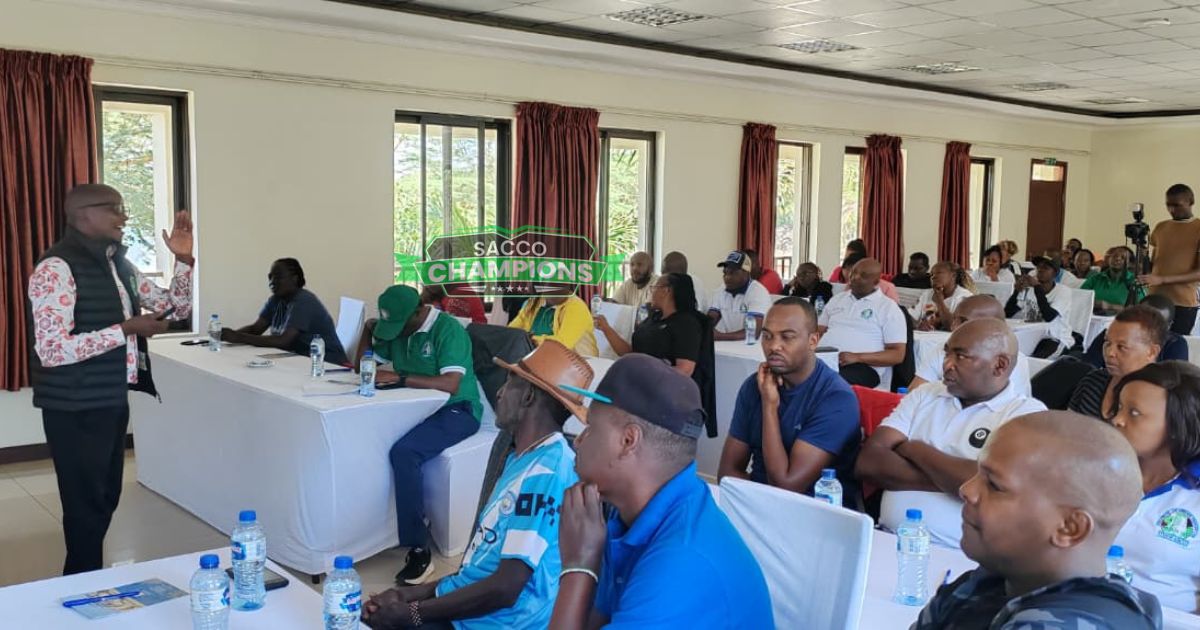
Many people work for 30 years, yet they plan for retirement only in the last 30 days. That gap causes stress, bad money choices and fear of the future. Pre-Retirement Training in Kenya helps SACCO members fix this early, with clear steps for saving, investing and living well after work. With expert support from www.saccochampions.co.ke, your members can walk into retirement with confidence instead of worry.
What Is Pre-Retirement Training in Kenya?
Pre-retirement training is a practical program that prepares workers and members for life after formal employment. It teaches them how to manage money, health, time and family needs once the monthly salary stops.
Most programs cover both money and life skills. Members learn about pensions, SACCO savings, investments, debt and budgeting. They also learn how to stay active, protect their health and find new sources of income. You may also hear it called a pre-retirement seminar in Kenya, retirement planning training or retirement readiness training. The goal is always the same: help people retire with dignity and peace of mind.
Why SACCO Members Need Pre-Retirement Training.
SACCOs are a big part of how Kenyans save and borrow. Many members build their wealth through shares, deposits and loans. But when retirement comes close, many do not know how to handle these savings well.
Here is why financial planning for SACCO members matters:
- Savings need a plan. Having money is not enough. Members must know how to use it wisely.
- Loans can follow people into retirement. Unpaid loans and guarantor duties can reduce what a member takes home.
- Income drops suddenly. Without a plan, daily needs can drain savings fast.
- Families depend on the member. School fees, medical bills and home needs often continue after retirement.
- People live longer. Savings must last for many years, not just a few.
- Scams target retirees. Fake investments often chase people who have just received a lump sum.
When SACCOs offer SACCO member education on retirement, they protect their members and strengthen the whole society.
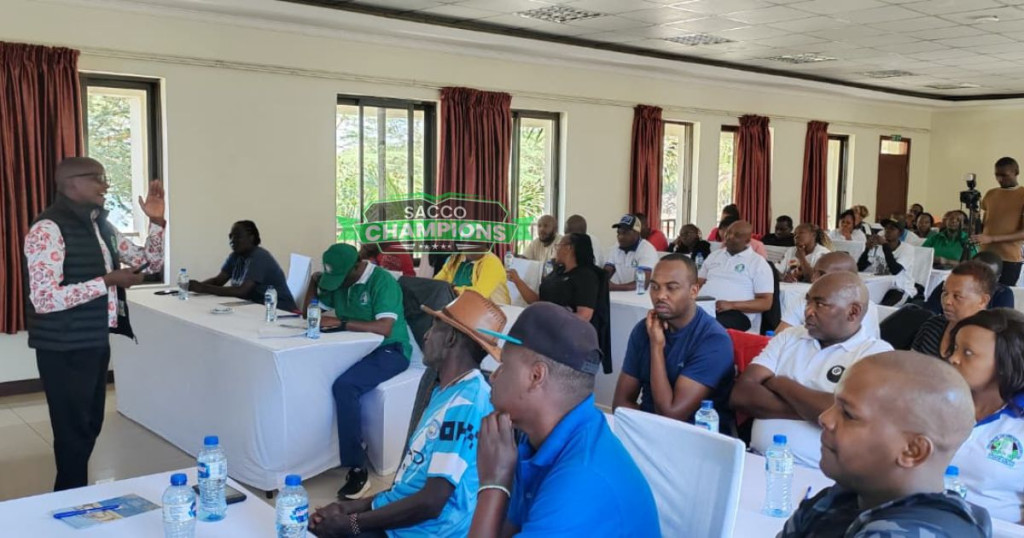
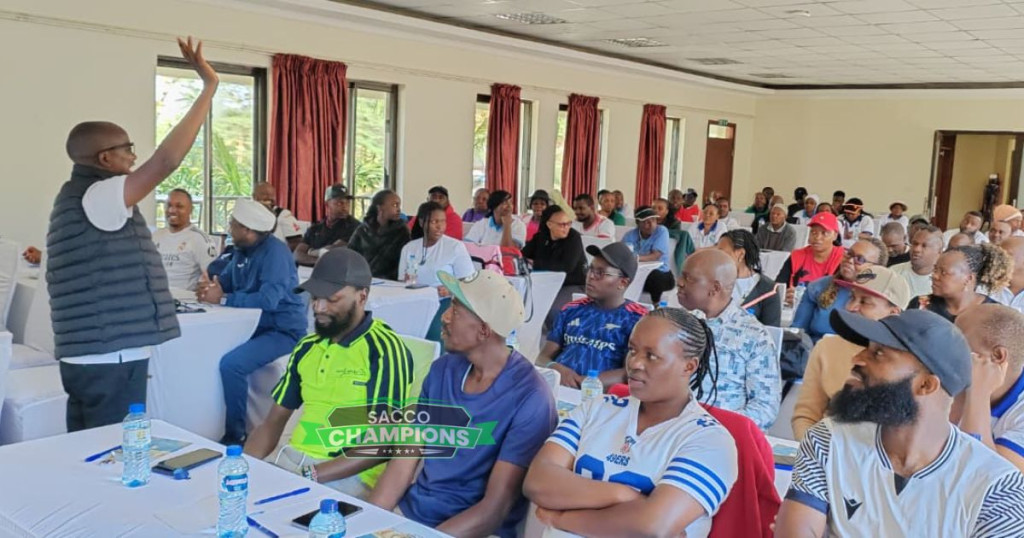
Signs You Should Start Retirement Planning Now.
Many people think retirement planning is only for those about to retire. The truth is that earlier is always better. You should start now if:
- You have no clear idea how much you will need after work.
- You depend only on one source of income.
- You carry many loans with long repayment periods.
- You have no plan for housing, health or family support.
- You have never checked your pension or SACCO statement carefully.
- You are within ten years of your expected retirement date.
Even members who are far from retirement gain a lot from learning the basics early.
Main Topics Covered in Pre-Retirement Training in Kenya.
A good program is simple, practical and focused on real life. Below are the main topics that strong retirement readiness training should cover.
1. Understanding Your Retirement Income Sources.
Members learn where their money will come from. This usually includes the National Social Security Fund (NSSF), an employer pension scheme if available, SACCO savings, personal investments and side income.
2. Budgeting for Life After Work.
Retirement budgeting is different from a salary budget. Members learn how to list needs, cut waste and plan for a lower and less regular income.
3. Using SACCO Savings Wisely.
This is a key topic for SACCO members. Trainers explain how shares, deposits, dividends and loans work. Members also learn what happens to their savings when they leave the SACCO, and why they should read their SACCO bylaws.
4. Clearing Debts Before Retirement.
Heavy debt is one of the biggest threats to a peaceful retirement. Members learn how to plan loan repayment, reduce interest and avoid new debt close to retirement. They also learn about guarantor responsibilities.
5. Investment Basics for Retirees.
Members learn simple options such as fixed deposits, treasury bills and bonds, money market funds, unit trusts and land or rental property. The focus is on safety, steady income and risk control.
6. Avoiding Scams and Bad Investments.
Retirees with lump sums are often targets. Training shows how to spot fake schemes, pyramid plans and “quick rich” offers. Members learn to check if a company or fund is properly licensed.
7. Starting a Small Business or Side Income.
Many retirees want to keep earning. Members learn how to pick a small, low-risk business, test it first and keep personal and business money apart.
8. Health and Insurance Planning.
Medical costs rise with age. Members learn about medical cover, the national health insurance system and how to set aside funds for health needs.
9. Estate Planning and Family Matters.
Training explains the value of writing a will, naming beneficiaries and updating SACCO nominations. This prevents family conflict and protects loved ones.
10. Emotional and Social Preparation.
Retirement is a big life change. Members learn how to handle the loss of work routine, stay active, build new friendships and find purpose.
11. Housing and Lifestyle Planning.
Members think about where they will live, how they will maintain their home and how to match their lifestyle to their income.
12. Building a Personal Retirement Action Plan.
Each member leaves with a written plan that shows goals, timelines and next steps. This turns lessons into real action.
Want these topics tailored for your SACCO? Talk to the team at www.saccochampions.co.ke to design a program that fits your members.
Retirement Benefits in Kenya: What Members Should Know.
Understanding the main sources of retirement income is the first step in retirement planning in Kenya. Here is a simple overview.
- NSSF. This is the national scheme that most formal workers contribute to. Members should check their records and know the rules for benefits.
- Employer pension schemes. Some employers run their own pension plans. These are overseen by the Retirement Benefits Authority (RBA). Members should read their scheme rules.
- Individual pension plans. Self-employed people and others can save for retirement through personal pension products.
- SACCO savings. Shares and deposits form a major part of savings for many members. Dividends and loan benefits add to this.
- Personal investments. Land, rental property, bonds, stocks and small businesses can provide extra income.
- Family and community support. These help, but should not be the only plan.
Rules and benefits can change over time, so members should always confirm current details with the official institution or a licensed adviser.
Who Should Attend Pre-Retirement Training?
Many groups gain from this training. They include:
- SACCO members who are close to retirement age.
- Mid-career employees who want to start early.
- SACCO staff, managers and board members.
- Teachers, nurses and civil servants in SACCOs.
- Police, military and security personnel in SACCOs.
- Spouses and family members who share financial decisions.
Many SACCOs invite spouses too. This helps the family make better decisions together.
Training Formats and Venue Options.
SACCOs can choose the format that suits their members best.
- One-day seminars. These are short and focused, ideal for busy members.
- Two-day or three-day workshops. These allow more time for practice and personal plans.
- In-house training. The trainer visits your SACCO hall or office.
- Hotel or conference venue training. A quiet venue away from daily work helps members focus.
- Online or hybrid sessions. These suit members who live in different counties.
- Annual member education days. Some SACCOs hold yearly sessions linked to their AGM or member forums.
The right format depends on the number of members, location and goals. A good provider will help you choose.
Sample 2-Day Pre-Retirement Training Agenda.
Here is a simple plan you can adjust.
Day 1: Money and Planning.
- Welcome and goal setting.
- Understanding retirement income sources.
- Budgeting for life after work.
- Using SACCO savings and managing loans.
- Investment basics and scam awareness.
- Open questions and group discussion.
Day 2: Life and Action.
- Health and insurance planning.
- Small business and side income ideas.
- Estate planning and family matters.
- Emotional and social preparation.
- Writing a personal retirement action plan.
- Closing remarks and certificates.
This agenda balances money topics with life skills, which is what real retirement readiness needs.
Benefits of Pre-Retirement Training for SACCOs and Members.
A good program helps both the member and the SACCO.
For members:
- Clear plans for income, savings and spending.
- Less fear and stress about the future.
- Better choices about loans and investments.
- Protection from scams.
- Stronger family planning.
For the SACCO:
- Better trained and more loyal members.
- Fewer loan problems near retirement.
- Stronger trust and a better reputation.
- Better long-term savings culture.
- Added value that attracts new members.
When members retire well, they remain proud supporters of their SACCO.
Common Retirement Mistakes Members Should Avoid.
Training helps members avoid costly errors. Watch out for these:
- Starting to plan too late.
- Spending a lump sum on non-essentials.
- Investing in schemes without checking them.
- Taking new loans just before retirement.
- Having only one source of income.
- Ignoring health and insurance needs.
- Forgetting to update beneficiaries and nominations.
- Making big decisions without good advice.
How to Choose a Pre-Retirement Training Company in Kenya.
Use this simple checklist when comparing providers.
- Experience with SACCOs. Choose a team that understands how SACCOs work.
- Practical content. Lessons should be easy to use in real life.
- Qualified facilitators. Trainers should have strong knowledge of finance and member education.
- Customization. The program should match your SACCO and member needs.
- Interactive style. Look for case studies, group work and Q&A sessions.
- Take-home materials. Handouts and action plans help members keep learning.
- Clear communication. A good provider explains what is included and what is optional.
What Affects the Cost of Pre-Retirement Training?
Costs change from one program to another, so it is best to ask for a quote based on your needs. The main factors are:
- Number of members attending.
- Length of the program.
- Location and venue.
- Depth of customization.
- Meals, materials and certificates.
- Travel needs for the trainer.
Sharing a clear brief helps your provider give you a fair and accurate plan.
Why Choose Kenya Sacco Champions for Member Training.
Kenya Sacco Champions focuses on training programs for SACCOs and their members. The team understands SACCO needs, from governance to member education. Programs are practical, simple and built around real SACCO situations.
Here is what you can expect:
- Training designed for SACCO boards, staff and members.
- Easy lessons with local examples.
- Friendly and experienced facilitators.
- Flexible delivery at your venue or another location.
- Clear action plans members can use right away.
Visit www.saccochampions.co.ke to learn more and request a program.
Frequently Asked Questions About Pre-Retirement Training in Kenya.
1. What is pre-retirement training in Kenya?
It is a program that prepares workers and members for life after employment. It covers money, health, family and lifestyle planning.
2. When should I start preparing for retirement?
The best time is as early as possible. At the latest, start at least five to ten years before your expected retirement date. Early planning gives you more time to save and clear debt.
3. Who should attend pre-retirement training?
Members close to retirement, mid-career workers, SACCO staff and spouses should attend. Early learners often benefit the most.
4. What topics are covered in pre-retirement training?
Topics include retirement income, budgeting, SACCO savings, debt, investments, scam awareness, health planning, estate planning and emotional preparation.
5. How can SACCO savings help in retirement?
SACCO shares, deposits and dividends can form a strong part of retirement income. Members should learn how these work and how to use them wisely.
6. Should I clear my loans before retiring?
It is usually wise to reduce or clear debt before retirement. This protects your savings and lowers stress. Check your SACCO rules and speak to a trusted adviser.
7. How long does pre-retirement training take?
Programs run from one day to several days. Many SACCOs choose a one-day or two-day workshop.
8. Can spouses attend the training?
Yes. Many SACCOs invite spouses because retirement decisions affect the whole family. Joint learning leads to better planning.
9. Can the training be done at our SACCO?
Yes. In-house training is popular because it saves travel time and uses real SACCO examples. Hotel venues and online sessions are also options.
10. How can Kenya Sacco Champions help our members?
Kenya Sacco Champions designs and delivers practical retirement readiness programs for SACCOs. Send your request through www.saccochampions.co.ke to get started.
Conclusion.
A good retirement does not happen by accident. It comes from clear goals, smart saving, wise choices and early action. Pre-Retirement Training in Kenya gives SACCO members the knowledge and confidence to protect their savings, manage their debts and build a steady income for the years ahead. It also helps them care for their health, support their families and enjoy a calm and purposeful life after work.
For SACCOs, this training is a powerful way to show care for members and build lasting trust. Do not wait until retirement day to start asking hard questions. Begin now, choose a practical program and give your members the tools they need. Visit www.saccochampions.co.ke today and take the first step toward helping your members retire with confidence, dignity and peace.