
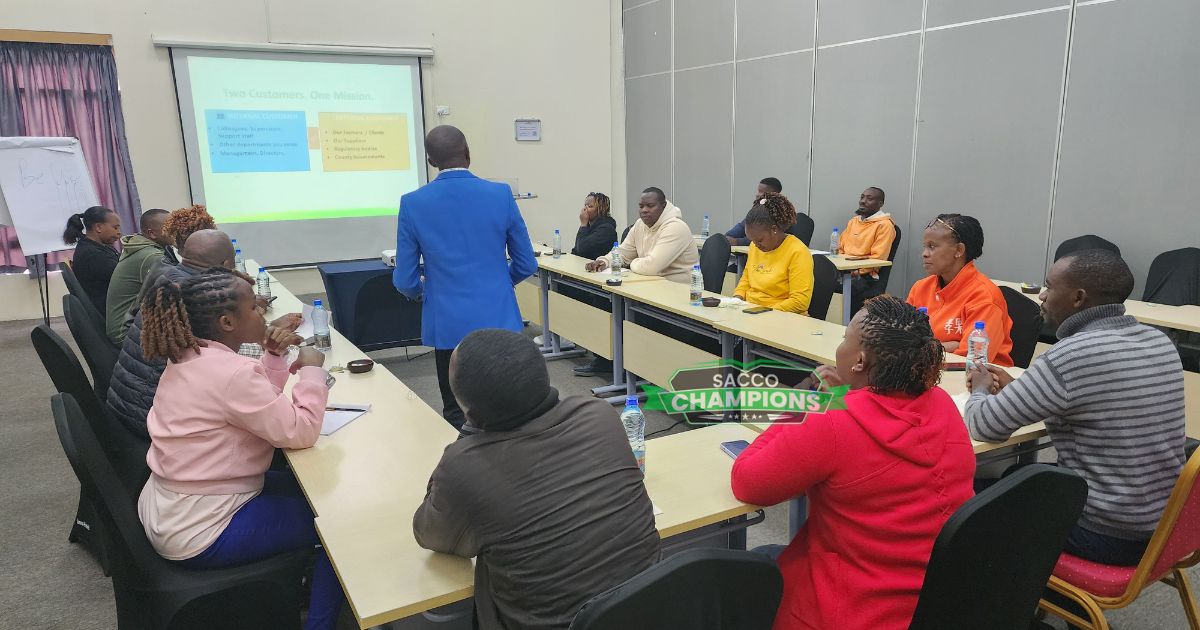
A SACCO with a well-trained board and a skilled team is hard to beat. One with untrained leaders is always one bad decision away from trouble. If you want to avoid that risk, you need to know how to book SACCO training in Kenya the right way. This guide shows boards, HR officers and managers exactly what to do, from picking a topic to finishing the session. You can also book directly at www.saccochampions.co.ke.
Why SACCO Training in Kenya Matters More Than Ever.
SACCOs hold the savings of millions of Kenyans. Members trust you with school fees, business capital and retirement plans. That trust is easy to lose when leaders make mistakes.
Regular SACCO training in Kenya helps you in four main ways:
- Better governance: Directors learn their roles, limits and duties, so decisions are fair and legal.
- Stronger compliance: Your team understands the rules from the Co-operative Societies Act and SASRA, so you avoid penalties.
- Lower risk: Staff learn how to handle loans, cash, fraud and member records safely.
- Higher growth: Skilled people serve members faster, and happy members bring more savings and new members.
Many SACCOs only look for training after a problem appears, such as a failed audit, a loan default crisis or a board dispute. The smartest SACCOs book training early. That is why learning how to book SACCO training in Kenya is a useful skill for every leader.

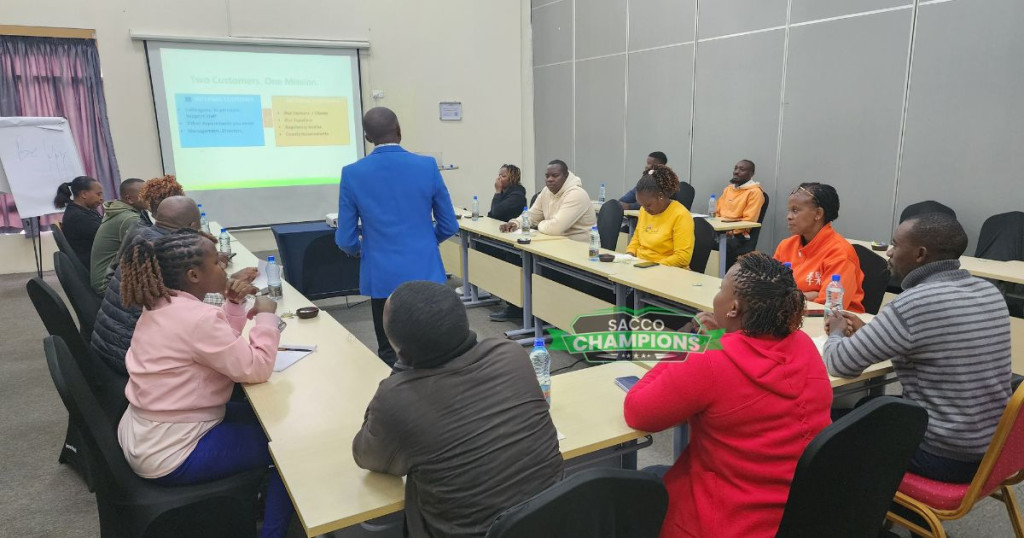
Who Needs SACCO Training? Boards, HR and Managers.
Training is not only for one group. Each group has different needs, so the right plan covers all of them.
1. SACCO board and directors. Board members need SACCO governance training. It covers their duties, conflict of interest, oversight of management and how to read financial reports.
2. Supervisory and credit committees. These committees need focused SACCO committee training on loan appraisal, internal controls and audit follow-up.
3. HR officers. HR teams need SACCO HR training that covers staff policies, performance reviews, succession planning and labour law basics.
4. Managers and CEOs. SACCO management training builds skills in strategy, budgeting, risk management and member service.
5. Frontline staff. Tellers, loan officers and customer care teams need SACCO staff training on service quality, record keeping and fraud awareness.
If you are not sure who should attend, start with the group that faces the biggest risk right now. You can always add more groups later.
How to Book SACCO Training in Kenya: Step-by-Step.
Here is the full process. Follow these steps in order and you will avoid wasted time and money.
Step 1: Identify Your SACCO’s Training Needs.
Before you contact any SACCO training provider, know what you need. Ask yourself these questions:
- What problems did our last audit or inspection point out?
- Which skills are missing in our board, committees or staff?
- Are we planning a new product, such as digital loans or a mobile app?
- Do we have new directors who need induction?
A short SACCO training needs assessment is the best way to answer these. Talk to department heads, read recent reports and survey your staff. A clear list of needs makes every other step easier.
Step 2: Set Clear Training Goals.
Turn your needs into goals you can measure. Weak goals say “improve governance.” Strong goals say “help all directors understand their legal duties and pass an internal governance review.”
Good goals are specific, realistic and linked to a result, such as fewer loan defaults, faster loan approvals or cleaner audit reports. Clear goals also help you judge later whether the training worked.
Step 3: Get Approval and Plan Your Budget.
Training usually needs approval from the board or management. Prepare a short note that explains why you need the training, who will attend and what results you expect.
Training costs depend on several things: the number of participants, the venue, the length of the program and how much customization you need. For this reason, ask for a custom quote instead of relying on a fixed price list. Make sure your SACCO training budget is part of the yearly work plan so approval is smooth.
Step 4: Choose a Trusted SACCO Training Provider.
This step matters most. The wrong provider wastes your time, while the right one changes how your SACCO runs. When comparing SACCO training providers in Kenya, check these points:
- Sector experience: Do they understand how SACCOs really work in Kenya?
- Qualified trainers: Look for facilitators with real SACCO, finance and governance experience.
- Up-to-date content: The training should reflect current SASRA expectations and industry trends.
- Customization: Can they adjust the program to your SACCO’s size, products and challenges?
- Practical methods: Case studies, group work and real examples work better than long lectures.
- Follow-up support: Good providers help after the session ends.
At Kenya Sacco Champions, programs are built around the real needs of SACCOs, so your team gets lessons they can use the next day.
Step 5: Pick the Right Training Format.
SACCO training comes in several formats. Choose the one that fits your people and schedule.
- In-house SACCO training: The trainer comes to your SACCO. This works well for large groups, sensitive topics and tailor-made content.
- Public SACCO training workshops: Several SACCOs send staff to one venue. This is useful for networking and small teams.
- Online SACCO training: Sessions run on video platforms. This suits busy teams and SACCOs in different regions.
- Residential retreats: Boards often use these for strategy planning and deep governance sessions away from the office.
Many SACCOs mix formats. For example, they train the board in a retreat and train staff online.
Step 6: Request a Custom Quote and Proposal.
Now contact your chosen provider. Send them clear information so they can give you an accurate proposal. Include:
- Your SACCO’s name, size and location
- The topics you need
- The number and type of participants
- Preferred dates and format
- Any special problems you want addressed
You can send your request through www.saccochampions.co.ke. A good provider will reply with a clear outline, a training schedule and a custom quote based on your needs.
Step 7: Confirm the Agenda and Training Materials.
Never skip this step. Ask to see the full agenda before you confirm. Check that the topics match your goals, the timing makes sense and enough time is given to practice and questions.
Ask about materials too. Good SACCO training courses give participants notes, templates, checklists and case studies they can keep. Ask whether participants will receive a certificate of attendance, since many SACCOs want proof of training for their records.
Step 8: Book Your Dates and Confirm the Details.
Once you are happy, confirm your booking in writing. Agree on:
- The dates and times.
- The venue or online platform.
- The final list of participants.
- Payment terms and timelines.
- Any equipment or room setup needed.
Book early. Popular dates, such as year-end and the period before AGMs, fill up fast. Booking at least a few weeks ahead gives everyone time to prepare.
Step 9: Prepare Your Team Before the Training.
Preparation makes training far more useful. Tell participants why they are attending and what is expected of them. Share the agenda in advance. Ask each person to bring one real challenge from their work, and the trainer can often use these as examples.
Step 10: Attend, Take Part and Measure Results.
During the session, encourage active participation. Ask questions, share experiences and complete the exercises. After the training, check progress against the goals you set in Step 2. Collect feedback, review how people are using what they learned and decide if follow-up sessions are needed.
Popular SACCO Training Programs You Can Book.
Here are some of the most requested SACCO training programs in Kenya. Use this list to match topics to your needs.
- SACCO governance and board training: Roles, duties, ethics and oversight for directors.
- SACCO leadership training: Decision-making, communication and team building for leaders.
- SACCO risk management training: Credit, liquidity, operational and fraud risk.
- SACCO compliance and SASRA training: Regulations, reporting and inspection readiness.
- SACCO credit and loan management training: Appraisal, recovery and reducing non-performing loans.
- SACCO financial management training: Reading statements, budgeting and cost control.
- SACCO customer service training: Better member experience and faster service.
- SACCO digital transformation training: Mobile banking, apps and data security.
- SACCO strategic planning training: Setting goals and building a growth plan.
- SACCO director induction: A strong start for newly elected board members.
Each program can be customized. A small SACCO and a large deposit-taking SACCO have different needs, and good training should reflect that.
Common Mistakes to Avoid When Booking SACCO Training.
Many SACCOs repeat the same errors. Avoid these:
- Choosing by cost alone. The cheapest option rarely gives the best results. Look at value, not just price.
- Skipping the needs assessment. Without it, you may train people on topics they do not need.
- Training only once. Rules and risks change. Plan regular refreshers, ideally every year.
- Leaving out key people. If the board is not trained but staff are, the gap remains.
- Booking too late. Last-minute bookings limit your options and add stress.
- Ignoring follow-up. Training without follow-up soon fades.
How to Get the Best Value From Your SACCO Training.
Booking is only half the job. Here is how to make the money count.
- Link training to your strategic plan. Each session should support a real goal.
- Train in groups. When the board and managers learn together, they speak the same language.
- Turn lessons into action plans. Ask participants to list three changes they will make within 30 days.
- Share what you learned. Let attendees brief colleagues who did not attend.
- Review yearly. Make training a regular part of your work plan, not a one-time event.
Why Book SACCO Training With Kenya Sacco Champions.
Choosing the right partner makes the whole process easy. Kenya Sacco Champions focuses on practical SACCO training in Kenya for boards, HR teams, managers and staff. Programs are tailored, easy to follow and built around real SACCO challenges. You get clear communication from the first inquiry to the final session.
Whether you need a one-day workshop or a full year of capacity building, you can start in minutes at www.saccochampions.co.ke.
Frequently Asked Questions About How to Book SACCO Training in Kenya.
1. How do I book SACCO training in Kenya?
Start by listing your training needs and goals. Then choose a trusted provider, request a custom quote, confirm the agenda and book your dates in writing. You can begin the process at www.saccochampions.co.ke.
2. How early should I book SACCO training?
Book at least three to four weeks ahead. If you need a residential retreat or training for a large group, book even earlier. Peak periods before AGMs and at year-end fill up quickly.
3. Who should attend SACCO training?
Board members, supervisory and credit committee members, HR officers, managers and frontline staff can all benefit. The best results come when different levels train on topics that match their roles.
4. How much does SACCO training cost?
The cost depends on the number of participants, the venue, the length of the program and how much customization you need. Request a custom quote from your provider based on your exact needs.
5. Can I get in-house SACCO training at my office?
Yes. In-house SACCO training is one of the most popular options. The trainer visits your premises, which saves travel time and lets the content focus on your SACCO’s own challenges.
6. Is online SACCO training available?
Yes. Online SACCO training is useful for busy teams and SACCOs with branches in different counties. Sessions can be live and interactive, with the same practical content as in-person training.
7. What topics are covered in SACCO training courses?
Common topics include governance, leadership, risk management, SASRA compliance, credit management, financial management, customer service and digital transformation. Topics can be customized to your needs.
8. How long does SACCO training take?
It can range from a few hours to several days, depending on the topic and audience. Board induction may take one or two days, while a full management program may be spread over several weeks.
9. Will participants get a certificate?
Many providers give certificates of attendance. Confirm this when you request your quote so that it is included in your agreement.
10. How do I know if a SACCO training provider is good?
Check their experience with SACCOs, the quality of their trainers, how current their content is and whether they offer customization and follow-up. Reviewing their programs at www.saccochampions.co.ke is a good place to start.
Conclusion: Book Your SACCO Training Today.
Learning how to book SACCO training in Kenya is one of the smartest steps a board, HR team or manager can take. The process is simple: assess your needs, set clear goals, get approval, choose a trusted provider, pick the right format, confirm the details and prepare your team. Follow these steps and your training will deliver real results.
A trained SACCO makes better decisions, stays compliant, protects member funds and grows with confidence. An untrained one leaves too much to chance. Do not wait for an audit query or a board dispute to act.
Take the first step today. Visit www.saccochampions.co.ke, tell the team what your SACCO needs and get a custom training plan built for you. Your members trust you with their future, so give your leaders the skills to protect it.