
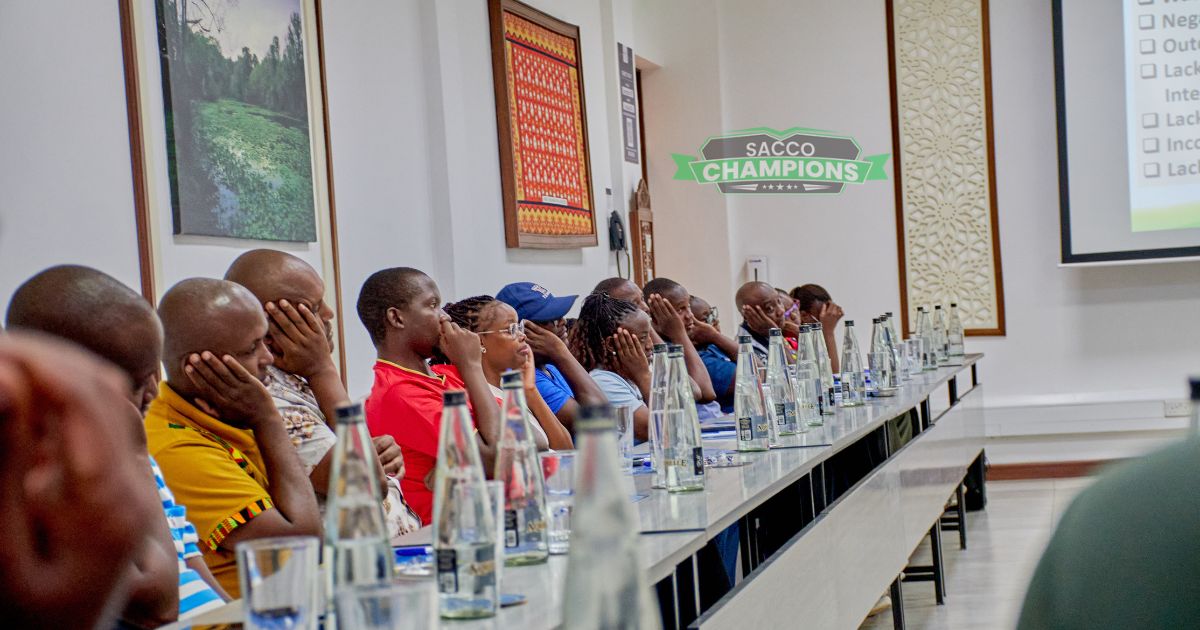
One careless transaction can put a SACCO’s name, its members’ savings and its licence at risk. That is why Anti-Money Laundering Training in Kenya is now a must-have for every cooperative that handles member money. When staff and board members know how to spot dirty money, they stop problems before they start. At www.saccochampions.co.ke, SACCOs can find practical AML programs built for Kenyan cooperative teams. This guide explains what the training covers, who needs it and how to choose the right program.
What Is Anti-Money Laundering Training in Kenya?
Money laundering is the process of making illegal money look clean. Criminals take money from crimes such as fraud, corruption or tax evasion and move it through banks, mobile money, businesses and SACCOs until it looks like honest income. Anti-Money Laundering Training in Kenya teaches staff, managers and board members how to detect these activities, stop them and report them the right way.
Good AML training also covers the fight against terrorist financing. This is why you will often see the term AML/CFT training. The best programs are simple and practical. They use real SACCO examples, short case studies and clear step-by-step procedures, so every learner leaves knowing exactly what to do on the job.
Why Anti-Money Laundering Training in Kenya Matters for SACCOs.
SACCOs handle large amounts of member savings, loans, shares and mobile money every day. Many also deal in cash. Criminals know that smaller financial institutions may have weaker controls than banks, so they look for gaps. If your team is not trained, your SACCO could become an easy target without even knowing it.
Here are the main reasons SACCOs need AML compliance training:
- To protect member savings. One serious case can damage trust that took years to build.
- To meet the law. Kenyan law expects financial institutions to know their customers and report suspicious activity.
- To avoid penalties. Failing to follow AML rules can lead to fines, regulatory action and legal trouble for the SACCO and its officers.
- To protect your licence and reputation. Regulators and members both expect strong controls.
- To handle digital growth safely. Mobile banking, agency services and online loans bring new risks that staff must understand.
Kenyan AML Laws and Regulators Every SACCO Should Know.
Good training starts with the rules. Here are the key laws and bodies that shape AML work for SACCOs in Kenya:
- Proceeds of Crime and Anti-Money Laundering Act (POCAMLA): This is the main law. It makes money laundering a crime and sets duties for reporting institutions, such as customer identification, record keeping and reporting suspicious transactions.
- Financial Reporting Centre (FRC): This is the national body that receives and studies suspicious transaction reports and shares findings with law enforcement.
- SACCO Societies Regulatory Authority (SASRA): This regulator supervises deposit-taking SACCOs and expects strong governance, internal controls and compliance systems.
- Prevention of Terrorism laws: These cover terrorist financing and the freezing of related funds.
- FATF standards: These are global AML/CFT standards that Kenya works to follow.
Laws and regulations can change, so a good trainer will always update the content to match the latest requirements. Your SACCO should also confirm current rules directly with the regulators.
Who Should Attend AML Training for SACCO Staff and Boards?
AML is not only the work of one compliance officer. Every person who touches member money or member information plays a part. The most effective SACCO staff training in Kenya includes:
- Board members and the supervisory committee: They set the tone, approve policies and are responsible for oversight.
- CEOs and senior managers: They put the policies into action and report to the board.
- Front office staff and tellers: They are the first line of defence and see unusual behaviour first.
- Credit and loan officers: They check the source of funds and the purpose of loans.
- Finance and accounts staff: They review large or unusual entries.
- Risk, compliance and internal audit teams: They design, test and monitor AML controls.
- ICT and mobile banking staff: They manage systems that track transactions.
- The Money Laundering Reporting Officer (MLRO): This person files reports and needs advanced skills.
Key Topics in AML/CFT Training for SACCOs.
A strong program should cover both the theory and the daily practice. Look for these 10 topics:
- Money laundering basics: The three stages, which are placement, layering and integration, explained with simple SACCO examples.
- POCAMLA and AML/CFT regulations: What the law requires from your SACCO and from you personally.
- KYC and customer due diligence (CDD): How to verify identity, understand the member and know the source of funds. This also covers enhanced due diligence for higher-risk members.
- Politically exposed persons (PEPs) and beneficial ownership: How to identify high-risk individuals and the real owners behind groups, companies and accounts.
- Risk-based approach and AML risk assessment: How to rate members, products and delivery channels by risk level.
- Suspicious transaction reporting (STR): What to report, when to report and how to file with the FRC.
- Record keeping and data protection: How long to keep records and how to protect member information.
- Transaction monitoring: How to track cash deposits, mobile money, loan repayments and unusual account activity.
- Sanctions screening and terrorist financing: How to check names against official lists and respond to matches.
- Roles, duties and the “tipping off” rule: Who does what in the SACCO, and why you must never warn a member that a report has been filed.
Types of Anti-Money Laundering Training Programs Available.
Not every SACCO has the same size, products or risks. The right program depends on your team and goals. These are the most common options:
- AML training for board members: A focused session on oversight, policy approval and board responsibilities.
- Frontline staff AML training: Practical lessons for tellers and member service staff on spotting red flags and handling cash.
- MLRO and compliance officer training: Advanced content on reporting, investigations and regulator engagement.
- Customized in-house AML training: A program built around your SACCO’s products, members and risk level.
- Refresher and annual compliance training: Short updates that keep your team sharp and your records ready for inspection.
- Combined programs: AML mixed with fraud prevention, governance or credit risk training for a complete financial crime prevention approach.
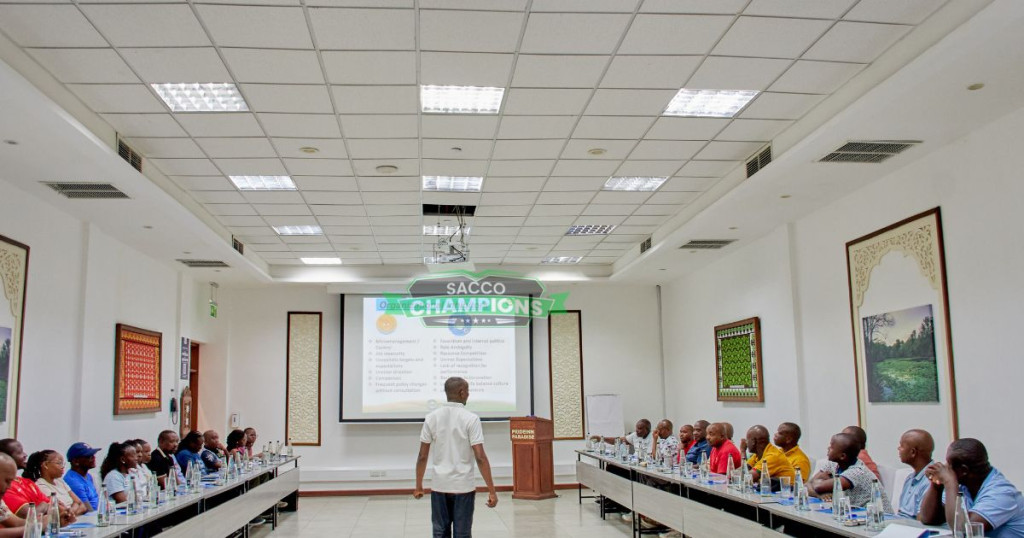
Training can be held at your SACCO offices or at a conference venue in cities such as Nairobi, Nakuru, Mombasa and Eldoret. Many SACCOs prefer a one-day or two-day workshop so staff do not stay away from work for too long. You can explore program options at www.saccochampions.co.ke.
Money Laundering Red Flags in a SACCO.
One of the most useful skills your team will learn is how to notice warning signs. Here are common money laundering red flags:
- A member makes large cash deposits that do not match their known income or business.
- Deposits are split into many small amounts to avoid attention, which is called structuring.
- A member repays a loan very early or in a large lump sum with no clear source of funds.
- A member is unwilling to give identification or gives false or confusing information.
- Many unrelated people deposit money into one account.
- Money moves in and out quickly with no clear purpose.
- A member shows too much interest in SACCO reporting rules or tries to pressure staff.
- The member’s lifestyle or transactions do not fit their stated job or business.
A red flag does not always mean a crime has happened. It means staff should look closer, ask questions and report the matter through the right channel.
Benefits of AML Compliance Training for Your SACCO.
Investing in training brings clear returns. Here is what your SACCO gains:
- Stronger compliance: Your team understands POCAMLA compliance and SASRA compliance duties and follows them every day.
- Lower risk of fraud and financial crime: Trained staff catch problems earlier.
- Better member trust: Members feel safe when they see that their SACCO takes financial crime seriously.
- Confident staff: Employees know what to do when something looks wrong, which reduces mistakes and stress.
- Better inspection results: Training records, policies and reports show regulators that your SACCO is serious.
- A healthier culture: When everyone understands their role, honesty and accountability become part of daily work.
How to Choose the Best AML Training Provider in Kenya.
Not all trainers are the same. Use this checklist when you compare providers:
- Experience with SACCOs: The trainer should understand cooperative operations, not just banking.
- Up-to-date content: The material must reflect current Kenyan laws and regulator expectations.
- Practical methods: Look for case studies, group work and real examples instead of long lectures.
- Customization: The program should fit your SACCO’s size, products and risk areas.
- Flexible delivery: Check that the provider can train on-site or at a suitable venue.
- Clear outcomes: Ask for a training outline, learning goals and a certificate of attendance.
- Good references: Ask about past SACCO clients and their feedback.
Kenya Sacco Champions at www.saccochampions.co.ke focuses on SACCO training programs for boards, managers and staff, so the content stays relevant to your daily work.
How to Book Anti-Money Laundering Training in Kenya.
Booking is simple when you follow a clear process:
- Define your goal. Decide whether you need board training, staff training or a full compliance refresher.
- Count your participants. Group size helps shape the program and the venue.
- Choose your dates and location. Pick a time that suits your calendar and a place that suits your team.
- Contact the provider. Share your needs and ask for a customized proposal and quotation.
- Confirm the outline. Review the topics and make sure they match your risks.
- Attend and apply. After the session, update your policies and give staff clear action steps.
You can request a tailored program through www.saccochampions.co.ke.
Common AML Mistakes SACCOs Should Avoid.
Even well-meaning SACCOs make errors that training can fix. Watch out for these:
- Treating AML as a one-person job instead of a team responsibility.
- Training staff once and never again.
- Skipping proper member identification to save time.
- Failing to document decisions and reports.
- Ignoring digital and mobile money risks.
- Leaving the board out of training.
Frequently Asked Questions About Anti-Money Laundering Training in Kenya.
1. What is Anti-Money Laundering Training in Kenya?
It is a program that teaches staff and board members how to prevent, detect and report money laundering and terrorist financing. It covers Kenyan law, KYC, red flags and reporting duties.
2. Why do SACCOs need AML training?
SACCOs handle member money and cash, so they can be targeted by criminals. Training helps protect members, meet legal duties and avoid penalties.
3. Which law governs money laundering in Kenya?
The main law is the Proceeds of Crime and Anti-Money Laundering Act, known as POCAMLA. Other laws on terrorism financing also apply.
4. Who should attend AML training in a SACCO?
Board members, managers, tellers, credit officers, finance staff, auditors, compliance officers and the MLRO should all attend. Everyone who handles member money or data has a role.
5. What is KYC and why does it matter?
KYC means Know Your Customer. It is the process of verifying a member’s identity and understanding their source of funds, which helps stop criminals from using your SACCO.
6. What is a suspicious transaction report?
It is a report sent to the Financial Reporting Centre when a transaction looks unusual or linked to crime. Staff should report through the proper channel and never tip off the member.
7. How long does AML training take?
Most programs last one to three days, depending on the audience and depth. Short refresher sessions are also available. A provider like www.saccochampions.co.ke can design the schedule to fit your needs.
8. Can AML training be customized for my SACCO?
Yes. A good provider adjusts the content to your products, member profile, size and risk areas, so the training feels practical and relevant.
9. How often should SACCO staff take AML training?
Staff should be trained when they join and then receive refresher training regularly, especially when laws or products change. Many SACCOs do it every year.
10. How can I book AML training for my SACCO?
Contact a trusted SACCO training provider, share your goals and group size, and request a proposal. You can start at www.saccochampions.co.ke.
Conclusion: Protect Your SACCO With Anti-Money Laundering Training in Kenya.
Money laundering is a real risk, and it can hurt even the best-run SACCO. The strongest defence is a team that knows the law, spots red flags early and reports with confidence. Anti-Money Laundering Training in Kenya gives your board, managers and staff that power. It protects member savings, supports regulatory compliance and builds long-term trust.
Do not wait for a problem to force your hand. Train your team now and make compliance part of your culture. Visit www.saccochampions.co.ke today to explore practical AML programs and book a customized session for your SACCO.