

One weak board decision can cost a SACCO years of member trust. Strong directors, on the other hand, protect savings, grow loans safely and keep the society running well. That is why SACCO Training Programs for Board Members are now a top priority for cooperatives across Kenya. At www.saccochampions.co.ke, Kenya Sacco Champions helps boards build the governance skills they need to lead with confidence. This guide explains the key skills, topics and steps to choose the right program.
Why SACCO Training Programs for Board Members Matter.
A SACCO board holds members’ money in trust. Directors approve policies, watch management, protect assets and answer to members at every AGM. Yet many directors are elected for their popularity or years of membership, not for their governance skills. Without training, good people can make costly mistakes.
Proper SACCO board training in Kenya closes this gap. It gives directors clear knowledge of their roles, the law and good practice. It also helps the board ask better questions, read financial reports and spot early warning signs. You can explore tailored options at www.saccochampions.co.ke.
Who Should Attend SACCO Board Training in Kenya?
Training is not only for the chairperson. The whole governance team gains when everyone learns together. Key groups include:
- Newly elected directors who need SACCO board induction training.
- Serving directors who need refresher and compliance updates.
- Supervisory committee members who oversee audits and controls.
- Credit committee members who approve and review loans.
- Board chairpersons, vice chairpersons and treasurers.
- Aspiring candidates preparing for AGM elections.
- CEOs and senior managers who work closely with the board.
The Legal Framework Behind SACCO Governance Training.
Kenyan SACCOs work under clear laws and rules. These include the SACCO Societies Act, the Co-operative Societies Act and the regulations issued by SASRA for deposit-taking SACCOs. Each SACCO also has its own by-laws that guide how the board works. Directors must know all of these, because not knowing the rules is never accepted as a defence.
Good SASRA compliance training helps directors understand fit and proper requirements, reporting duties and prudential standards. It also shows how to avoid penalties and keep the SACCO trusted by members and regulators. Our programs at www.saccochampions.co.ke are built around current regulatory practice.

10 Essential Skills in SACCO Training Programs for Board Members.
Effective SACCO governance training focuses on practical skills that directors use every month. Here are the ten that matter most:
- Governance and fiduciary duties. Directors must act in good faith, with care and in the best interest of members. Training explains the duty of loyalty, the duty of care and how to avoid conflict of interest. It also shows the difference between governing and managing.
- Financial management for SACCO directors. Every director should read a balance sheet, income statement and cash flow report with ease. Financial management training covers capital adequacy, liquidity, loan portfolio quality and budget control. These skills help the board ask sharp questions.
- SACCO risk management. Credit risk, liquidity risk, fraud risk and cyber risk can all hurt a SACCO. Risk management training teaches directors how to set risk appetite, review risk reports and build early warning systems.
- Credit policy and loan portfolio oversight. Loans are the heart of a SACCO, so boards must guard them closely. Directors learn how to review lending policies, track non-performing loans and support fair, safe lending without interfering in daily approvals.
- Internal controls and audit oversight. Strong controls stop fraud before it starts. Directors learn how to work with internal and external auditors, respond to audit findings and follow up on corrective actions until they are closed.
- Strategic planning and performance monitoring. A board should guide where the SACCO is going. Training shows how to set a vision, approve a strategic plan and track key indicators such as growth, profitability and member satisfaction.
- Regulatory compliance and AML/CFT. Boards must make sure the SACCO follows the law and guards against money laundering. Directors learn about customer due diligence, suspicious transaction reporting and the board’s role in building a culture of compliance.
- Ethics, integrity and conflict of interest. Trust is a SACCO’s greatest asset. Training covers codes of conduct, declaring interests, handling gifts and making fair decisions, even when the choice is unpopular.
- Effective board meetings and decision-making. Good meetings need clear agendas, accurate minutes and respectful debate. Directors practise leading discussions, building consensus and recording resolutions properly.
- Member communication and AGM leadership. Members want honest and regular updates. Directors learn how to prepare for the AGM, present reports clearly, handle tough questions and rebuild trust after a difficult year.
Together, these skills form the backbone of effective SACCO governance. See how they fit your board.
Key Topics in SACCO Board of Directors Training.
A complete program usually mixes law, finance and leadership. Common modules include:
- Roles and responsibilities of the board, committees and management.
- The SACCO Societies Act and SASRA guidelines.
- Reading and analysing financial statements.
- Board committees: credit, audit, supervisory and nominations.
- Succession planning and CEO performance reviews.
- Digital transformation and ICT governance.
- Member education and customer service.
- Governance of SACCO investments, dividends and interest on deposits.
Types of SACCO Board Training Programs.
Not every board has the same needs, so choose the format that fits yours:
- Induction training: for newly elected directors, helping them start strong in their first weeks.
- Refresher courses: for serving directors, covering law changes and fresh governance trends.
- In-house training: held at your SACCO offices, which is convenient and flexible.
- Residential workshops: held at a hotel or retreat away from daily distractions, which allows deep focus and team bonding.
- Online and hybrid sessions: ideal for boards spread across several counties.
Customized SACCO training programs can match any of these formats to your goals, your size and your calendar.
Benefits of SACCO Leadership Training for Directors.
The return on good board training shows up in the numbers and in member trust. A well-trained board delivers:
- Better decisions backed by facts, not guesswork.
- Stronger SASRA and legal compliance.
- Lower risk of fraud, loan losses and disputes.
- Smoother AGMs and better member relations.
- Clear roles between the board and management.
- Higher member trust, savings and loan growth.
- Confident, united directors who work as a team.
In short, training is not a cost to avoid. It is a protection for member savings and for the SACCO’s good name.
Common Governance Problems That Training Solves.
Many SACCOs struggle with the same issues. Targeted SACCO governance training helps fix them:
- Directors interfering in daily management.
- Weak understanding of financial reports.
- Poor loan recovery and rising delinquency.
- Conflicts among directors or with the CEO.
- Late or incomplete regulatory returns.
- Low member participation and noisy AGMs.
When directors know their role and the rules, these problems shrink quickly.
How to Choose the Best SACCO Board Training Company.
The right trainer makes the difference between a boring lecture and a real change in your boardroom. Look for these six things:
- Proven SACCO experience in Kenya. The trainer should understand how SACCOs really work.
- Knowledge of the law and SASRA rules. Content must be accurate and current.
- Practical methods. Case studies, role plays and group work beat long slide shows.
- Customized content. A good provider studies your SACCO before designing the program.
- Follow-up support. Look for training materials, certificates and action plans.
- Good references. Ask for feedback from other boards they have trained.
How a SACCO Board Training Workshop Works.
A well-planned program follows a simple path:
- Needs assessment: the trainer learns your challenges, goals and board profile.
- Program design: topics, case studies and schedule are tailored to your SACCO.
- Delivery: interactive sessions, discussions and practical exercises.
- Action planning: directors turn lessons into clear next steps.
- Follow-up: progress is reviewed so the learning sticks.
Why Choose Kenya Sacco Champions for Board Training.
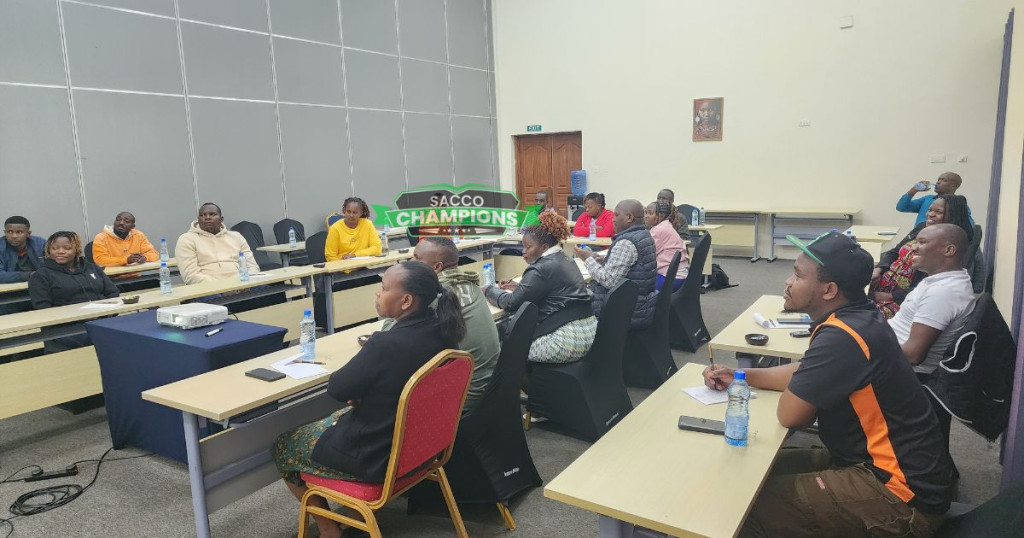
Kenya Sacco Champions focuses on practical SACCO training that boards can use right away. Programs are customized for boards, supervisory committees, management teams and delegates, and they can be held at your premises or at a venue of your choice. The approach is simple: clear language, real SACCO examples and lessons that improve governance from the first day.
If you want a stronger board, visit www.saccochampions.co.ke to share your needs and request a customized quote.
Frequently Asked Questions About SACCO Training Programs for Board Members.
1. What are SACCO training programs for board members?
They are structured courses that teach directors their legal duties, financial oversight skills and leadership practices. Programs cover governance, risk, compliance and member relations.
2. Why is board training important for a SACCO?
The board controls members’ savings and guides the whole society. Training reduces costly mistakes, improves compliance and builds member trust.
3. Who should attend SACCO board training?
All directors, supervisory and credit committee members, and senior managers who work with the board. New directors benefit most from induction training.
4. How long does SACCO board training take?
It depends on your goals and topics. Programs can run from a short one-day session to several days. Customized schedules are possible.
5. Is SACCO board training required by law?
Rules expect directors to be fit and proper and to carry out their duties with care. Regular training is the best way to build and show that competence. Check your by-laws and SASRA guidance for details.
6. What topics are covered in SACCO governance training?
Common topics include fiduciary duties, financial analysis, risk management, credit oversight, internal controls, AML/CFT, ethics and AGM leadership.
7. Can the training be customized for my SACCO?
Yes. A good provider adjusts the content to your size, your challenges and your board’s experience.
8. Where can the training take place?
It can be held at your SACCO offices, at a hotel or conference venue, or online. Residential workshops help boards focus and bond as a team.
9. How much does SACCO board training cost?
Cost depends on the number of directors, the number of days, the venue and the level of customization. Contact Kenya Sacco Champions through www.saccochampions.co.ke for a quote that fits your needs.
10. How do I book SACCO training programs for my board?
Visit www.saccochampions.co.ke, share your goals, your number of participants and your preferred dates. The team will guide you through the next steps.
Conclusion: Build a Stronger SACCO Through Board Training.
A SACCO is only as strong as the people who lead it. When directors understand governance, finance, risk and compliance, they make wiser decisions and protect what members have worked hard to save. SACCO Training Programs for Board Members give your board the knowledge, confidence and unity to do exactly that.
Do not wait for an audit query, a loan crisis or a noisy AGM to prove the need. Invest in your board today. Visit www.saccochampions.co.ke to book a customized program with Kenya Sacco Champions and lead your SACCO towards safe, steady and lasting growth.