
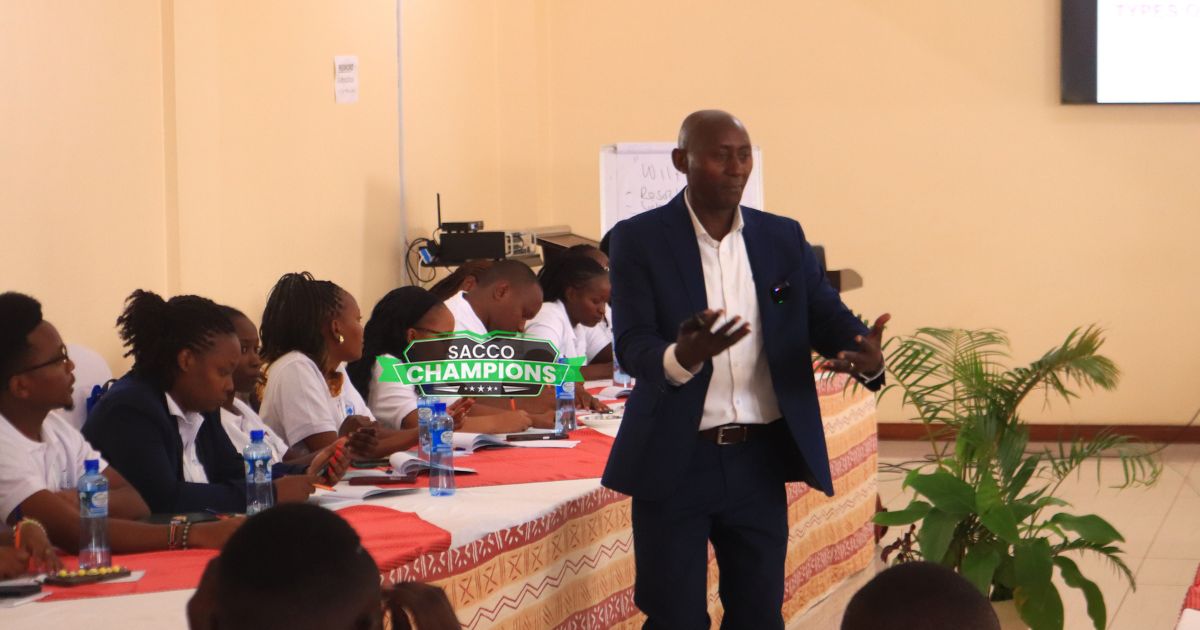
One weak board decision can put years of member savings at risk. Strong directors protect that trust every day. That is why SACCO Board of Directors Training in Kenya has become a top priority for cooperatives that want to grow safely. At www.saccochampions.co.ke, we help SACCO boards turn their duties into clear skills and confident decisions.
This guide explains what board training covers, why it matters, and how to choose the right program for your SACCO.
What Is SACCO Board of Directors Training in Kenya?
SACCO Board of Directors Training in Kenya is a structured program that prepares elected and appointed directors to lead their SACCO well. It teaches directors what the law expects of them, how to read financial reports, how to manage risk, and how to work with management without crossing the line into daily operations.
Many directors are elected at the AGM because members trust them. They may be teachers, farmers, business owners or retired professionals. They are often capable people, but running a financial institution is a specialized job. SACCO board training closes that gap.
Good programs cover three big areas:
- Governance: the rules, structures and policies that guide the SACCO.
- Leadership: the skills to guide strategy, people and change.
- Fiduciary responsibility: the legal duty to act honestly and protect member funds.
You can explore programs built around these areas at www.saccochampions.co.ke.
Why SACCO Board Training Matters in Kenya Today.
Kenyan SACCOs hold large amounts of member savings, and members expect safe growth, fair dividends and affordable loans. At the same time, SACCOs face rising loan defaults, fraud attempts, cyber risks, tougher compliance rules and more informed members.
Without proper SACCO governance training, boards often struggle with problems like these:
- Approving loans or projects without enough information.
- Mixing board roles with management roles.
- Weak oversight of the CEO and finance team.
- Poor handling of conflicts of interest.
- Delays in meeting regulatory requirements.
Trained directors avoid these mistakes. They ask better questions, read reports with confidence and make decisions that protect members. In short, board capacity building is one of the cheapest ways to prevent expensive governance failures.


SACCO Governance Training for Directors: What You Will Learn.
Governance is the foundation of every strong SACCO. Corporate governance training for SACCOs teaches directors how authority is shared and how decisions should be made.
Understanding the SACCO Legal and Regulatory Framework.
Directors must know the laws and rules that shape their SACCO. A good program explains the Co-operative Societies Act, the SACCO Societies Act and the role of regulators such as SASRA for deposit-taking SACCOs and the cooperative authorities for others. It also covers your by-laws, which act like the SACCO’s own constitution. Because rules change, a good trainer always updates this section with the latest requirements.
Board Structure, Committees and Roles.
Directors learn the difference between the board, the supervisory committee, the credit committee and management. They also learn who does what, including the chairperson, vice chairperson, treasurer and secretary. Clear roles prevent power struggles and keep the SACCO running smoothly.
Policies, Ethics and Conflict of Interest.
A strong board sets policies and follows them. Training covers codes of conduct, declaration of interests, loan rules for directors, and how to handle situations where a director’s personal interest clashes with the SACCO’s interest. Ethical behavior at the top sets the tone for the whole organization.
Effective Board Meetings and Decision-Making.
Many boards waste time in long, unfocused meetings. SACCO director training shows how to prepare agendas, read board packs, record minutes, follow up on resolutions and reach decisions fairly. It also teaches how to handle disagreement without damaging relationships.
Leadership Training for SACCO Board Members.
Governance gives structure, but leadership gives direction. SACCO board leadership training helps directors guide the SACCO toward a clear future.
Strategic Planning and Vision.
Directors learn how to set a realistic strategic plan with clear goals for membership growth, savings mobilization, loan quality and new products. They learn to track progress with simple indicators and adjust the plan when the market changes.
Working with Management.
The board sets direction and management carries it out. Training teaches directors how to hire, support and evaluate the CEO, how to give feedback and how to avoid interfering in daily work. When the board and management respect each other’s roles, performance improves.
Communication and Member Relations.
Members want honest and regular updates. Directors learn how to communicate results, handle complaints, run a successful AGM and build trust. Strong member relations reduce rumors, protect the SACCO’s reputation and encourage loyalty.
Change Management and Digital Leadership.
Mobile banking, online loan applications and digital records are now common in SACCOs. Directors do not need to be technical experts, but they must understand digital risks and opportunities so they can approve the right investments and ask the right security questions.
Want a program that builds these leadership skills? Visit www.saccochampions.co.ke to learn more.
Fiduciary Responsibilities of SACCO Directors.
This is the most important part of any SACCO board of directors training program. A fiduciary is a person trusted to manage someone else’s money. As a director, you hold member funds in trust.
Core Fiduciary Duties.
- Duty of care: Make decisions with the same care a wise person would use for their own money. This means reading reports, asking questions and attending meetings.
- Duty of loyalty: Put the SACCO and its members first, not your personal gain, family or friends.
- Duty of obedience: Follow the law, the by-laws and the SACCO’s policies.
- Duty of confidentiality: Protect sensitive member and business information.
- Duty of accountability: Be ready to explain your decisions to members, regulators and auditors.
What Happens When Directors Fail These Duties.
Directors can face serious consequences when they ignore these duties. These may include removal from office, loss of public trust, regulatory action and, in some cases, personal liability. Training helps directors understand their risks and how to protect themselves by following proper processes and keeping good records.
Practical Ways to Protect Member Funds.
Fiduciary training for SACCO directors turns ideas into daily habits. Directors learn to:
- Review monthly financial statements carefully.
- Question unusual transactions or large loans.
- Make sure the credit policy is followed.
- Support internal audit and the supervisory committee.
- Insist on clear records for every decision.
Key Topics in a SACCO Board of Directors Training Program.
A complete program should cover more than theory. Here are the topics that high-quality SACCO board training in Kenya usually includes:
- Roles and responsibilities of SACCO directors.
- SACCO laws, regulations and compliance.
- Financial literacy for board members.
- Reading and understanding financial statements.
- Risk management and internal controls.
- Credit management and loan portfolio oversight.
- Liquidity and capital adequacy basics.
- Fraud prevention and anti-money laundering awareness.
- Strategic planning and performance monitoring.
- Board evaluation and succession planning.
- AGM preparation and member engagement.
- Ethics, integrity and conflict of interest.
Each topic should include real SACCO examples, group discussions and practical exercises so directors can apply what they learn on Monday morning.
Financial Literacy for SACCO Directors.
Many board problems start with weak financial understanding. SACCO financial management training for directors teaches how to read the balance sheet, income statement and cash flow report. Directors learn to spot warning signs such as rising loan arrears, falling liquidity, high operating costs and slow growth in core capital.
They also learn key ratios in simple language, such as the portfolio at risk, the loan-to-deposit ratio and the cost-to-income ratio. When directors understand the numbers, they can challenge management in a respectful and informed way.
Risk Management and Internal Controls for SACCO Boards.
Every SACCO faces risk, including credit risk, liquidity risk, operational risk, fraud risk and compliance risk. The board owns the responsibility for risk oversight, even if management handles daily controls.
Training shows directors how to approve a risk appetite, review risk reports and support a strong internal audit function. It also explains how to respond quickly when red flags appear. A board that understands risk can protect the SACCO before small problems become big losses.
Who Should Attend SACCO Board of Directors Training?
The best results come when the whole leadership team learns together. Consider sending:
- Newly elected directors, as part of board induction training.
- Serving directors who need a refresher.
- Chairpersons and vice chairpersons.
- Treasurers and secretaries.
- Supervisory committee members.
- Credit committee members.
- CEOs and senior managers who work closely with the board.
- Aspiring directors who plan to vie in future elections.
Training the board and management together improves teamwork and ensures everyone speaks the same governance language.
Benefits of SACCO Board Training for Your Cooperative.
Investing in director capacity brings clear returns:
- Better decisions: Directors understand the facts and risks before they vote.
- Stronger compliance: Fewer penalties and smoother audits.
- Lower fraud risk: Active oversight discourages misuse of funds.
- Higher member trust: Members see a professional and accountable board.
- Improved performance: Clear strategy leads to healthier loans, savings and dividends.
- Smooth leadership transitions: New directors settle in faster.
Common Mistakes SACCO Boards Make.
Knowing the usual traps helps you avoid them. Frequent problems include:
- Directors acting like managers and interfering in daily work.
- Approving loans because of friendship or pressure.
- Ignoring audit and supervisory committee recommendations.
- Skipping induction for new directors.
- Holding meetings without proper papers or follow-up.
- Failing to plan for succession before terms end.
A good training program addresses each of these with practical solutions.
How to Choose the Best SACCO Board Training Provider in Kenya.
Not every trainer understands the SACCO world. When comparing providers, look for these qualities:
- SACCO-specific experience: The trainer should know SACCO operations, not just general business.
- Updated content: Programs should reflect current laws, regulator expectations and industry trends.
- Practical methods: Case studies, role plays and group work beat long lectures.
- Customization: Training should match your SACCO’s size, products and challenges.
- Flexible delivery: Options for in-house sessions, residential retreats and training venues near Nairobi or other towns.
- Clear follow-up: Good providers give materials, action plans and support after the session.
www.saccochampions.co.ke offers SACCO-focused programs designed around these needs, so your board gets training that fits real situations.
Training Formats: In-House, Residential and Customized Programs.
Boards can choose the format that works best for them:
- In-house training: The trainer comes to your SACCO. This is convenient and focuses on your own issues.
- Residential retreats: Directors leave the office for a few days, which helps them focus and bond as a team.
- Short workshops: Useful for a single topic, such as financial literacy or AGM readiness.
- Customized programs: Content is built around your needs, such as governance reform, risk or strategy.
Because every SACCO is different, costs depend on the number of participants, location, duration and customization. For that reason we do not list fixed prices here. Contact the team for a tailored quotation.
How to Book SACCO Board of Directors Training in Kenya.
Booking is simple when you prepare well:
- Decide your main goals, such as induction, compliance or strategy.
- Confirm the number of directors and committee members attending.
- Choose your preferred dates, location and format.
- Share any known challenges so the content can be customized.
- Contact the team through www.saccochampions.co.ke to request a proposal.
Plan early, especially before the AGM season or the start of a new board term.
Frequently Asked Questions About SACCO Board of Directors Training in Kenya.
1. What is SACCO Board of Directors Training in Kenya?
It is a program that teaches SACCO directors their legal duties, governance rules, leadership skills and fiduciary responsibilities. It helps them protect member funds and guide the SACCO with confidence.
2. Who should attend SACCO board training?
Board members, supervisory and credit committee members, chairpersons, treasurers, secretaries and senior managers should attend. Aspiring directors can also benefit.
3. Is board training compulsory for SACCO directors in Kenya?
Requirements depend on the regulator and your SACCO’s rules. Even where it is not strictly required, training is strongly advised and often expected for good governance. Check the latest regulator guidance for your SACCO type.
4. How long does SACCO director training take?
Programs can run from one day to several days. Induction and full governance programs usually take longer, while focused workshops on one topic are shorter.
5. What topics are covered in SACCO governance training?
Common topics include roles and responsibilities, SACCO laws, financial literacy, risk management, ethics, strategic planning, AGM preparation and member communication.
6. What are the fiduciary duties of a SACCO director?
The main duties are care, loyalty, obedience, confidentiality and accountability. Directors must act honestly, follow the law and put members’ interests first.
7. Can the training be customized for my SACCO?
Yes. A good provider adjusts the content to your SACCO’s size, products, challenges and goals. Reach out through www.saccochampions.co.ke to discuss your needs.
8. Can training be done at our own premises?
Yes. In-house training is a popular option because it saves travel time and focuses on your own issues. Residential and venue-based options are also available.
9. How much does SACCO board training cost?
Cost depends on the number of participants, location, duration and level of customization. Request a tailored quotation instead of relying on general figures, since prices change over time.
10. How do I book SACCO Board of Directors Training in Kenya?
Share your goals, number of participants and preferred dates, then contact the team at www.saccochampions.co.ke to receive a proposal.
Conclusion: Build a Stronger SACCO Through Better Board Leadership.
A SACCO is only as strong as the people guiding it. When directors understand governance, lead with vision and respect their fiduciary duties, members feel safe, regulators gain confidence and the SACCO grows. SACCO Board of Directors Training in Kenya is not a cost to avoid. It is protection for member savings and an investment in your SACCO’s future.
Do not wait for a crisis to expose gaps in your board. Equip your directors now with practical, SACCO-focused training that delivers results. Visit www.saccochampions.co.ke today to explore programs and book training for your board.