
One missing signature. One ignored warning sign. That is all it takes for a SACCO to lose members’ savings. SACCO Fraud Prevention Training in Kenya gives your staff, managers and board the skills to stop fraud before it starts. At www.saccochampions.co.ke, we help SACCOs build strong controls, spot red flags early and protect member trust.
What Is SACCO Fraud Prevention Training in Kenya?
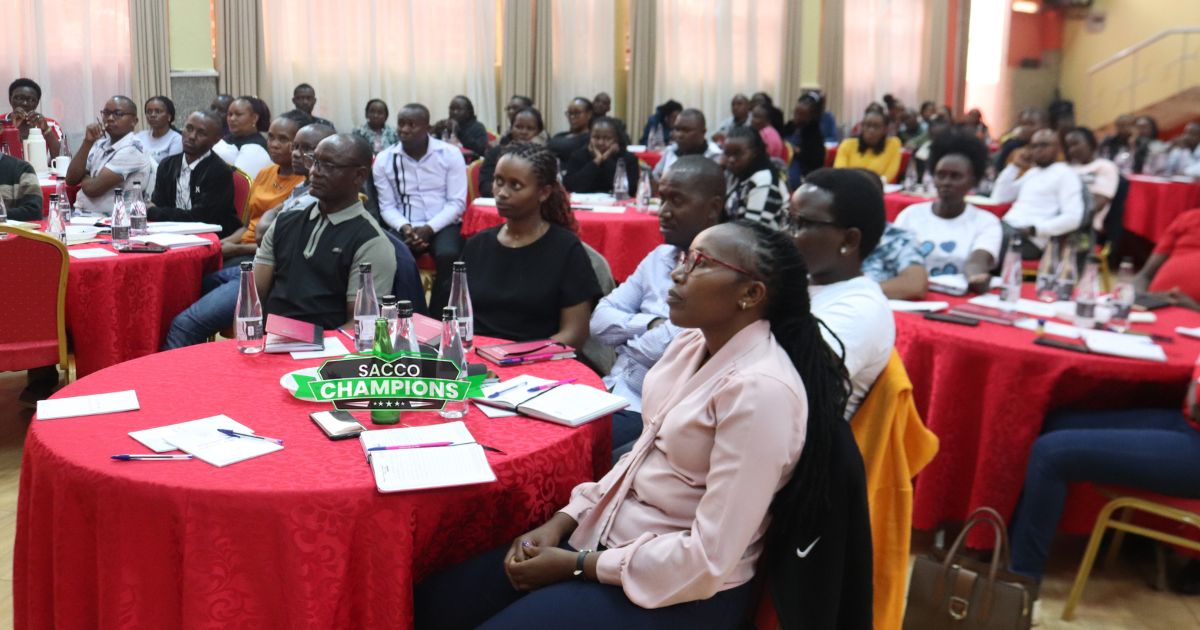
SACCO fraud prevention training is a practical program that teaches SACCO teams how to prevent, detect and respond to fraud. It covers fraud detection, internal controls and risk management in simple, real-life terms. It is not just a lecture. Good training uses Kenyan SACCO examples, group exercises and case studies that staff can relate to.
The training is built for everyone who touches member money or member data. That includes tellers, loan officers, accountants, credit committee members, supervisory committee members and board directors. When each person knows their role in fraud control, the whole SACCO becomes harder to attack.
You can learn more about our approach to SACCO training in Kenya on our website.
Why SACCOs in Kenya Need Fraud Prevention Training.
SACCOs hold the savings of thousands of ordinary Kenyans. Teachers, farmers, traders and civil servants trust their SACCO with their future. When fraud happens, the damage goes beyond lost money. Members lose confidence, withdraw savings and sometimes leave for good.
Here are the main reasons SACCOs need fraud prevention training today:
- Growing SACCO assets. Bigger balances attract more fraud attempts.
- Digital services. Mobile banking, USSD and online portals open new doors for criminals.
- Regulatory pressure. SASRA and other oversight bodies expect strong governance and risk management.
- Insider risk. Many fraud cases involve someone who knows the system well.
- Member trust. A single scandal can damage a SACCO’s name for years.
Training is also far cheaper than recovering from a fraud case. It protects your money, your members and your reputation at the same time.

Common Types of Fraud in Kenyan SACCOs.
You cannot fight what you do not understand. Good SACCO fraud prevention training starts by showing teams how fraud really happens. Here are the most common types:
- Loan fraud. This includes fake guarantors, forged documents, inflated incomes and loans given to ghost members.
- Cash theft and teeming and lading. Staff take cash, then cover the gap using later deposits.
- Payroll fraud. This means ghost employees, inflated allowances or changed bank details.
- Procurement fraud. Examples are fake suppliers, inflated invoices and kickbacks.
- Mobile money and digital fraud. This covers SIM swap, phishing, fake M-Pesa messages and hacked accounts.
- Dividend and interest manipulation. Records are changed to benefit a few people.
- Collusion fraud. Two or more people work together to bypass controls.
- Management override. A senior person ignores the rules because no one dares to question them.
Our trainers walk participants through each type and show how it can be stopped with simple, low-cost controls.
SACCO Fraud Detection: Warning Signs Every Team Should Know.
Fraud rarely appears out of nowhere. It usually leaves clues. SACCO fraud detection training teaches staff and committees to notice these clues early.
Red flags in staff behaviour:
- Refusing to take leave for years.
- Living far above their known income.
- Getting defensive when asked simple questions.
- Keeping control of one task with no backup.
Red flags in records and transactions:
- Missing or altered documents.
- Unexplained journal entries.
- Loans approved outside normal procedure.
- Frequent reversals and write-offs.
- Bank and ledger balances that do not match.
Red flags in member accounts:
- Dormant accounts that suddenly become active.
- Repeated loan top-ups with weak repayment.
- Members who say they never received a loan.
A trained team does not accuse people without proof. Instead, they know how to report concerns safely and let the right people investigate.
Internal Controls Training for SACCOs.
Internal controls are the rules and checks that protect your SACCO every day. They are the strongest defence against fraud. SACCO internal controls training helps staff understand why each control exists and how to apply it properly.
Key internal controls covered in training:
- Segregation of duties. The person who approves a loan should not be the one who disburses it.
- Dual authorisation. Large payments need two or more approvals.
- Regular reconciliations. Bank, cash and ledger accounts are checked often and by different people.
- Access controls. Only authorised staff can view or change system data.
- Documentation standards. Every transaction has complete, signed and dated records.
- Mandatory leave and job rotation. Hidden fraud often shows up when someone else takes over the desk.
- Surprise audits and cash counts. Unannounced checks discourage dishonest behaviour.
Controls only work when people follow them. That is why we focus on attitude as much as procedure. When staff understand that controls protect them too, compliance improves.
SACCO Risk Management Training.
Fraud is only one part of the bigger risk picture. SACCO risk management training helps leaders see the full set of threats that can hurt the SACCO and plan ahead.
Topics usually included:
- Fraud risk assessment. Finding where fraud is most likely in your SACCO.
- Credit risk. Managing loan defaults and weak appraisal.
- Liquidity risk. Making sure the SACCO can meet member withdrawals.
- Operational risk. Errors, system failures and weak processes.
- Cyber and data risk. Protecting member information and digital platforms.
- Compliance risk. Meeting SASRA, tax and AML requirements.
- Risk registers and reporting. Tracking risks and reporting them to the board.
A simple risk register, updated often, can save a SACCO from large losses. Our training shows teams how to build and use one without complicated tools.
Who Should Attend SACCO Fraud Prevention Training?
Fraud control is not only for the finance department. Every level of the SACCO has a role. The training works best when different groups learn together or in targeted sessions.
- Board of directors: oversight, governance and accountability.
- Supervisory committee: monitoring, audit follow-up and reporting.
- Credit committee: loan appraisal and guarantor checks.
- Management team: policy enforcement and risk ownership.
- Front office and back office staff: daily controls and red flags.
- Internal auditors and compliance officers: testing and reporting.
- Delegates and member leaders: understanding their oversight role.
For boards, you can also explore our SACCO governance and leadership training in Kenya to strengthen decision-making and accountability.
What a Good SACCO Fraud Prevention Training Program Covers.
A strong program is practical, clear and tied to your SACCO’s real situation. Here is what you should expect from a quality training:
- Fraud basics. What fraud is, why people commit it and the fraud triangle of pressure, opportunity and rationalisation.
- Fraud types in SACCOs. Real examples from the cooperative sector.
- Fraud detection techniques. Red flags, data checks and simple analysis tools.
- Internal controls design. Building and testing controls for each department.
- Risk management framework. Identifying, rating and managing risks.
- Whistleblowing systems. How to set up safe and trusted reporting channels.
- Fraud response plan. What to do in the first 24 hours of a suspected case.
- Legal and regulatory duties. SASRA expectations, record keeping and reporting.
- Ethics and culture. Building a SACCO where honesty is the normal way of working.
- Action planning. Every participant leaves with clear next steps.
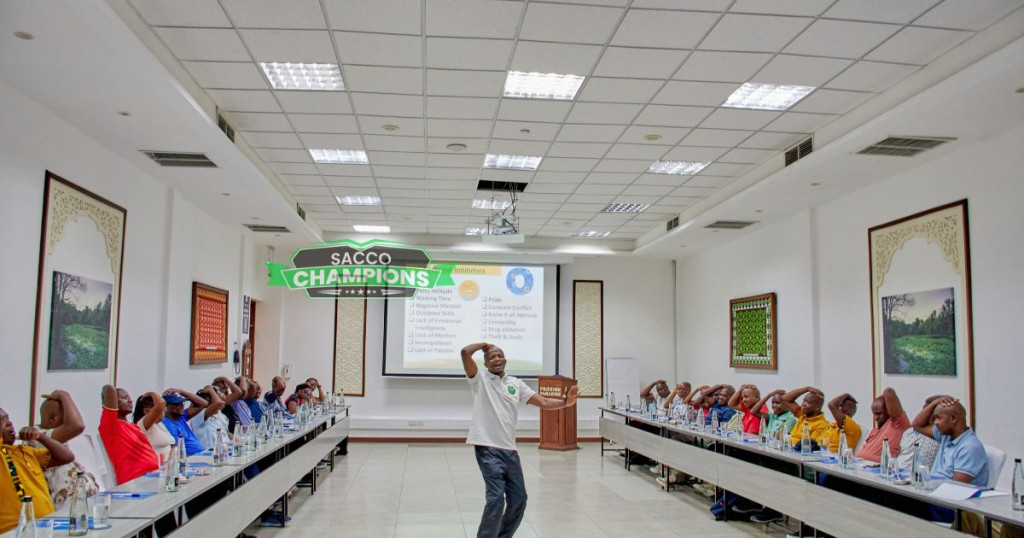
Training can be done as a one-day workshop, a multi-day residential program or an in-house session at your SACCO office.
Benefits of SACCO Fraud Prevention Training in Kenya.
Investing in training gives lasting value. Here is what SACCOs usually gain:
- Fewer fraud cases because staff know what to watch for.
- Faster detection when something does go wrong.
- Stronger internal controls that are actually followed.
- Better audit results and fewer repeat audit queries.
- Improved regulatory compliance with SASRA expectations.
- Higher member trust and stronger SACCO reputation.
- Confident leaders who ask the right questions.
- A culture of honesty that protects everyone.
Prevention also saves time. Staff spend less effort fixing problems and more effort serving members.
How to Choose the Right SACCO Fraud Prevention Trainer in Kenya.
Not every trainer understands SACCOs. Before you book, check these points:
- SACCO sector experience. Your trainer should know how SACCOs actually work in Kenya.
- Practical approach. Look for case studies, group work and real examples, not only slides.
- Customised content. Training should fit your SACCO’s size, products and risks.
- Clear outcomes. Ask what participants will be able to do after the session.
- Flexible delivery. Options such as in-house, residential or one-day sessions are helpful.
- Follow-up support. Good providers help you after the training ends.
At www.saccochampions.co.ke, we design every program around your SACCO’s needs, so your team gets content that is relevant and easy to apply.
How to Book SACCO Fraud Prevention Training in Kenya.
Booking is simple. Follow these steps:
- Visit www.saccochampions.co.ke and open the contact page.
- Share your needs. Tell us your SACCO size, number of participants and main concerns.
- Choose a format. Pick in-house, residential or one-day training.
- Agree on content. We customise topics to match your risks.
- Confirm dates and venue. We help you choose a suitable location.
- Attend and apply. Participants learn, practise and leave with an action plan.
Because every SACCO is different, programs are customised and quoted based on your needs. Contact us for a tailored proposal.
Tips to Keep Fraud Controls Strong After Training.
Training is the start, not the finish. To keep results long term, SACCOs should:
- Review internal controls at least once a year.
- Update the risk register every quarter.
- Run short refresher sessions for new staff.
- Set up a confidential reporting hotline or email.
- Act quickly and fairly on every report.
- Reward honest behaviour and speak openly about ethics.
When leaders model honesty, staff follow. That is the strongest fraud control any SACCO can have.
Frequently Asked Questions (FAQs).
1. What is SACCO fraud prevention training in Kenya?
It is a practical program that teaches SACCO staff, managers and boards how to prevent, detect and respond to fraud. It covers internal controls, fraud detection and risk management.
2. Who should attend SACCO fraud prevention training?
Board members, supervisory and credit committees, managers, tellers, loan officers, accountants, auditors and compliance officers should all attend. Fraud control works best when every level takes part.
3. How long does the training take?
It can run from one day to several days, depending on your goals and the number of topics. Many SACCOs choose a one- or two-day workshop, then add refresher sessions later.
4. Can the training be done at our SACCO office?
Yes. In-house training saves travel time and allows content to focus on your own policies and risks. Residential and venue-based options are also available.
5. What are the most common types of SACCO fraud in Kenya?
Common types include loan fraud, cash theft, payroll fraud, procurement fraud, mobile money fraud and management override. The training explains each one and how to stop it.
6. How does training help with SASRA compliance?
Training helps your team understand governance, internal control and risk management expectations. This supports better records, stronger reporting and fewer audit findings.
7. What are internal controls in a SACCO?
Internal controls are rules and checks that protect SACCO funds and records. Examples are segregation of duties, dual approvals, regular reconciliations and restricted system access.
8. How can a SACCO detect fraud early?
Watch for red flags such as missing documents, unusual transactions, staff who avoid leave and loans approved outside procedure. Regular audits and a safe reporting channel also help.
9. Is the training customised to our SACCO?
Yes. We adjust content to your SACCO’s size, products, systems and risk level.
10. How much does SACCO fraud prevention training cost?
Cost depends on the number of participants, program length, venue and customisation. Because prices change over time, contact www.saccochampions.co.ke for a tailored quotation.
Conclusion: Protect Your SACCO Before Fraud Strikes.
Fraud can hurt even the best-run SACCO. But it is not unstoppable. With the right skills, clear internal controls and a strong risk management culture, your SACCO can stay safe and keep member trust.
SACCO Fraud Prevention Training in Kenya is one of the smartest investments any board or management team can make. It builds awareness, sharpens detection and gives every person a clear role in protecting member funds.
Do not wait for a loss to act. Visit www.saccochampions.co.ke today to book customised SACCO fraud prevention training for your team. Protect your members, your reputation and your future.