
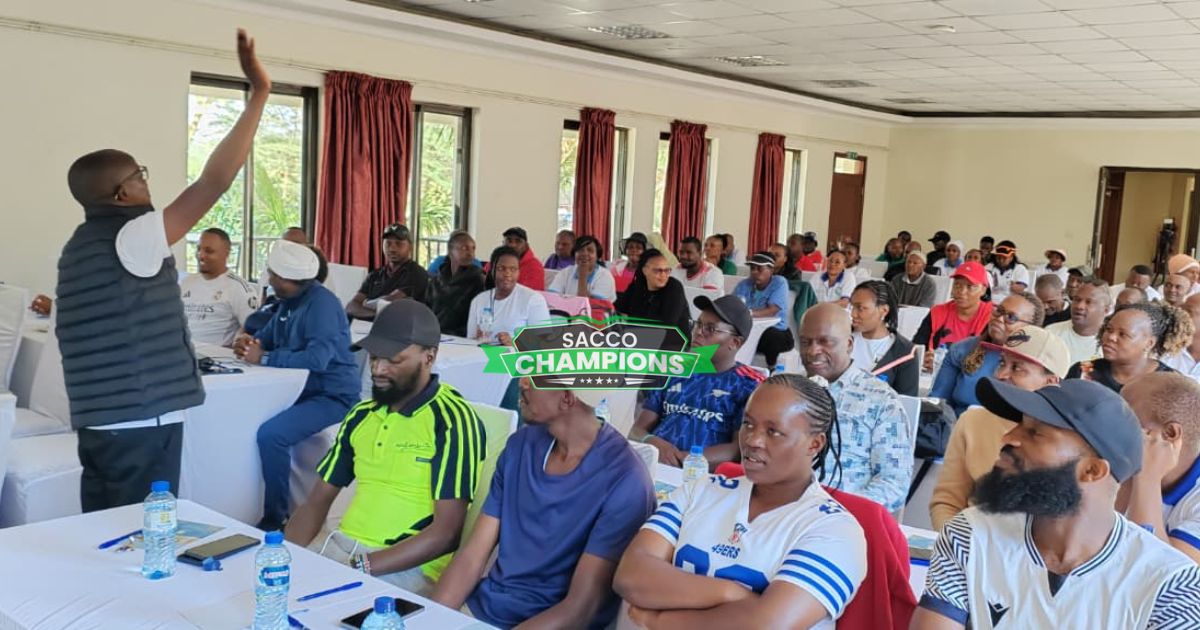
Every SACCO board wants skilled leaders and confident staff, but many stop at one big question: how much will it cost? Knowing the SACCO Training Cost in Kenya helps you plan early, avoid surprises and get real value for every shilling. In this guide, you will learn what shapes training fees, what is included and how to build a smart budget. For tailored SACCO training programs and quotations, visit www.saccochampions.co.ke.
What Is SACCO Training and Why Does It Matter?
SACCO training is a set of learning programs designed for boards, supervisory committees, managers, staff and delegates of savings and credit cooperatives. The goal is simple: help your SACCO follow the law, manage risk, grow member deposits and serve members better.
Training matters because SACCOs handle member money and must meet strict rules from SASRA and the Co-operatives Act. A trained team makes better loan decisions, runs cleaner AGMs and avoids costly compliance mistakes. That is why SACCO capacity building should be a planned budget line, not an afterthought.
How Much Does SACCO Training Cost in Kenya? The Short Answer.
There is no single fixed price. The SACCO Training Cost in Kenya depends on the type of program, the number of participants, the trainer, the venue and how much customization you need. Two SACCOs can attend a similar course and pay very different amounts because their needs are different.
That is why serious SACCO training companies in Kenya prepare a quotation after learning about your team and goals. Instead of chasing a fixed price list, focus on understanding what drives the fees. When you know the drivers, you can plan a realistic SACCO training budget and compare offers fairly. You can request a tailored quotation from the team at www.saccochampions.co.ke.


8 Key Factors That Affect SACCO Training Cost in Kenya.
Understanding these factors will help you predict your SACCO training fees and avoid paying for things you do not need.
1. Type of Training Program.
A short refresher for staff usually costs less than a deep program on SACCO governance training or SASRA compliance. Specialized topics need experienced facilitators, so the price reflects that expertise.
2. Number of Participants.
Larger groups can lower the cost per person because trainer and venue costs are shared. However, very large groups can reduce learning quality, so balance cost with results.
3. Training Duration.
A one-day workshop costs less than a three-day or five-day program. Longer sessions allow practical exercises, case studies and action planning, which many SACCOs find more valuable.
4. Trainer Experience and Credentials.
Facilitators with real SACCO management experience, SASRA knowledge and strong teaching skills usually charge more. Their insights often save you far more than the extra fee.
5. Training Venue and Location.
Venue choice is a major driver. Training in Nairobi, Mombasa, Nakuru or a resort town has different venue, meal and travel costs. Training at your own SACCO office is often cheaper than using a hotel or conference centre.
6. In-House or Public Training.
In-house SACCO training is arranged just for your team, while public sessions bring together participants from several SACCOs. Each model has its own cost structure, which we compare later in this guide.
7. Level of Customization.
A ready-made course costs less than a program built around your SACCO’s policies, loan products, and risk issues. Customization takes research and preparation time, so it affects the quote.
8. Training Materials and Certification.
Printed manuals, digital resources, templates, and certificates add to the total. Some providers include them, while others charge separately, so always ask.
Common SACCO Training Pricing Models.
Most providers use one of these pricing approaches. Knowing them helps you read a quotation with confidence.
- Per-person pricing: You pay for each participant. This works well when only a few people from your SACCO attend a public course.
- Per-day or per-session pricing: The trainer is paid for the day. This is common for in-house SACCO training where the number of attendees is flexible.
- Package pricing: One price covers the facilitator, materials, venue, meals and certificates. This makes budgeting simple.
- Retainer or annual programs: Your SACCO plans several sessions across the year. Spreading training over twelve months can make payments easier to manage.
What Is Usually Included in SACCO Training Fees?
Before you pay, confirm what the quotation covers. A good SACCO training package often includes:
- Professional facilitation by experienced trainers.
- Training manuals, handouts and templates.
- Venue hire and basic equipment such as projector and flip charts.
- Tea, lunch and refreshments.
- Certificates of attendance.
- Post-training support or follow-up advice.
If any of these are missing, ask whether they cost extra. Clear answers now will prevent budget stress later.
Hidden Costs to Plan for in Your SACCO Training Budget.
Many SACCOs focus only on the facilitator fee and forget other expenses. Add these items to your SACCO training budget:
- Travel and transport for delegates and board members.
- Accommodation for residential or out-of-town training.
- Sitting allowances for directors and committee members, based on your by-laws.
- Staff time away from work, which can affect daily operations.
- Printing and stationery if not included in the package.
- Follow-up sessions to test whether the learning is being used.
A small contingency amount in your plan protects you from last-minute changes.
SACCO Training Cost by Popular Program Type.
We do not list prices here because they change and depend on customization. Still, you can compare programs by understanding what makes each one more or less expensive.
- SACCO board and governance training: Costs reflect the seniority of the audience and the depth of legal and fiduciary content.
- SASRA compliance and risk management training: Specialist knowledge and updated regulatory content raise the effort needed to prepare.
- SACCO credit management training: Practical case studies on loan appraisal and recovery make the session more hands-on.
- SACCO anti-money laundering training: AML/CFT sessions need current legal knowledge and examples that fit SACCO operations.
- SACCO AGM training for delegates: Group size and the need for simple, practical delivery shape the cost.
- SACCO customer service and sales training: These are usually shorter, so they are often easier to fit into a tight budget.
To see how these programs match your needs, explore the options at www.saccochampions.co.ke.
In-House vs Public SACCO Training: Which Is More Cost-Effective?
Both options have strengths. The right choice depends on your goals and your team size.
- Public SACCO training is a good fit when you only need to train a few people. You share costs with other SACCOs and meet peers, which allows useful networking. The downside is that the content is general and may not match your exact challenges.
- In-house SACCO training is better when you want to train a whole board or department. The program is built around your policies, products and risks. When you divide the total cost by the number of people trained, in-house training often gives better value for medium and large teams.
If you are unsure, ask the provider to compare both options for your SACCO.
How to Build a SACCO Training Budget Step by Step.
Use this simple process to plan your SACCO training budget with confidence:
- Do a training needs assessment. Find the skill gaps in your board, management, and staff. Check audit findings, SASRA feedback and member complaints.
- Set clear priorities. Rank topics by risk and impact. Compliance and governance usually come first.
- Decide who must attend. List the participants for each program.
- Choose the training format. Pick in-house, public, residential or non-residential training.
- Request quotations. Ask at least two or three providers for detailed quotes that list what is included.
- Add hidden costs. Include travel, allowances and contingency.
- Get board approval. Present the plan with expected benefits and link it to your annual work plan.
- Track results. Measure improvements after training so you can justify next year’s budget.
Smart Ways to Reduce SACCO Training Cost in Kenya Without Losing Quality.
You can control the SACCO Training Cost in Kenya without cutting quality. Try these practical ideas:
- Combine topics into one program so you pay for one venue and one set of logistics.
- Train at your own premises when space allows.
- Book early to avoid peak-season venue pressure and rushed arrangements.
- Train in groups to spread facilitator costs across more people.
- Choose a package quotation so you know the total cost upfront.
- Plan annually instead of paying for emergency training after a problem appears.
- Use follow-up sessions wisely to reinforce learning instead of repeating full courses.
Cheap training that does not change behavior is still expensive. Focus on value, not just the lowest price.
How to Get an Accurate SACCO Training Quotation.
A good quotation starts with good information. When you contact a provider, share:
- Your SACCO’s name, size and type (deposit-taking or non-deposit-taking).
- The topics you want covered.
- The number and roles of participants.
- Preferred dates, duration and location.
- Any special needs, such as customization or certification.
With these details, the provider can give a clear and fair quote. You can start the conversation at www.saccochampions.co.ke.
Is SACCO Training Worth the Cost? The Return on Investment.
Yes, when it is well planned. Trained boards make stronger decisions and reduce governance disputes. Skilled credit officers improve loan quality and lower default risk. Staff who understand SASRA requirements help avoid penalties and reputation damage. Informed delegates make AGMs smoother and more transparent.
Training also builds member trust, and trust drives deposits, loan uptake and growth. When you compare the SACCO training price with the cost of one serious compliance failure or bad loan portfolio, training is a smart investment.
Frequently Asked Questions About SACCO Training Cost in Kenya.
1. How much does SACCO training cost in Kenya?
There is no fixed price. The SACCO training cost in Kenya depends on the program, number of participants, duration, venue and customization. The best way to know your exact cost is to request a quotation from a provider such as www.saccochampions.co.ke.
2. Why do SACCO training fees differ between providers?
Providers differ in trainer experience, program depth, materials, venue standards and support after training. Always compare what is included, not just the final amount.
3. Is in-house SACCO training cheaper than public training?
For a few people, public training is usually more economical. For a full board or large team, in-house training often gives better value because the cost is shared and the content is tailored.
4. What is usually included in a SACCO training package?
Most packages include facilitation, manuals, venue, refreshments and certificates. Some also include follow-up support. Confirm the full list before you commit.
5. Are there hidden costs in SACCO training?
Yes. Travel, accommodation, sitting allowances, printing and staff time away from work are common extras. Include them in your SACCO training budget from the start.
6. How can my SACCO reduce training costs?
Train in groups, use your own premises, book early, combine topics and plan training for the whole year. These steps reduce waste without lowering quality.
7. Does the cost of board training differ from staff training?
Often yes. Board training in governance, strategy and SASRA compliance needs senior-level content and expert facilitators, while some staff programs are shorter and more practical.
8. Can a SACCO pay for training in stages?
Many SACCOs spread training across the year to ease cash flow. Ask your provider about annual plans or phased programs that match your budget cycle.
9. How early should we request a SACCO training quotation?
Aim for at least four to six weeks before the training date. This gives time for planning, venue booking and board approval.
10. Where can I get a customized SACCO training quotation?
You can contact Kenya Sacco Champions through www.saccochampions.co.ke to discuss your needs and receive a tailored quotation for your SACCO.
Conclusion: Plan Smart and Invest in Your SACCO’s Growth.
The SACCO Training Cost in Kenya is not just an expense. It is an investment in better governance, safer lending, stronger compliance and happier members. When you understand the cost drivers, compare quotations carefully and build a clear budget, you get more value from every training session.
Do not wait for an audit query or a compliance problem to force your hand. Start your needs assessment today, set your priorities and choose a partner who understands how SACCOs work. Visit www.saccochampions.co.ke to request a customized SACCO training quotation and take the next step toward a stronger, more trusted SACCO.