

One vote at the AGM can approve a good budget, or a bad one. Many SACCO delegates walk into the annual general meeting with a thick report in their hands and no clear idea of what to ask. That is why SACCO AGM Training in Kenya is becoming a must for every delegate who wants to protect members’ money. It teaches you how to read reports, follow meeting rules, vote with confidence and keep leaders accountable. At www.saccochampions.co.ke, we help delegates arrive at the AGM prepared, informed and ready to act.
What Is SACCO AGM Training in Kenya?
SACCO AGM Training in Kenya is a practical program that prepares delegates and members for the Annual General Meeting. The AGM is the highest decision-making forum of a SACCO. This is where members, or delegates who represent them, receive reports, approve accounts, decide on dividends and elect leaders.
The training explains what happens at the AGM, what each report means and what your duties are as a delegate. It also covers SACCO governance, SACCO by-laws, financial statements and the rules that guide meetings. Most programs use simple language, real examples and group exercises, so even a delegate with no finance background can follow along.
Think of it as preparation for an important exam. You would not sit an exam without studying, and you should not vote on millions of shillings of members’ savings without understanding the numbers.
Why SACCO AGM Training in Kenya Matters for Delegates.
Delegates carry a big responsibility. In many large SACCOs, thousands of members depend on a few hundred delegates to speak and vote for them. If delegates are not prepared, weak decisions can pass quietly and problems can grow unnoticed.
Here is why SACCO delegate training makes a real difference:
- Better decisions: Delegates who understand the reports ask smarter questions and vote with facts, not emotions.
- Stronger accountability: A trained delegate can spot warning signs such as rising bad loans or unclear expenses.
- Safer member savings: Informed delegates help protect shares, deposits and the long-term health of the SACCO.
- Fair elections: Delegates learn how to judge candidates by skills and integrity, not by promises or favours.
- Smoother meetings: Delegates who know the rules help the AGM run in an orderly and respectful way.
- Member confidence: When members see a well-run AGM, trust in the SACCO grows.
Good governance begins with informed members. You can learn more about our SACCO training programs at www.saccochampions.co.ke.

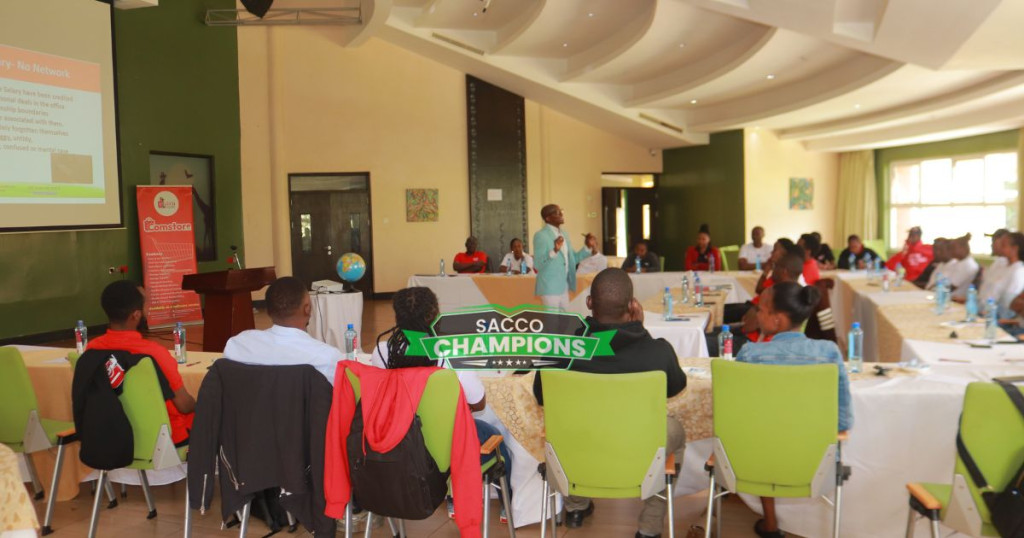
The Role of a SACCO Delegate.
Before you can do the job well, you must know what the job is. A delegate is not just a person who attends a meeting. A delegate is a trusted voice for members. The main duties usually include:
- Representing members: Share the views and concerns of the members who chose you.
- Studying the reports: Read the notice, agenda, financial statements and committee reports before the AGM.
- Asking questions: Seek clear answers on income, expenses, loans, investments and plans.
- Voting responsibly: Decide on motions, budgets, dividends and by-law changes with care.
- Electing capable leaders: Choose board and committee members who are honest, skilled and committed.
- Reporting back: Share what happened at the AGM with the members you represent.
Your SACCO’s by-laws explain these duties in detail, so always read them carefully. Training helps you understand them in plain words.
What Delegates Learn in SACCO AGM Training.
A complete SACCO AGM training program covers the topics below. Each one helps you play your part with more confidence.
1. SACCO Laws, By-laws and the Regulatory Framework.
Delegates first learn the basics: how SACCOs are governed in Kenya, the role of regulators such as SASRA for deposit-taking SACCOs, and how the SACCO’s own by-laws guide the AGM. You will understand notice periods, who can attend, how delegates are chosen and what powers the AGM has.
This knowledge protects you from confusion. When you know the rules, nobody can mislead the meeting.
2. AGM Procedures and Meeting Rules.
Many AGMs become noisy or confusing because people do not know the correct procedure. Training teaches you how an AGM flows from start to finish. Topics usually include:
- Quorum and why it matters.
- Adoption of the agenda and previous minutes.
- How to propose, support and debate a motion.
- How voting works, including show of hands and secret ballot.
- Points of order and how to use them politely.
- How to keep discussions respectful and focused.
3. How to Read SACCO Financial Statements.
This is the part most delegates fear, but it can be learned. Training breaks financial statements into simple parts. You learn to read:
- The statement of financial position, which shows what the SACCO owns and owes
- The income statement, which shows money earned and money spent
- Loan portfolio reports, which show how many loans are performing and how many are late
- Liquidity and capital strength, which show whether the SACCO can pay members and absorb shocks
With these tools, you can tell whether the SACCO is healthy or heading for trouble.
4. Understanding the Auditor’s and Supervisory Committee Reports
The external auditor’s report and the supervisory committee’s report are powerful tools for delegates. Training shows you how to read them and what to look for, such as audit queries, repeated weaknesses and unresolved recommendations.
You also learn the right questions to ask. For example, “What has management done about last year’s audit issues?” is a strong, simple and useful question.
5. Budget, Dividends and Interest on Deposits.
Delegates often decide how surplus is shared. Training explains the difference between dividends on shares and interest on deposits, how reserves are built and why a very high payout is not always a sign of good health. You also learn how to compare the proposed budget with last year’s results, so you can judge whether it is realistic.
6. Elections and Choosing the Right Leaders.
Choosing board and committee members is one of the most important delegate duties. Training teaches you to look at a candidate’s honesty, experience, education, track record and commitment. It also covers conflict of interest and why delegates should avoid vote-buying and tribal or personal favours.
A strong board starts with a wise vote.
7. Ethics, Integrity and Member Rights.
Finally, delegates learn about ethics and their duty to act in the best interest of all members. This includes confidentiality, fairness, respect for opposing views and speaking up when something looks wrong.
Common AGM Challenges That Training Helps Solve.
Even well-run SACCOs face problems at the AGM. Delegate training helps prevent the most common ones:
- Delegates who do not read the reports: They attend only for allowances or refreshments and vote without knowing what they approve.
- Heated or disorderly meetings: Lack of knowledge about procedure leads to shouting and delays.
- Hidden problems in the accounts: Without finance skills, delegates miss warning signs.
- Election disputes: Campaigns based on money or emotion can divide the SACCO.
- Poor follow-up: Decisions are made but never tracked, so problems repeat each year.
- Passive delegates: Many delegates stay silent because they fear asking a “silly” question.
Training builds the confidence and knowledge to solve each of these issues.
Who Should Attend SACCO AGM Training?
The program is useful for anyone involved in the AGM, not only delegates. Ideal participants include:
- SACCO delegates, both new and returning.
- Board members and committee members.
- Supervisory committee members.
- Credit committee members.
- SACCO managers and senior staff.
- Aspiring leaders planning to contest elections.
- Active members who want to understand how their SACCO is run.
When the board, management and delegates all learn together, communication improves and the AGM becomes more productive.
Sample SACCO AGM Training Outline.
Programs differ, but a strong delegate training session often follows this flow:
- Introduction: The purpose of the AGM and the role of a delegate.
- Governance basics: SACCO laws, by-laws and regulators.
- Meeting procedure: Quorum, motions, voting and order.
- Financial literacy: Reading the accounts and key ratios.
- Audit and oversight: Understanding auditor and committee reports.
- Dividends and budgets: How surplus is shared and plans are approved.
- Elections: Judging candidates and running a fair vote.
- Practice session: A mock AGM where delegates ask questions, debate and vote.
- Action plan: Each delegate leaves with clear steps to use at the real AGM.
The mock AGM is often the favourite part. It lets delegates practice in a safe space before the real meeting.
When Is the Best Time to Schedule SACCO AGM Training?
Timing matters. The best moment is a few weeks before the AGM, when reports are almost ready and delegates have time to study them. Training too early may be forgotten, and training too late leaves no time to prepare questions.
Many SACCOs also hold a short refresher right after delegates are elected, then a second session before the AGM. If your SACCO plans its calendar early, you can book a suitable date and venue without stress. Visit www.saccochampions.co.ke to plan ahead.
How to Choose the Right SACCO AGM Training Provider in Kenya.
A good provider can change how your delegates behave at the AGM. Use this checklist:
- Sector experience: Choose a trainer who truly understands SACCOs and cooperative governance in Kenya.
- Simple teaching style: Complex finance must be explained in easy words with local examples.
- Customization: The content should match your SACCO’s size, products, by-laws and challenges.
- Practical methods: Look for case studies, group work and a mock AGM, not only lectures.
- Neutral approach: The trainer should teach good governance, not take sides in local politics.
- Materials and follow-up: Delegates should receive notes and guidance they can use after the session.
- Reviews and references: Ask other SACCOs about their experience.
Costs depend on the number of delegates, training days, venue and level of customization, so request a personalized quote rather than relying on a general figure.
Practical Tips for Delegates on AGM Day.
Training gives you the knowledge, and these simple habits help you use it:
- Read everything early. Do not wait until the morning of the AGM.
- Mark your questions. Write them in the margins of the reports.
- Arrive on time. Late arrival can mean missing key decisions.
- Listen before you speak. Understand the issue, then ask clear and polite questions.
- Vote with facts. Ignore pressure and rumours.
- Take notes. You will need them to report back to members.
- Follow up. Check later whether the AGM decisions are being carried out.
Frequently Asked Questions (FAQs) About
1. What is SACCO AGM Training in Kenya?
It is a program that prepares delegates and members for the Annual General Meeting. It covers SACCO governance, meeting rules, financial statements, elections and the delegate’s duties.
2. Why do SACCO delegates need AGM training?
Delegates make decisions that affect members’ savings and the future of the SACCO. Training helps them understand reports, ask the right questions and vote responsibly.
3. Who should attend SACCO AGM training?
Delegates, board members, supervisory and credit committee members, managers and aspiring leaders. Interested members can also benefit.
4. How long does the training take?
It can run for one day or several days, depending on the topics and the depth you need. Many SACCOs choose one to two days with a mock AGM included.
5. Do I need an accounting background to attend?
No. A good trainer explains financial statements in simple words and uses local examples, so any delegate can understand the key points.
6. When should we hold AGM training?
Ideally a few weeks before the AGM, so delegates have time to read reports and prepare questions. A short refresher after delegate elections is also helpful.
7. What happens in a mock AGM?
Participants act out a real AGM. They follow the agenda, propose motions, debate issues and vote. It builds confidence and helps delegates practice correct procedure.
8. How much does SACCO AGM training cost in Kenya?
The cost depends on the number of participants, training days, venue and customization. Contact www.saccochampions.co.ke for a quote based on your SACCO’s needs.
9. Can the training be held at our own venue?
Yes. In-house training at your offices or a nearby venue is common and convenient. Some SACCOs also prefer a separate venue to help delegates focus.
10. How do I book SACCO AGM training for my delegates?
Visit www.saccochampions.co.ke, share your number of delegates, preferred dates and main goals, and the team will suggest a suitable program.
Conclusion: Informed Delegates Build Strong SACCOs.
A SACCO is only as strong as the people who guide it, and the AGM is where that guidance happens. SACCO AGM Training in Kenya gives delegates the knowledge to read reports, follow procedure, ask bold questions and choose good leaders. The result is safer savings, fairer elections and a SACCO that members can trust.
If your delegates attend the AGM unprepared, the cost is paid by every member. If they attend informed and confident, the whole SACCO benefits. Training is a small step that can protect years of members’ hard work.
Ready to prepare your delegates for the next AGM? Visit www.saccochampions.co.ke today and talk to the Kenya Sacco Champions team about a customized SACCO AGM training program for your cooperative.