
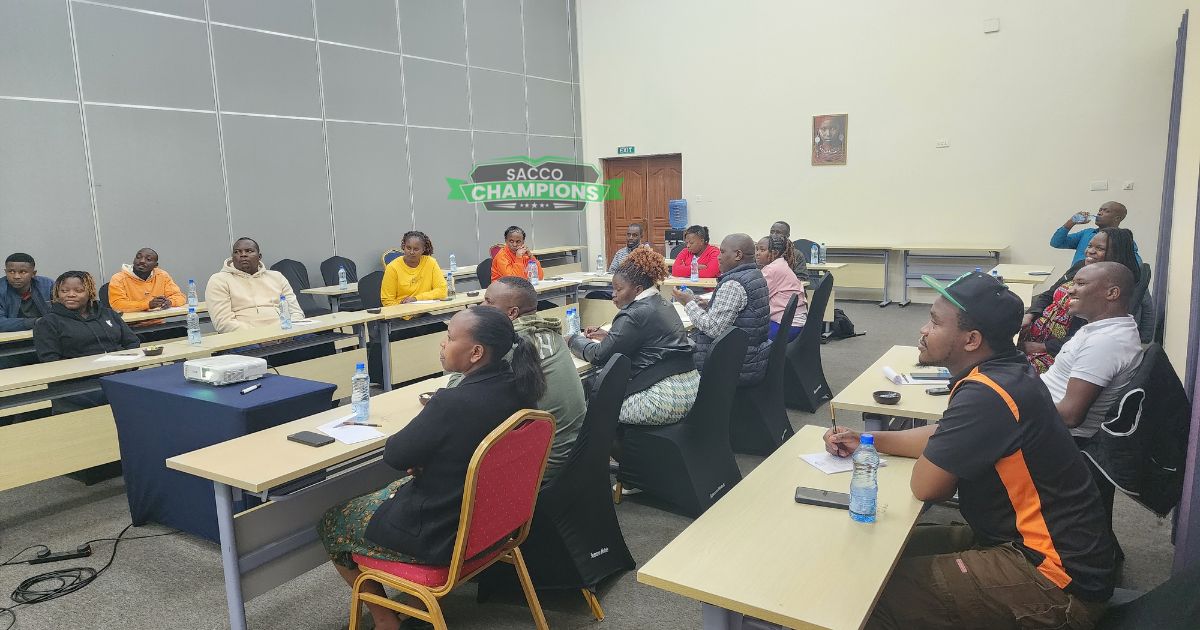
Why SACCO Directors Training in Kenya is Vital Today.
The co-operative sector in Kenya is one of the most vibrant financial movements in Africa, holding billions of shillings in member deposits and driving national economic growth. However, as SACCOs expand their operations into Front Office Service Sections (FOSA), digital loans and complex investment portfolios, the level of business risk increases significantly.
In recent years, the Sacco Societies Regulatory Authority (SASRA) has implemented strict compliance standards regarding capital adequacy, liquidity ratios, corporate governance and risk management. Board members can no longer rely solely on goodwill or historical practices. Modern SACCO Directors Training in Kenya provides elected leaders with the technical competence required to oversee financial institutions in a highly competitive market. Proper training transforms board members from passive observers into proactive strategic leaders who can protect member assets against fraud, mismanagement and economic uncertainty.
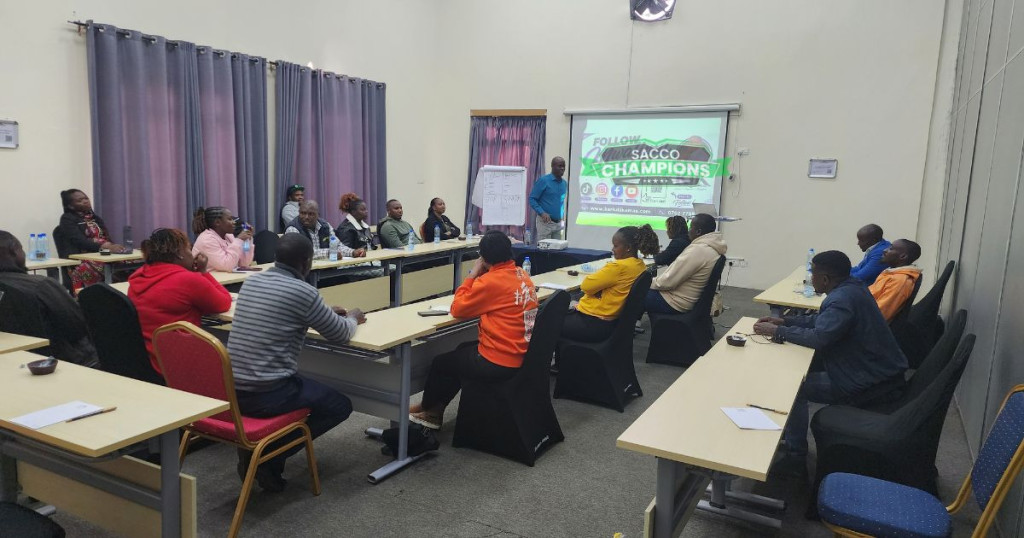
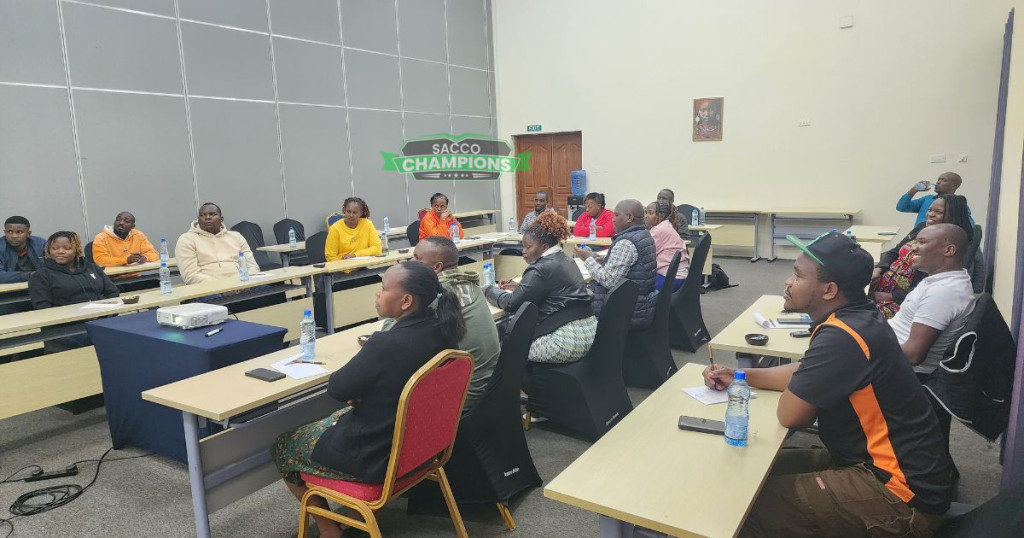
Core Roles and Fiduciary Duties of SACCO Board Directors.
To govern effectively, every SACCO director must clearly understand their legal and legal obligations. The board of directors represents the ultimate authority accountable to the members who elect them during the Annual General Meeting (AGM).
The Three Fundamental Fiduciary Duties.
- Duty of Care: Directors must exercise reasonable care, skill and diligence in their decision-making process. This means thoroughly reviewing financial reports, actively participating in board meetings and asking critical questions before approving major investments or policy changes.
- Duty of Loyalty: Board members must place the interests of the SACCO above their personal or business interests. Directors must avoid conflicts of interest, refrain from insider borrowing abuses and maintain strict confidentiality regarding sensitive co-operative data.
- Duty of Obedience: Directors are legally obligated to ensure the SACCO operates strictly within the confines of the law, including the Co-operative Societies Act, the Sacco Societies Act, SASRA regulations and the SACCO’s internal By-laws.
Strategic Planning vs. Management Oversight.
A common pitfall in SACCO governance is board interference in day-to-day operations. SACCO Directors Training in Kenya helps establish a clear boundary between board governance and executive management. The board is responsible for setting the long-term vision, approving annual budgets, establishing risk frameworks and evaluating the CEO’s performance. Conversely, management is responsible for implementing approved policies and managing daily operations. Respecting this division of labor ensures institutional harmony and operational efficiency.
Key Governance Principles for SACCO Boards in Kenya.
Good corporate governance is the backbone of financial stability and member confidence. High-performing SACCO boards follow four fundamental principles:
- Accountability: The board must take full responsibility for the financial health and strategic direction of the co-operative. This includes submitting accurate audited financial statements to SASRA and presenting transparent reports to members at every AGM.
- Transparency: Directors must ensure that members, regulators and auditors have timely access to truthful financial information and performance metrics.
- Fairness: Every member of the SACCO—regardless of their share balance or status—must be treated equitably regarding loan disbursements, dividend payments and voting rights.
- Responsibility: The board must act ethically and consider the welfare of the broader community and environment while conducting business operations.
Essential Pillars Covered in SACCO Directors Training Programs.
Comprehensive leadership training programs are structured around practical, real-world modules designed to address immediate operational and governance challenges. When you enroll your board through www.saccochampions.co.ke, directors undergo training in key competency areas:
1. SASRA Regulatory Compliance & Legal Frameworks.
Navigating co-operative law in Kenya requires continuous education. Training covers the Sacco Societies Act, SASRA guidelines, tax regulations by the Kenya Revenue Authority (KRA), Data Protection Act compliance and Anti-Money Laundering (AML) standards. Directors learn how to avoid non-compliance penalties, license revocations and personal liability.
2. Financial Management and Asset-Liability Management (ALM).
Financial literacy is mandatory for every director, even those without an accounting background. Training simplifies complex financial concepts, empowering board members to read balance sheets, analyze income statements, track non-performing loans (NPLs) and monitor institutional capital ratios. Directors learn how to manage liquidity and set competitive dividend rates without compromising long-term solvency.
3. Credit Risk Management & Non-Performing Loan Mitigation.
Loans represent the primary earning asset of any SACCO. Therefore, poor credit administration poses an existential threat. Directors learn how to formulate robust credit policies, set realistic interest rates, monitor default ratios, enforce collateral securities and manage recovery procedures fairly and legally.
4. ICT Governance and Cyber Risk Oversight.
As SACCOs adopt mobile banking apps, USSD platforms and core banking software, cyber threats have escalated. ICT governance training equips directors to evaluate technology investments, approve cybersecurity policies, demand data privacy compliance, and oversee disaster recovery plans to prevent financial loss through cyber fraud.
5. Board Performance Evaluation & Succession Planning.
A sustainable SACCO plans for tomorrow’s leadership today. Board training guides directors on how to conduct objective annual self-evaluations, identify skill gaps, implement continuous professional development plans and structure smooth leadership transitions.
SACCO Board Committees and Their Specific Responsibilities.
To manage workload effectively and ensure specialized oversight, SACCO boards delegate specific responsibilities to specialized committees. SACCO Directors Training in Kenya provides tailored modules for each standing committee:
1. Executive Committee.
Composed of the Board Chairman, Vice-Chairman, Treasurer and Secretary, this committee oversees overall board affairs, coordinates committee work and maintains direct communication with the CEO between regular board meetings.
2. Audit and Risk Committee.
This committee serves as the watchdog for internal controls, financial accuracy and risk mitigation. They review internal and external audit reports, monitor compliance with SASRA regulations and track institutional risk profiles independently from executive management.
3. Credit Committee.
The Credit Committee formulates credit policies, reviews large loan applications that exceed executive approval limits, monitors non-performing loan trends and recommends appropriate provisions for delinquent accounts.
4. Nomination and Governance Committee.
Responsible for maintaining board excellence, this committee manages board election vetting, evaluates director performance, oversees board ethics and conduct and coordinates continuous capacity building.
5. The Supervisory Committee.
Although elected directly by members during the AGM as an independent oversight body, the Supervisory Committee works alongside the board. They inspect financial records, evaluate operational compliance and report directly to members. Training ensures that the Supervisory Committee acts as a constructive balance to the main board rather than an adversarial force.
Common Challenges Facing SACCO Directors in Kenya.
Steering a SACCO is full of challenges. Understanding these common hurdles allows board leaders to proactively address them through targeted training:
- Rising Non-Performing Loans (NPLs): Economic downturns and inflation often lead to loan defaults. Proper credit management training enables boards to restructure debt safely and enforce prudent lending criteria.
- Conflict of Interest and Insider Lending: Directors borrowing beyond approved limits or favoring friends and relatives damages member trust and violates SASRA guidelines. Governance training instills ethical leadership and strict adherence to conflict-of-interest policies.
- Rapid Digital Disruption: Managing fintech partnerships and automated lending services requires technical understanding that legacy directors may lack without regular capacity building.
- Political Interference during Board Elections: AGM elections can sometimes become politically charged, leading to the election of popular leaders who lack core financial or governance competencies. Continuous training helps bridge these knowledge gaps quickly post-election.
How to Choose the Best SACCO Directors Training Provider in Kenya.
Selecting the right training partner directly impacts the quality of board decision-making and organizational growth. Consider the following criteria when selecting a training facilitator:
- Accreditation and Industry Track Record: Ensure the training provider specializes in co-operative governance and possesses deep knowledge of the Kenyan financial regulatory landscape.
- Tailored and Practical Curriculum: Avoid generic corporate courses. The best training providers, like www.saccochampions.co.ke, customize training materials to match your SACCO’s specific size, tier, operational challenges and growth objectives.
- Experienced Facilitators: Choose facilitators who have hands-on experience as former regulators, auditors, SACCO executives or corporate governance experts in East Africa.
- Post-Training Support and Actionable Tools: Quality providers offer post-training evaluations, sample policy templates, board charter guidelines and follow-up advisory services to ensure long-term implementation.
The Impact of Training on SACCO Growth and Member Dividends.
Investing in board development yields direct financial and operational returns for your cooperative:
- Enhanced Financial Solvency: Educated boards make prudent investment choices, minimize bad debts and build strong institutional capital reserves.
- Increased Member Confidence and Retention: Transparent governance and financial performance encourage existing members to save more and attract new members.
- Sustainable Dividend Payouts: By eliminating operational inefficiencies and reducing non-performing assets, the SACCO generates higher surpluses, allowing for generous dividend payouts on shares and interest on deposits.
- Smooth SASRA Inspections: Well-trained boards maintain flawless compliance records, turning annual SASRA regulatory audits into smooth, stress-free routine checks.
10 Frequently Asked Questions (FAQs)
1. Why is SACCO Directors Training in Kenya mandatory for board members?
Training is essential because SACCO directors hold a fiduciary duty to protect member savings and ensure full compliance with SASRA regulations. Regular capacity building equips leaders with the necessary skills in financial analysis, risk management and co-operative law.
2. How often should SACCO directors undergo governance training?
Board directors should undertake training at least twice a year. Additionally, newly elected directors should undergo an intensive induction program immediately after their election to understand their roles before assuming duty.
3. What is the difference between board governance and executive management in a SACCO?
The board is responsible for governance—setting strategic direction, approving budgets, formulating policies and providing oversight. Executive management, led by the CEO, is responsible for executing those policies and running day-to-day operations.
4. Where can our board book tailored SACCO Directors Training in Kenya?
You can easily organize customized, accredited board training sessions by reaching out to the experts at www.saccochampions.co.ke.
5. Does SASRA mandate specific qualifications or training for SACCO board members?
Yes, SASRA guidelines require directors of regulated SACCOs to satisfy “Fit and Proper” test requirements, which include continuous professional development, ethical standing and basic financial literacy.
6. Can directors from non-deposit-taking SACCOs benefit from board training?
Absoluty. Non-deposit-taking SACCOs face similar risks in credit management, legal compliance and strategic planning. Governance training ensures they build strong financial foundations for future growth.
7. What key topics are covered in SACCO credit committee training?
Credit committee modules focus on credit policy formulation, loan appraisal techniques, collateral valuation, monitoring non-performing loans, debt recovery strategies and SASRA provisioning rules.
8. How does board training help reduce non-performing loans (NPLs)?
Training equips directors with skills to review credit portfolio performance, detect early warning signs of loan default, set realistic risk appetites and enforce objective lending policies without political or personal bias.
9. Can SACCO directors training be conducted on-site or during board retreats?
Yes, reputable training providers such as www.saccochampions.co.ke offer flexible training solutions, including on-site workshops, residential board retreat sessions and interactive virtual masterclasses.
10. How do we evaluate the effectiveness of our SACCO board training?
Effectiveness is measured by improved board decision-making, better financial ratios, lower NPL rates, full SASRA compliance, clear policy implementations and successful annual board performance evaluations.
Conclusion: SACCO Directors Training in Kenya.
Strong leadership is the cornerstone of every prosperous cooperative society. Enrolling in specialized SACCO Directors Training in Kenya is not just an operational requirement. It is a vital strategic investment that secures the financial future of your institution and safeguards your members’ hard-earned savings. By mastering board governance, financial analysis, risk management and SASRA compliance, directors can steer their SACCOs toward long-term sustainability and industry excellence.
Do not let governance gaps, regulatory penalties, or credit risks hold your co-operative back. Equip your board with the knowledge, tools and confidence needed to excel in today’s competitive financial ecosystem. Visit www.saccochampions.co.ke today to schedule a customized board training retreat or workshop tailored specifically to your SACCO’s unique goals and vision!