
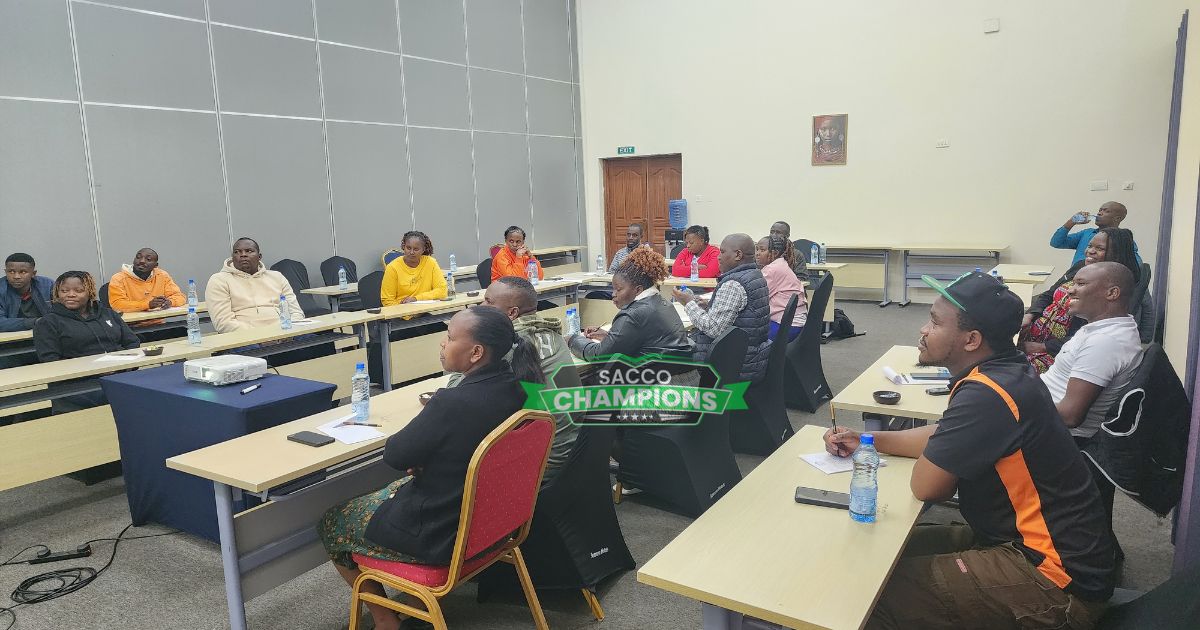
Are your SACCO board members and committee leaders equipped to navigate strict regulatory demands and protect member savings? Enrolling your board and supervisory team in specialized SACCO Governance Courses in Kenya is the single most effective step to ensure financial growth, operational integrity and total legal compliance. At www.saccochampions.co.ke, we empower cooperative leaders with practical governance training designed specifically for board directors, credit committees and supervisory officers across Kenya.
Why SACCO Governance Courses in Kenya Are Essential.
Savings and Credit Co-operative Societies (SACCOs) form the backbone of Kenya’s financial inclusion strategy, holding billions of shillings in member deposits. However, managing a modern SACCO requires far more than basic financial awareness. Today, cooperative leaders face intense regulatory scrutiny from the Sacco Societies Regulatory Authority (SASRA), evolving cybersecurity risks and complex credit management challenges.
Many board directors and committee members are elected based on popular vote rather than technical financial expertise. While leadership passion is valuable, a lack of formal governance training can lead to costly mistakes, such as non-compliance penalties, poor loan recovery rates and conflicts of interest. Taking accredited SACCO Governance Courses in Kenya bridges this knowledge gap, transforming passionate board members into confident, compliant, and strategic decision-makers.
Through structured corporate governance training, SACCO leaders learn how to balance member needs with long-term financial stability.
Core Pillars of Effective Cooperative Governance.
Good governance is not just a regulatory mandate; it is the fundamental framework that secures member confidence. When a SACCO establishes clear governance structures, decision-making becomes transparent, risks are managed proactively and institutional growth remains sustainable.
The primary pillars taught in SACCO Governance Courses in Kenya include:
- Accountability and Fiduciary Duty: Board members act as trustees of member funds. They must make prudent financial decisions that prioritize the long-term interest of the society over personal gain.
- Transparency and Open Communication: Timely disclosure of financial performance, operational audits and strategic changes builds deep trust with members and regulatory authorities.
- Board Independence: Directors must maintain objective judgment, free from management influence, external political pressure or personal conflicts of interest.
- Regulatory Compliance: Adhering fully to the Sacco Societies Act, SASRA guidelines, Cooperative Societies Act and relevant tax laws protects the institution from legal sanctions.
- Equitable Treatment of Members: Ensuring every member’s rights are respected, regardless of share volume or account balance.
Comprehensive Modules Covered in SACCO Governance Training.
To build a high-performing board and efficient governance committees, training programs must cover both theoretical principles and real-world practical applications. High-impact SACCO Governance Courses in Kenya offered through www.saccochampions.co.ke cover critical training modules tailored for modern board members.
┌─────────────────────────────────────────────────────────────────────────────┐
│                       CORE SACCO GOVERNANCE MODULES                         │
├──────────────────────────────┬──────────────────────────────────────────────┤
│ Board Leadership             │ Strategic oversight vs. daily operations     │
├──────────────────────────────┼──────────────────────────────────────────────┤
│ SASRA Compliance             │ Fit & Proper forms, legal reporting          │
├──────────────────────────────┼──────────────────────────────────────────────┤
│ Financial Management         │ Prudential ratios, balance sheet oversight   │
├──────────────────────────────┼──────────────────────────────────────────────┤
│ Risk & Credit Governance     │ NPL reduction, loan underwriting rules       │
├──────────────────────────────┼──────────────────────────────────────────────┤
│ Supervisory Oversight        │ Internal audits, fraud detection, controls   │
└──────────────────────────────┴──────────────────────────────────────────────┘
1. Board Leadership and Separation of Roles.
A common challenge in Kenyan SACCOs is role confusion between the Board of Directors and executive management. Board directors are responsible for policy formulation, strategic vision and oversight, whereas the CEO and management team handle daily operational execution.
This module teaches leaders how to establish clear boundaries, build a healthy board-management relationship, evaluate CEO performance and conduct productive board meetings.
2. SASRA Compliance and “Fit and Proper” Standards.
SASRA enforces strict regulatory standards to safeguard the stability of Kenya’s cooperative sector. Directors must understand their statutory duties under the Sacco Societies Act.
Key topics in this module include:
- Filling and submitting mandatory SASRA “Fit and Proper” assessment forms.
- Managing regulatory reporting schedules and avoiding late submission fines.
- Understanding statutory reserves, core capital and liquidity buffers.
- Navigating risk-based supervision and regulatory inspections.
3. Financial Oversight and Prudential Ratios.
Board members do not need to be certified public accountants, but they must know how to interpret financial statements, spot balance sheet warning signs and monitor financial health metrics.
This module empowers directors to analyze income statements, track key performance indicators, manage operating budgets and declare dividends safely without compromising institutional capital.
4. Credit Governance and Non-Performing Loan Management.
Loans represent the primary revenue source—and the largest risk area—for any SACCO. The Credit Committee plays a vital role in setting credit policy, reviewing high-value loan applications and managing default rates.
In this module, committee members learn:
- Developing sound credit policies aligned with current economic conditions.
- Assessing borrower creditworthiness and collateral valuation.
- Managing Non-Performing Loans (NPLs) and enforcing effective recovery strategies.
- Establishing fair loan loss provisioning in line with financial reporting standards.
5. Enterprise Risk Management and Internal Controls.
Modern SACCOs face diverse risks, including liquidity shortages, cyberattacks, internal fraud and interest rate volatility.
This module equips directors and supervisory committees with skills to design robust risk management frameworks, implement segregation of duties, conduct IT security audits and enforce whistleblowing mechanisms.
Who Should Attend SACCO Governance Training?
Effective governance requires continuous capacity building across every level of cooperative leadership. Tailored SACCO Governance Programs in Kenya are structured specifically for:
1. Board of Directors and Executive Committee.
Newly elected and re-elected board members require comprehensive induction and ongoing refresher courses. Training equips the Chairman, Vice-Chairman, Treasurer and Board Secretary with the tools to lead strategic planning, manage stakeholder relations and maintain institutional stability.
2. Supervisory Committee Members.
The Supervisory Committee serves as the internal watchdog for the SACCO membership. They monitor internal controls, review financial records, ensure compliance with bylaws and investigate member grievances. Specialized supervisory governance training ensures these officers execute their duties objectively without stepping into daily management.
3. Credit and Audit Committees.
Sub-committees need focused, technical governance training. Credit committees learn robust loan portfolio management, while Audit committee members gain skills to oversee risk frameworks, internal audit teams and external audit findings.
4. Chief Executive Officers and Senior Managers.
While CEOs handle day-to-day management, attending governance courses alongside their boards fosters institutional alignment. Executives learn how to present clear board papers, execute strategic plans and maintain transparent reporting lines.
Key SASRA Financial Ratios Every SACCO Leader Must Track.
To ensure long-term stability and satisfy regulatory audits, board directors must regularly track core financial health ratios. The table below highlights the mandatory SASRA benchmarks every director should understand:
| Prudential Financial Metric | Regulatory Target / Statutory Minimum | Strategic Focus Area |
| Core Capital to Total Assets | Minimum 10% | Measures baseline financial strength and cushion against asset loss. |
| Institutional Capital to Total Assets | Minimum 8% | Evaluates statutory reserves built from retained earnings. |
| Liquidity Ratio | Minimum 15% of member deposits | Guarantees sufficient cash reserves to meet member withdrawal demands. |
| Non-Performing Loan (NPL) Ratio | Less than 5% of gross loan portfolio | Minimizes default risks and protects interest income. |
| Operating Expenses to Total Income | Below industry benchmark (~35%–40%) | Controls cost inefficiencies and maximizes annual surplus for dividends. |
Understanding these figures allows board members to ask informed questions during monthly meetings and take corrective action before SASRA issues formal compliance directives.
Step-by-Step Framework for Implementing Board Training.
To get the highest return on investment from training initiatives, SACCOs should follow a systematic professional development framework:
- Conduct a Board Skills Audit: Identify knowledge gaps in financial literacy, legal compliance, risk oversight or IT governance across board members.
- Select an Accredited Training Partner: Partner with specialized training providers like www.saccochampions.co.ke who understand the Kenyan cooperative ecosystem and SASRA regulatory requirements.
- Customize the Curriculum: Ensure the governance course addresses your SACCO’s specific asset size, operational model (DT or NWDT) and strategic priorities.
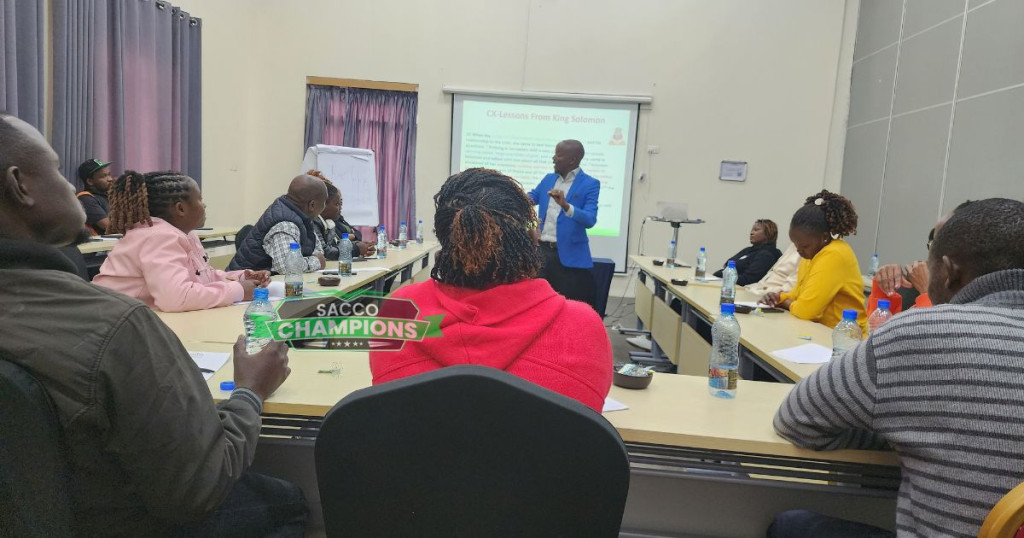
- Execute Interactive Workshops: Choose immersive board retreats or practical workshop settings that encourage open debate, case study analysis and action planning.
- Develop a Post-Training Action Plan: Require board members and committees to create implementation roadmaps based on insights learned during training.
- Review and Measure Progress: Evaluate governance improvements semi-annually by tracking compliance scores, audit reports and decision-making speed.
Top Benefits of Enrolling in SACCO Governance Courses in Kenya.
Investing in continuous governance education produces immediate, measurable returns for your society. Key advantages include:
- Minimized Regulatory Sanctions: Well-trained boards stay ahead of compliance updates, preventing costly SASRA penalties, operational suspensions or legal battles.
- Enhanced Member Trust and Confidence: Transparent governance and sound financial performance attract new members, boost share capital and increase deposit retention.
- Improved Loan Portfolio Quality: Educated credit committees enforce rigorous lending guidelines, significantly reducing bad debts and default rates.
- Faster, Smarter Decision-Making: Structured governance courses provide directors with analytical frameworks to evaluate new investment opportunities safely.
- Stronger Fraud Prevention: Robust internal controls and trained supervisory committees protect member funds against internal theft, cyber risks and accounting errors.
Frequently Asked Questions About SACCO Governance Courses in Kenya.
1. What are SACCO Governance Courses in Kenya?
SACCO Governance Courses in Kenya are specialized training programs designed to educate SACCO board directors, supervisory committees and senior managers on corporate leadership, SASRA compliance, financial management and risk oversight.
2. Is governance training mandatory for SACCO board members in Kenya?
Yes. SASRA regulations require board members and executive officers of regulated SACCOs to meet strict “Fit and Proper” criteria. Continuous governance training ensures directors possess the technical capacity required to oversee financial institutions legally.
3. Who should participate in SACCO board training programs?
Training is recommended for the Board of Directors, Supervisory Committee members, Credit Committee, Audit Committee, Chief Executive Officers and senior management personnel.
4. What key topics are covered in SACCO governance training?
Core topics include strategic board oversight, SASRA regulatory compliance, interpreting financial statements, credit risk management, internal audit standards, anti-money laundering (AML) protocols and member conflict resolution.
5. How long do SACCO governance training workshops take?
Programs vary depending on depth. Executive inductions and specialized board retreats typically run for 2 to 5 days, while comprehensive governance certification programs can extend over several weeks.
6. Do Non-Withdrawable Deposit-Taking SACCOs (NWDT-SACCOs) need governance training?
Absolutely. While NWDT-SACCOs face different regulatory thresholds, strong governance, internal financial controls and risk management are essential to protect member savings and scale sustainably.
7. How does good governance improve a SACCO’s dividend payout?
Proper governance reduces non-performing loans, eliminates wasteful operational expenditure and prevents fraud. This maximizes the net institutional surplus, allowing the board to declare higher dividends and interest on deposits safely.
8. What is the role of the Supervisory Committee in SACCO governance?
The Supervisory Committee acts as the internal watchdog for members. They independently examine financial records, monitor board compliance with policies, evaluate internal control systems and report directly to the Annual General Meeting (AGM).
9. How can a SACCO select the right governance training provider?
Look for facilitators with deep expertise in Kenyan cooperative law, hands-on experience with SASRA compliance, practical case study methodologies and proven track records. You can explore customized modules at www.saccochampions.co.ke.
10. Can governance training be customized for our specific SACCO?
Yes. Customized on-site workshops and board retreats are tailored to address your institution’s specific strategic goals, financial asset size, operational risks and committee structures.
Conclusion: SACCO Governance Courses in Kenya.
Strong governance is the single most important factor distinguishing thriving cooperative societies from those struggling with financial loss and regulatory penalties. Equipping your Board of Directors and Supervisory Committee with practical, high-impact training ensures your institution remains compliant, competitive and financially resilient.
Do not wait for regulatory queries or operational crises to address governance gaps. Take a proactive step toward leadership excellence today. Visit www.saccochampions.co.ke to explore tailored SACCO Governance Courses in Kenya and schedule a transformative board training session for your team.