
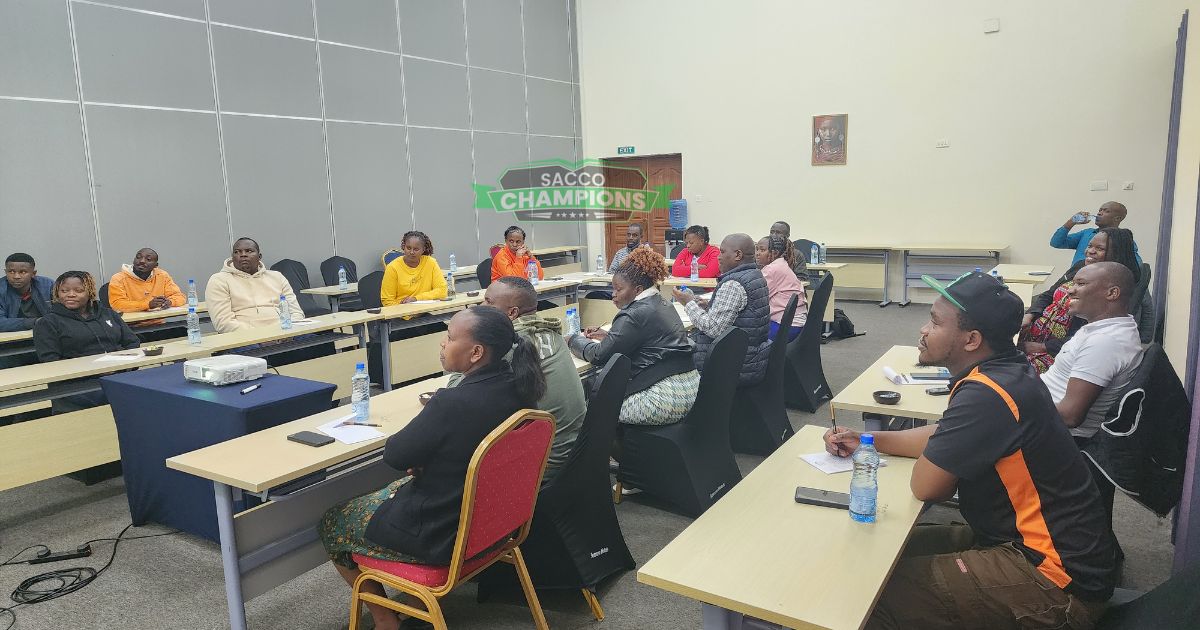
The financial services sector in East Africa is evolving at an unprecedented speed and Savings and Credit Cooperative Organizations (SACCOs) are right at the heart of this revolution. From adopting mobile banking apps to complying with tighter regulatory frameworks, the pressure to evolve has never been greater. This is exactly why Change Management Training in Kenya has become an indispensable investment for modern SACCOs. Partnering with industry experts like SACCO Champions ensures that your board, management and frontline staff are perfectly aligned to navigate transitions smoothly, minimizing resistance and maximizing operational efficiency.
Change Management Challenges Facing SACCOs in Kenya.
For decades, SACCOs in Kenya operated on traditional, manual and localized models. Members would walk into a physical branch, fill out paper forms to guarantee loans and wait days or weeks for approval. Today, the modern Kenyan member demands instant mobile loans, USSD banking capabilities and real-time dividend processing.
Alongside technological demands, regulatory bodies like the SACCO Societies Regulatory Authority (SASRA) have introduced stringent rules for both Deposit-Taking (DT) and Non-Deposit-Taking SACCOs. These regulations require tighter internal controls, advanced reporting standards, and better governance structures.
Adapting to these external pressures requires profound internal shifts. However, organizations do not change; people do. Without a structured framework to guide employees and board members through these transitions, SACCOs risk facing low morale, high employee turnover and botched technology rollouts.
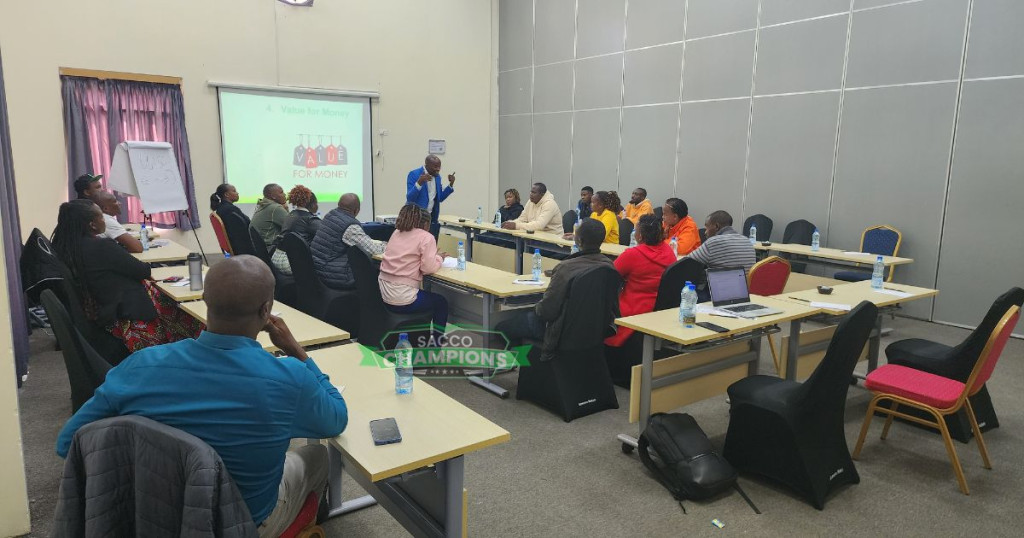
Why Change Management Training in Kenya is Essential for SACCOs.
Investing in professional training during periods of transition yields measurable benefits. Here is why SACCOs must prioritize change management capacity building:
1. Driving Digital Transformation.
Upgrading to a new Enterprise Resource Planning (ERP) or Core Banking System (CBS) is one of the most stressful periods for any financial institution. Employees often fear that automation will make their roles redundant. Effective change management training helps staff understand that technology is an enabler, not a replacement. It transitions their mindset from fear to adoption, ensuring that expensive software investments are actually utilized to their full potential.
2. Navigating SASRA Compliance and Regulatory Shifts.
Compliance is no longer optional. SASRA’s evolving guidelines demand strict adherence to liquidity ratios, governance structures and capital requirements. Implementing these compliance measures often requires overhauling existing operational procedures. Training ensures that every staff member—from the credit committee to the internal auditor—understands the why behind the new rules, fostering a culture of proactive compliance rather than reactive panic.
3. Mergers, Amalgamations and Restructuring.
As the market becomes more competitive, some SACCOs are opting to merge to build stronger asset bases. Merging two different organizational cultures is notoriously difficult. A structured change management framework helps unify diverse teams, harmonize conflicting operational procedures and build a cohesive, singular corporate identity.
4. Overcoming Employee Resistance.
Resistance to change is a natural human instinct. When introducing new product lines, altering reporting lines or changing incentive structures, pushback is inevitable. Specialized training equips HR managers, branch managers and team leaders with psychological tools and communication strategies to identify the root causes of resistance and address them empathetically and effectively.
Core Pillars of Effective Change Management for SACCOs.
When you engage experts for SACCO staff training in Kenya, the curriculum typically revolves around several proven pillars of organizational psychology and business strategy. Frameworks like John Kotter’s 8-Step Process or the ADKAR model are heavily customized to fit the unique cooperative model of SACCOs.
1. Leadership and Governance Alignment.
Change must start from the top. If the Board of Directors and the executive management team are not visibly championing the new direction, the frontline staff will not take it seriously. Leadership training focuses on helping executives craft a compelling vision, communicate it clearly and allocate the necessary resources to see it through.
2. Strategic and Transparent Communication.
Rumors and misinformation are the biggest enemies of organizational change. If staff members hear about a major restructuring through the grapevine, trust is immediately broken. A robust change management training program teaches leaders how to communicate transparently, frequently and across multiple channels. It emphasizes the importance of two-way communication, allowing staff to voice their concerns and ask questions in a safe environment.
3. Stakeholder and Member Engagement.
In a SACCO, the customers are also the owners (members). Any significant operational change—such as closing a branch, changing dividend payout structures or altering loan guarantor rules—must be communicated effectively to the members. Training programs help SACCOs develop member education strategies that prevent panic, maintain trust and prevent member flight to competing banks or fintechs.
The Human Side of Change: Managing Emotions.
One of the biggest mistakes SACCOs make during transitions is focusing entirely on the technical aspects (new software, new office layouts, new org charts) while ignoring the emotional aspects.
Change management is fundamentally about managing human emotions. Employees move through a transition curve that mirrors the stages of grief: shock, denial, anger, negotiation, depression, and finally, acceptance and integration.
- Shock and Denial: “This new system will never work here.”
- Anger: “Why are they making our jobs harder?”
- Exploration: “Let me try clicking this button and see what happens.”
- Acceptance: “This mobile banking integration actually saves me hours of paperwork.”
Professional trainers understand this psychological curve. By anticipating these emotional phases, SACCO Champions equips managers with the empathy and coaching skills needed to guide their teams smoothly from shock to acceptance, drastically reducing the time it takes to reach peak productivity under the new system.
How to Design a Change Management Training Program for SACCOs.
To guarantee long-term success, a change management training program cannot be a generic, off-the-shelf presentation. It must be tailored to the specific context of the Kenyan cooperative movement. Here is what a highly effective training rollout looks like:
- Needs Assessment: Before any training begins, experts conduct a gap analysis to understand the specific change the SACCO is facing and the current readiness level of the staff.
- Board of Directors Sensitization: A specialized half-day or full-day workshop for the board to ensure high-level buy-in and strategic alignment.
- Change Agents Empowerment: Identifying and training influential employees across different departments to act as internal “change champions.” These individuals help drive adoption organically among their peers.
- Frontline Staff Workshops: Interactive, highly practical sessions for tellers, customer care reps, and credit officers focusing on overcoming fear, embracing new tools, and maintaining excellent member service during the transition.
- Post-Training Evaluation: Continuous follow-ups to measure adoption rates, resolve lingering bottlenecks, and reinforce the new behaviors.
Common Challenges SACCOs Face During Change.
Even with the best intentions, SACCOs often run into roadblocks when trying to implement change. Understanding these challenges in advance allows leadership teams to mitigate them proactively.
1. Lack of Executive Sponsorship.
Change initiatives often fail when executives delegate the transformation entirely to HR or IT and step away. Executive sponsors must remain visible and actively involved throughout the entire lifecycle of the project.
2. Change Fatigue.
If a SACCO tries to rebrand, launch a new mobile app, move headquarters and change the HR appraisal system all in the same year, employees will suffer from change fatigue. Change management training teaches leaders how to pace initiatives, sequence them logically and secure “quick wins” to maintain momentum without burning out the team.
3. Inadequate Budgeting for Training.
Many institutions budget millions of shillings for new software licenses but allocate almost nothing for the training required to use it. A golden rule of digital transformation is that technology is only as good as the people operating it. Investing in comprehensive capacity building ensures a high return on investment for technical upgrades.
Future Trends: What is Next for Kenyan SACCOs?
The environment in which SACCOs operate will only continue to shift. Preparing for the future means building a corporate culture that is inherently agile and adaptable to change. Several upcoming trends will require robust change management strategies in the near future:
- Artificial Intelligence (AI) and Data Analytics: SACCOs will increasingly use AI to predict loan defaults, personalize member offers and automate customer service through chatbots. Staff will need training to pivot from manual data entry to data analysis and relationship management.
- Enhanced Cybersecurity Protocols: As SACCOs digitize, they become prime targets for cybercriminals. Implementing zero-trust security protocols will require massive behavioral changes from staff, such as mandatory multi-factor authentication and strict data privacy handling.
- Targeting Gen Z Members: The traditional SACCO member demographic is aging. Attracting younger members requires a complete overhaul of marketing strategies, product design and digital user experiences. Shifting a SACCO’s culture to become more youth-centric is a massive change management undertaking.
Conclusion: Change Management Training in Kenya.
The ability to adapt quickly and efficiently is the ultimate competitive advantage in the modern financial sector. Change is no longer a one-time event; it is a continuous operational reality. By prioritizing structured Change Management Training in Kenya, SACCOs can minimize disruptions, empower their employees and deliver unmatched value to their members.
Do not let poor planning derail your SACCO’s growth potential. Whether you are digitizing your operations, navigating new SASRA regulations or transforming your corporate culture, professional guidance makes all the difference. Equip your leadership and staff with the resilience and strategies they need to succeed by partnering with the experts at SACCO Champions. Secure your institution’s future today.
Frequently Asked Questions (FAQs)
1. What is Change Management Training in Kenya?
Change Management Training in Kenya is a specialized capacity-building program designed to help organizations—particularly financial institutions like SACCOs—prepare for, implement and sustain major operational, cultural or technological transitions while minimizing employee resistance.
2. Why is change management particularly important for SACCOs?
SACCOs are uniquely member-owned and heavily regulated by bodies like SASRA. Implementing changes requires balancing regulatory compliance, member satisfaction and staff adoption. Training ensures these transitions happen smoothly without risking the institution’s capital or reputation.
3. Who in the SACCO should attend change management training?
Change management is a collective effort. It is highly recommended that the Board of Directors, executive management (CEO, Head of IT, Head of HR), mid-level managers and designated internal “change agents” across all departments undergo training.
4. How does digital transformation affect SACCO employees?
Digital transformation often causes anxiety among staff who fear their jobs may be automated. Proper training helps employees understand that digital tools (like mobile banking and automated credit scoring) are meant to enhance their efficiency, allowing them to focus on higher-value tasks like member advisory.
5. What is the role of the Board of Directors in change management?
The Board provides the strategic vision, allocates the necessary budget and acts as the ultimate sponsor of the change. Without visible and unwavering support from the Board, change initiatives usually lose momentum and fail.
6. Can change management training help with SASRA compliance?
Yes. When SASRA introduces new regulatory demands, SACCOs must alter their internal controls and reporting structures. Change management helps staff adapt to these new compliance workflows quickly and efficiently, avoiding regulatory penalties.
7. How long does a change management training program take?
The duration varies based on the SACCO’s needs. It can range from a highly intensive 2-day workshop for executives to a comprehensive, multi-month coaching program that supports the staff through a live software rollout or merger.
8. What are the common causes of resistance to change in SACCOs?
Common causes include fear of the unknown, fear of job loss, lack of understanding regarding why the change is necessary, change fatigue from too many prior initiatives and poor communication from the management team.
9. How do we measure the success of change management training?
Success can be measured through quantitative metrics (such as the speed of software adoption, reduction in error rates and maintenance of customer satisfaction scores) as well as qualitative metrics (like improved staff morale, open communication and reduced pushback during meetings).
10. Where can I find expert Change Management Training for my SACCO in Kenya?
For highly specialized, NITA-certified training tailored specifically for the cooperative movement, you can book professional facilitation, board sensitization and staff development programs through SACCO Champions.