
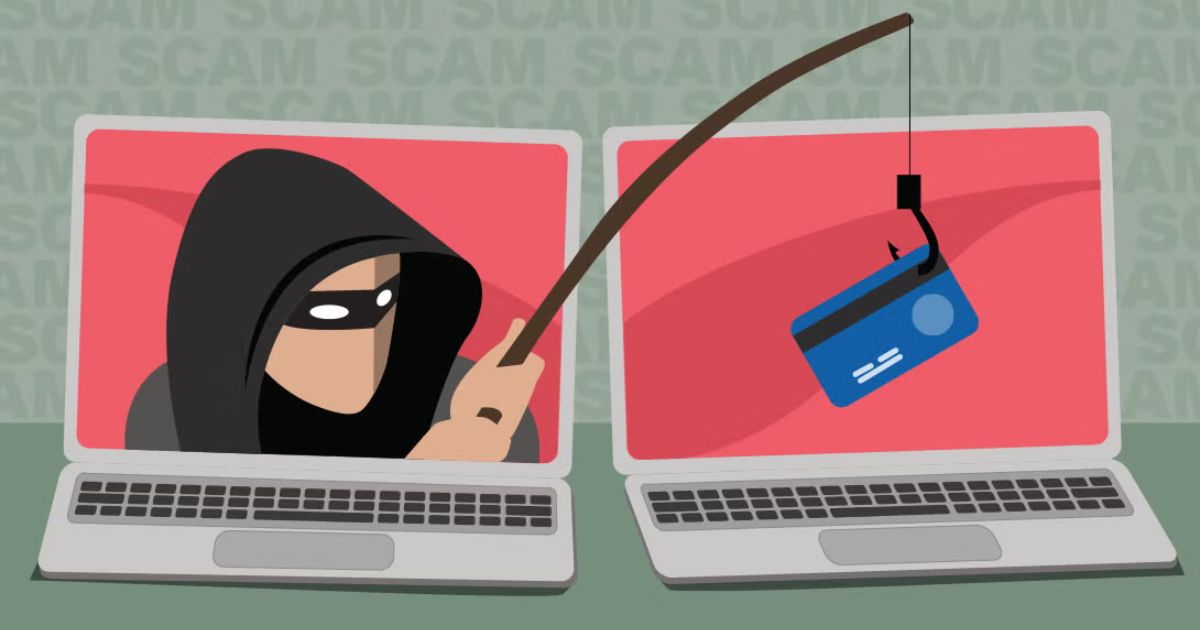
Imagine waking up to discover that your lifetime savings, carefully built up in your SACCO account over years of hard work, have vanished overnight. With financial fraud becoming more aggressive every day, investment scams in Kenya are stealing billions of shillings from unsuspecting SACCO members and retirees. Protecting your hard-earned wealth requires constant alertness, practical financial knowledge and reliable support from trusted platforms like Sacco Champions. In this complete guide, we reveal how modern scammers operate, the dangerous red flags to avoid and step-by-step measures every SACCO member can take to safeguard their money.
Why SACCO Members in Kenya Are Prime Targets for Fraudsters.
Savings and Credit Co-operative Organizations (SACCOs) form the backbone of wealth creation for millions of Kenyans. SACCOs allow members to pool funds, access affordable credit and earn attractive annual dividends. However, this high concentration of liquid cash makes SACCO members the primary target for organized fraud syndicates.
Scammers understand the financial calendar of Kenyan SACCOs very well. Between January and April every year, SACCOs hold their Annual General Meetings (AGMs) and pay out billions of shillings in dividends and interest on deposits. Con artists launch targeted marketing campaigns during this exact window, offering fake investment deals designed to snatch these lump-sum payouts.
Furthermore, fraudsters exploit the strong culture of trust built inside SACCOs and community Chamas. They use social engineering to convince one influential member or official to join a fake scheme. Once that trusted person joins, dozens of fellow SACCO members quickly follow suit without performing independent background checks, leading to massive financial losses across the entire group.

Common Types of Investment Scams in Kenya to Watch Out For.
To protect your money, you must understand the exact methods fraudsters use. Scammers constantly adapt their tricks, but most fraudulent schemes in Kenya fall under five main categories.
       +-------------------------------------------------------+
       |             COMMON INVESTMENT SCAMS IN KENYA          |
       +-------------------------------------------------------+
                                   |
    +------------------+-----------+-----------+------------------+
    |                  |                       |                  |
+---v------------+ +---v------------+     +----v-----------+ +----v-----------+
| Ponzi & Pyramid| | Fake Real      |     | Unregulated    | | Agribusiness   |
| Schemes        | | Estate Deals   |     | Crypto & Forex | | & Quail Scams |
+----------------+ +----------------+     +----------------+ +----------------+
1. High-Yield Investment Programs (HYIPs) and Ponzi Schemes.
Ponzi schemes are among the most destructive investment scams in Kenya. They promise extremely high returns with little to no risk. These schemes do not generate real profit from actual business activities. Instead, they use money collected from new investors to pay off older investors.
Eventually, the influx of new members slows down, the owners vanish with the capital, and the entire system collapses. Popular examples that have hit Kenya over the years include fake public wealth funds, gift circles and automated task-earning mobile applications that collapse within months.
2. Fake Real Estate and Land Buying Schemes.
Land ownership is a major dream for most Kenyans, making real estate a favorite magnet for fraudsters. Rogue property companies advertise cheap plots of land with promises of rapid infrastructure development, high capital growth and ready title deeds.
In reality, these companies often sell non-existent land, public utility space or ancestral land tied up in legal disputes. In worse cases, a single plot of land is fraudulently sold to multiple SACCO members simultaneously using forged ownership documents.
3. Unregulated Cryptocurrency and Forex Trading Apps.
As digital finance grows across East Africa, scammers have turned to fake cryptocurrency platforms and automated foreign exchange (Forex) trading bots. These fraudsters launch sleek websites and mobile applications promising daily profits ranging from 5% to 20%.
They encourage SACCO members to withdraw their savings or take quick SACCO emergency loans to fund their digital trading wallets. Once the victim deposits a significant amount, the app blocks all withdrawal requests, claims technical errors and demands additional “tax fees” before disappearing completely.
4. Fake SACCO Impersonation and Mobile App Fraud.
Cybercriminals now create fake social media pages, SMS text handles, and mobile apps that closely imitate legitimate, SASRA-regulated SACCOs. They offer instant double-dividend loans or pre-approved credit lines if members share their secret banking credentials.
Once you enter your M-Pesa PIN, SACCO USSD codes or mobile banking passwords on these fake platforms, scammers drain your savings accounts and max out your mobile loan limits in minutes.
5. Fake Agribusiness and Contract Farming Schemes.
Agribusiness scams prey on urban SACCO members looking for passive income opportunities in agriculture. Fraudsters pitch contract farming deals for high-value items like specialized poultry, greenhouse crops or timber farming.
Investors are told to buy a farm unit with a promise that the management company will tend to the crops or animals and buy back the produce at guaranteed inflated rates. Once the company collects millions from investors, they blame natural disasters, fake diseases or market crashes to avoid paying out profits.
Major Red Flags: How to Spot Investment Scams Instantly.
Before moving your money out of your SACCO to invest elsewhere, evaluate the opportunity against these critical warning signs. If an investment offer displays even one of these red flags, step away immediately.
- Guaranteed High Returns with Zero Risk: No legitimate investment can guarantee extremely high profits with zero market risk. If an opportunity offers fixed monthly returns exceeding normal market averages, it is almost certainly a trap.
- Pressure to Act Immediately: Scammers create a false sense of urgency. They tell you that “only five slots are remaining” or that “the offer expires tonight” to stop you from thinking clearly or seeking professional financial advice.
- Lack of Proper Regulation: Every legal investment firm in Kenya must be licensed and regulated by a recognized government body. For example the Sacco Societies Regulatory Authority (SASRA), Capital Markets Authority (CMA) or Central Bank of Kenya (CBK).
- Vague or Secret Business Models: If the promoter cannot explain clearly and simply how the business generates income, do not invest. Phrases like “secret algorithm,” “exclusive trading strategy,” or “offshore market arbitrage” are often used to hide fraud.
- Over-Emphasis on Member Recruitment: If your primary way to make money is by inviting your friends, colleagues and family members rather than from a real product or service, you are looking at a classic pyramid scheme.
- Unusual Payment Methods: Be cautious when asked to pay investment capital into personal M-Pesa mobile numbers, unregulated international crypto wallets or bank accounts registered under names different from the company.
Step-by-Step Guide: How SACCO Members Can Protect Their Savings.
Safeguarding your hard-earned wealth requires a proactive approach. By adopting strong financial habits, you can protect your SACCO deposits while still growing your assets safely.
       +-------------------------------------------------------+
       |         5 STEPS TO PROTECT YOUR SACCO SAVINGS        |
       +-------------------------------------------------------+
                                   |
  1. VERIFY REGULATION  ---> Check SASRA, CMA, or CBK status
                                   |
  2. CONDUCT DUE DILIGENCE -> Search titles, land registries, & records
                                   |
  3. REINVEST SAFELY    ---> Keep funds in regulated SACCO products
                                   |
  4. BUILD LITERACY     ---> Seek expert advice at saccochampions.co.ke
                                   |
  5. SECURE CREDENTIALS ---> Keep your M-Pesa & banking PINs secret
Step 1: Verify Licensing with Regulators.
Never hand over your money to any company without confirming its legal standing. You can easily verify if a company is registered and authorized to collect public funds by checking official regulatory registries in Kenya:
| Regulator | Oversight Scope | How to Verify |
| SASRA | Deposit-Taking and Regulated Non-Deposit Taking SACCOs | Visit the official SASRA portal to inspect the licensed SACCO list. |
| CMA | Investment Banks, Fund Managers, Collective Investment Schemes | Check the CMA public register for approved capital market operators. |
| CBK | Commercial Banks, Microfinance Banks, Digital Credit Providers | Access the CBK website to confirm active banking and lending licenses. |
Step 2: Perform Thorough Land and Real Estate Due Diligence.
If you plan to use your SACCO dividends or development loans to purchase real estate, perform comprehensive physical and legal checks:
- Obtain a official search from the Ministry of Lands using the parcel number to verify the true registered owner.
- Visit the property physically to confirm the boundaries, terrain and social infrastructure rather than relying only on promotional photos.
- Ensure the seller has a valid, clean land title free from bank charges, court injunctions or family disputes.
- Engage an independent conveyancing advocate to draft and review the sale agreement instead of relying on the seller’s lawyer.
Step 3: Reinvest Dividends Within Regulated SACCO Products.
Instead of searching for risky external schemes, consider reinvesting your annual SACCO dividends directly back into your SACCO. Most well-managed SACCOs offer attractive, low-risk internal wealth growth options:
- Capitalizing Dividends into Share Capital: Increasing your non-refundable share capital boosts your institutional ownership and earns you perpetual dividend income every year.
- Fixed Deposit Accounts: Moving money into your SACCO’s fixed deposit account locks in competitive interest rates while keeping your capital completely safe.
- Development Projects: Many top SACCOs run dedicated housing co-operatives that source verified, affordable land and housing projects for their members at discounted prices.
Step 4: Empower Yourself Through Continuous Financial Literacy.
Financial literacy is your strongest line of defense against fraud. SACCO boards, management teams and individual members should prioritize professional education to keep up with changing financial trends and emerging digital risks. Working with expert training partners like Sacco Champions helps SACCO members make informed, research-backed financial decisions that protect their long-term wealth.
Step 5: Secure Your Digital and Mobile Credentials.
Protect your personal identity and financial accounts with the same level of care you give to physical cash:
- Never share your M-Pesa PIN, SACCO mobile banking passwords, or OTP security codes with anyone, even callers claiming to be SACCO staff.
- Avoid accessing your SACCO account using public Wi-Fi networks in internet cafes or restaurants.
- Regularly update your banking credentials and activate two-factor authentication (2FA) across all digital apps.
What to Do If You Fall Victim to an Investment Scam in Kenya.
If you realize that you have inadvertently invested in a fraudulent scheme, taking immediate action can help contain the damage and increase your chances of recovering your funds.
                  SUSPECT AN INVESTMENT SCAM?
                               |
            +------------------+------------------+
            |                                     |
   +--------v-------+                    +--------v-------+
   | Immediate Action|                   | Formal Reports |
   +--------+-------+                    +--------+-------+
            |                                     |
   • Stop all payments                   • File DCI report
   • Gather evidence                     • Notify your SACCO
   • Freeze compromised accounts         • Report to SASRA/CMA
1. Stop All Further Payments Immediately.
Fraudsters often try to extract more cash by claiming that your money is “frozen” and requires an extra legal, tax or release fee. Refuse to send any additional funds, regardless of the excuses given.
2. Gather All Evidence and Transaction Records.
Collect and organize all documentation related to the transaction. This includes bank statements, M-Pesa confirmation SMS messages, email correspondence, printed contracts, promotional flyers and social media chat transcripts.
3. File an Official Police Report.
Visit the nearest police station or report the matter directly to the Directorate of Criminal Investigations (DCI). The DCI features specialized units dedicated to handling financial fraud:
- Banking Fraud Investigations Unit (BFIU): Handles complex banking, SACCO and corporate financial crimes.
- Serious Crimes Unit / Cybercrime Unit: Investigates online investment scams, fake digital apps and identity theft.
4. Notify Your SACCO and Financial Regulators.
Inform your SACCO management immediately if your account credentials were compromised. Additionally, submit a formal complaint to SASRA or the CMA to help authorities trace the fraudsters and warn the public.
Comparison: Legitimate Investments vs. Investment. Scams.
Understanding the key operational differences between real wealth-building vehicles and fraudulent schemes will help you quickly evaluate any financial proposal presented to you.
| Feature | Legitimate Investments in Kenya | Investment Scams in Kenya |
| Regulatory Status | Fully licensed by SASRA, CMA or CBK | Unregulated, unregistered or uses fake credentials |
| Rate of Return | Realistic, tied to prevailing market dynamics | Unrealistically high, fixed and guaranteed |
| Risk Profile | Clearly documented with disclosed risk factors | Claims to be 100% risk-free with guaranteed payouts |
| Source of Profit | Genuine economic activity, production, or trade | Money collected from new members (Ponzi structure) |
| Withdrawal Policy | Clear, transparent terms with defined timelines | Delayed, blocked, or requires additional “processing fees” |
| Documentation | Legally binding contracts and verified receipts | Vague agreements, digital promises or no contracts |
The Role of SACCO Leadership in Shielding Members from Fraud.
Protecting SACCO members from investment scams in Kenya is a shared responsibility between individual savers and SACCO leaders. SACCO boards and management teams play a critical role in safeguarding their members’ financial security.
1. Organizing Regular Financial Education Workshops.
SACCOs should regularly hold member education days focused on personal financial management, retirement planning and scam awareness. Inviting certified financial planners and governance trainers helps members recognize bad investment deals before losing their savings.
2. Offering Safe, Competitive Internal Investment Options.
When SACCOs provide attractive, well-managed internal products—such as specialized land projects, wealth management funds or high-yielding fixed deposit schemes—members feel far less tempted to seek high-risk returns from external, unregulated sources.
3. Establishing Strong Internal Governance and Fraud Controls.
SACCO leadership must implement robust internal controls, sound risk management protocols, and strict adherence to regulatory guidelines. Partnering with specialized consultancy platforms like Sacco Champions ensures that SACCO board members and committee leaders gain the governance skills needed to manage member funds safely and transparently.
Conclusion: Take Control of Your Financial Future Today.
Your SACCO savings represent years of hard work, discipline, and personal sacrifice. While investment scams in Kenya continue to grow in complexity, you do not have to fall victim to financial predators. By verifying regulatory licenses, resisting high-pressure sales tactics, avoiding “get-rich-quick” promises and continuously building your financial knowledge, you can keep your savings safe and achieve genuine, long-term financial independence.
Never let impulsive decisions jeopardize your financial security. Always consult certified financial experts, perform thorough background checks on every investment offer and work closely with reputable educational platforms like Sacco Champions to protect your money.
Frequently Asked Questions (FAQs).
1. What are the most common investment scams in Kenya today?
The most widespread investment scams in Kenya include Ponzi and pyramid schemes, fake real estate and land buying offers, unregulated forex and crypto trading apps, agribusiness contract scams and mobile app impersonation fraud targeting SACCO members.
2. How can I check if an investment company is legal in Kenya?
You can confirm a company’s legal status by searching the public registries of official regulators. Check SASRA for SACCOs, the Capital Markets Authority (CMA) for fund managers and investment schemes, and the Central Bank of Kenya (CBK) for banks and digital lenders.
3. Are my SACCO savings safe from external scammers?
Your savings are secure as long as you do not share your confidential security credentials, such as your M-Pesa PIN, USSD codes or mobile app passwords. Always deal directly with official SACCO branch offices or verified digital channels.
4. How does SASRA protect SACCO members from investment fraud?
SASRA regulates and monitors SACCOs in Kenya to ensure they follow strict financial management practices, maintain proper capital reserves and undergo regular audits. This oversight keeps SACCO operations safe, stable and transparent.
5. What should I do if an investment opportunity offers guaranteed 20% monthly profits?
Walk away immediately. Legitimate investment opportunities do not guarantee unusually high returns with zero risk. Any offer promising fixed, massive monthly profits is a primary indicator of a Ponzi or pyramid scheme.
6. Why do fraudsters target SACCO members during dividend payout seasons?
Scammers target SACCO members between January and April because members receive substantial lump-sum dividend and interest payments during this period, making them ideal targets for high-return investment traps.
7. Can I recover money lost to an online investment app scam?
Recovering funds lost to online scams can be difficult, but taking swift action improves your chances. Report the fraudulent platform immediately to the DCI Banking Fraud Investigations Unit, your bank and mobile money providers to trace and block the accounts.
8. How do fake land buying schemes work and how can I avoid them?
Fraudulent real estate companies sell non-existent, public or encumbered land using fake title deeds. Avoid these scams by conducting an official land search at the Ministry of Lands, visiting the plot in person and hiring an independent lawyer.
9. Is cryptocurrency trading regulated in Kenya?
Cryptocurrency is currently not regulated as legal tender by the Central Bank of Kenya (CBK). Because these platforms lack regulatory oversight, investing in crypto trading apps carries significant risk of financial loss.
10. Where can SACCO boards and members get professional financial governance training?
SACCO boards, supervisory committees, and members can access specialized financial literacy, compliance and governance training by visiting Sacco Champions. Professional training helps SACCOs build strong internal fraud controls and protect member savings.