
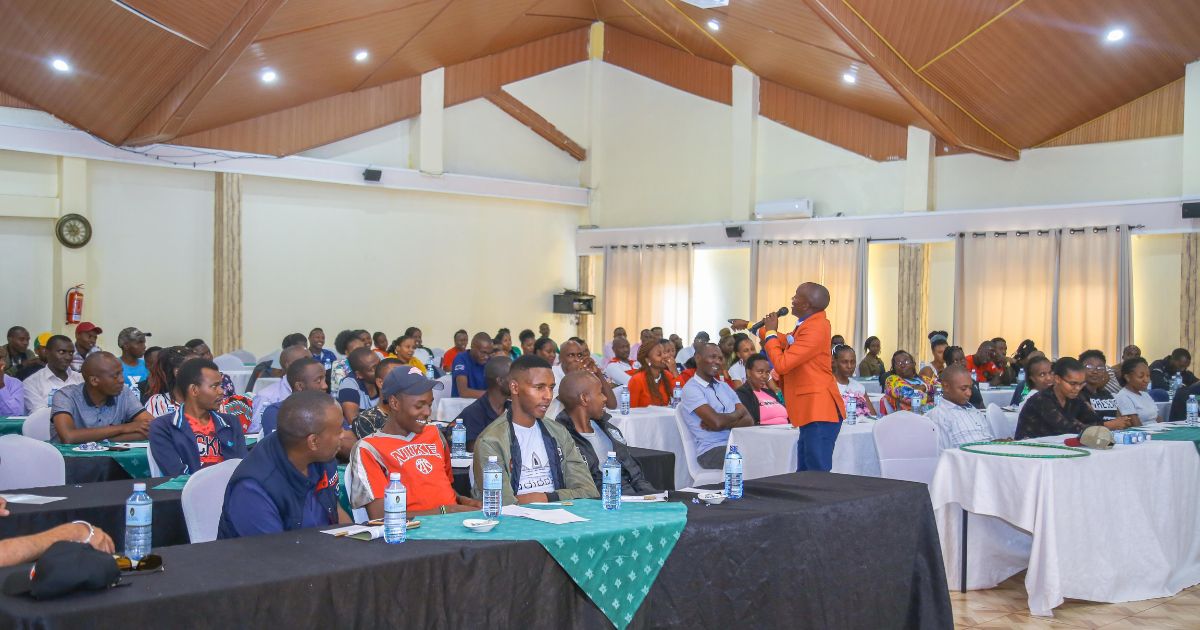
The cooperative movement in Kenya is one of the most vibrant and fastest-growing financial sectors in Africa. Millions of Kenyans rely on Savings and Credit Cooperative Societies (SACCOs) for their financial well-being, homeownership and business capital. With this massive responsibility comes the need for strong, ethical and visionary leadership. This is exactly where SACCO board training in Kenya becomes an absolute necessity.
When members elect a board of directors, they place their hard-earned money and trust in the hands of these leaders. However, being popular or successful in other professions does not automatically make someone an expert in running a complex financial institution. Directors must understand legal frameworks, regulatory requirements and financial oversight to succeed. Through proper governance training, cooperative leaders transition from ordinary members to highly effective custodians of public wealth.
Whether you are a newly elected committee member or a seasoned chairman, continuous learning is the secret to a thriving cooperative. In this comprehensive guide, we will explore why modern SACCO governance in Kenya requires professional training, the core skills every director needs and how partnering with experts at www.saccochampions.co.ke can transform your institution.
Why SACCO Board Training in Kenya is Essential Today.
Managing a modern SACCO is no longer just about receiving deposits and giving out loans. Today, the financial landscape is highly regulated, competitive and driven by technology. Directors must navigate complex challenges while ensuring the institution remains profitable.
1. Navigating Strict Regulatory Frameworks.
The Sacco Societies Regulatory Authority (SASRA) has set very strict operational guidelines for both deposit-taking and non-deposit-taking SACCOs in Kenya. Ignorance of these laws is never an excuse. Directors are legally bound to ensure their institutions comply with all SASRA regulations. Comprehensive training helps board members understand these legal obligations, from capital adequacy ratios to liquidity management, ensuring the SACCO avoids costly fines or license revocation.
2. Protecting Member Funds and Trust.
The primary duty of any SACCO board is to protect the money invested by its members. Without proper financial training, a board can easily make poor investment decisions or fail to spot internal fraud. Governance training equips directors with the skills to implement strict internal controls. By learning how to read financial reports and audit findings, the board can ask the right questions and hold the management team accountable.
3. Separating Oversight from Management.
One of the most common causes of conflict within cooperative society management in Kenya is the blurring of lines between the board and the management team. The board’s role is to provide strategic oversight and formulate policies, while the CEO and staff handle daily operations. Professional training provides clear boundaries. It teaches directors how to govern without micro-managing, creating a harmonious and efficient working environment.
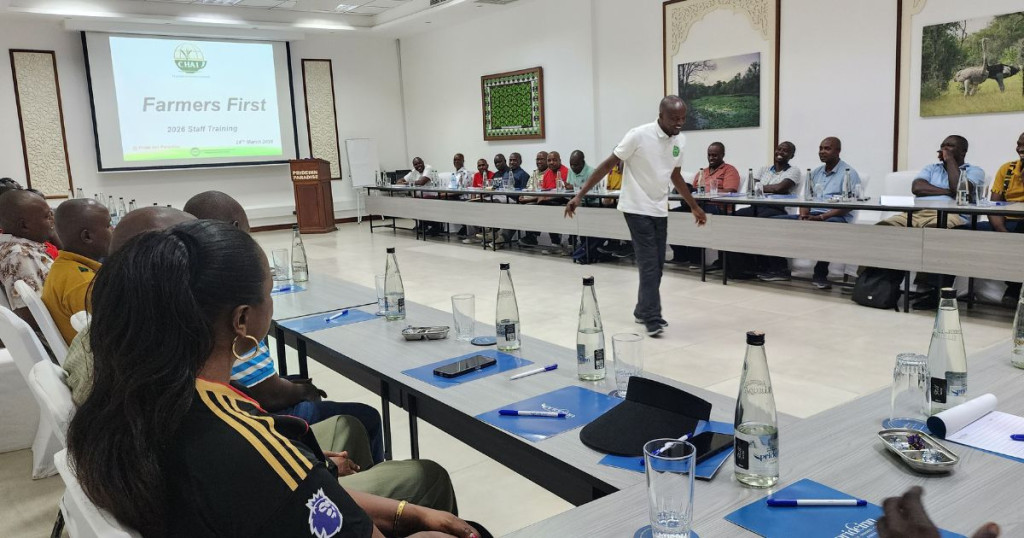
Core Modules of Effective SACCO Board of Directors Training.
For a SACCO to thrive, its leaders must possess a diverse set of skills. The best SACCO training institutions in Kenya design their curriculums to address the specific realities of the local financial market. Here are the core modules that every board member must master:
1. Corporate Governance and Ethics.
Good corporate governance is the foundation of any successful financial institution. This module focuses on the principles of transparency, accountability and ethical leadership. Directors learn about their fiduciary duties—the duty of care and the duty of loyalty. They are taught how to handle conflicts of interest, such as insider borrowing and how to conduct effective board meetings that yield strategic results rather than endless debates.
2. Financial Management and Oversight.
You cannot govern a financial institution if you do not understand numbers. Many newly elected directors struggle to interpret complex financial data. Effective SACCO leadership skills training breaks down financial reporting into simple, understandable concepts. Directors learn how to analyze balance sheets, income statements and cash flow reports. They are taught how to interpret key performance indicators (KPIs) and how to ensure the SACCO maintains a healthy dividend payout without risking its core capital.
3. Risk Management and Internal Controls.
Every financial decision carries a certain level of risk. The board must be able to identify, assess and mitigate risks before they cripple the institution. This training module covers credit risk (the risk of loan defaults), operational risk (fraud and system failures) and liquidity risk (not having enough cash to meet member demands). Directors learn how to establish strong audit committees and how to enforce risk management policies that safeguard the institution’s assets.
4. Strategic Planning and Visionary Leadership.
A SACCO without a clear long-term plan will eventually stagnate. The board of directors is the chief architect of the institution’s future. During training, leaders learn how to develop, monitor and evaluate 3-year or 5-year strategic plans. They explore how to analyze market trends, evaluate competitor behavior and introduce innovative financial products that appeal to a younger demographic. Strategic leadership ensures the SACCO remains relevant in a fast-changing economy.
The Benefits of Professional Governance Training.
Investing in high-quality SACCO board training in Kenya yields massive, long-term benefits for the institution, its members, and the leaders themselves.
1. Improved Institutional Performance.
Trained boards make better, data-driven decisions. When leaders understand financial metrics and market trends, they can guide the SACCO toward profitable investments. This directly translates to better service delivery, faster loan processing times, and higher annual dividends for the members.
2. Enhanced Member Trust and Confidence.
Members are more likely to save their money and borrow from an institution they trust. When a SACCO demonstrates that its board is professionally trained and fully compliant with SASRA guidelines, it builds a strong reputation. Transparent leadership minimizes internal politics and member disputes, leading to a unified, growing cooperative.
3. Reduced Legal and Financial Exposure.
When directors understand their legal boundaries, the SACCO avoids unnecessary lawsuits and regulatory penalties. Furthermore, well-trained boards are quick to close any loopholes that could be exploited for fraud. By maintaining strict compliance and strong internal controls, the board protects itself from personal liability and protects the SACCO from financial ruin.
Understanding SASRA Compliance Requirements.
For any SACCO operating in Kenya, compliance is not optional; it is mandatory. SASRA continues to update its frameworks to protect the public from financial mismanagement. Effective training ensures that directors are fully aware of these critical compliance areas:
1. The “Fit and Proper” Test.
SASRA requires all directors and senior management to pass a “fit and proper” test before taking office. This test assesses a leader’s financial background, educational qualifications and moral integrity. Training prepares potential leaders for these vetting processes, ensuring the SACCO attracts and retains top-tier talent.
2. Anti-Money Laundering (AML) Regulations.
SACCOs are increasingly being used by criminals to clean illicit money. The government has imposed strict Anti-Money Laundering laws that cooperatives must follow. Board members must be trained on how to oversee Know Your Customer (KYC) procedures, how to monitor suspicious transactions and the legal protocols for reporting these activities to the Financial Reporting Centre (FRC).
3. Capital and Liquidity Ratios.
Directors must ensure that the SACCO maintains the minimum core capital required by law. They must also ensure that the institution has enough liquid cash to disburse loans and allow member withdrawals without delay. Failing to maintain these ratios flags the institution as high-risk and can invite severe regulatory sanctions.
Choosing the Best SACCO Training Institutions in Kenya.
With so much at stake, you cannot afford to leave your board’s education to chance. Selecting the right training partner is a critical strategic decision. You need an institution that understands the unique DNA of the Kenyan cooperative movement.
Why Partner with www.saccochampions.co.ke?
If you are looking for practical, engaging and transformational governance training, look no further than www.saccochampions.co.ke. As a premier provider of cooperative capacity building in Kenya, they offer customized solutions designed to meet the specific needs of your institution.
-
Expert Facilitators: Their trainers are seasoned industry professionals who understand SASRA regulations and cooperative law inside and out.
-
Customized Curriculums: Whether you need a quick induction for new committee members or a comprehensive weekend governance retreat for the entire board, they tailor the content to fit your SACCO’s size and goals.
-
Practical Learning: They move beyond theoretical textbook concepts and focus on real-world case studies, ensuring directors can apply what they learn immediately.
-
Continuous Support: Training does not stop at the seminar. They provide ongoing advisory services to help boards implement new policies and navigate emerging challenges.
Visit www.saccochampions.co.ke today to book a customized governance and leadership program that will elevate your SACCO to the next level.
Emerging Trends in Cooperative Society Management in Kenya.
The SACCO sector is evolving rapidly. Directors must stay updated on modern trends to keep their institutions competitive. Quality training programs now incorporate these forward-looking topics:
1. Digital Transformation and Cybersecurity.
Kenyans now expect to access their money and apply for loans directly from their smartphones. While mobile banking brings immense convenience, it also exposes the SACCO to cyber threats. Modern board training teaches directors how to oversee digital transformation safely. Boards learn how to approve budgets for secure IT infrastructure and how to implement strict cybersecurity policies to prevent hacking and data breaches.
2. Attracting the Youth Demographic.
Historically, SACCOs have been dominated by older, formally employed individuals. Today, the informal sector and the youth represent the biggest growth opportunities. Forward-thinking boards are trained on how to design inclusive financial products that appeal to younger generations, ensuring the SACCO’s membership continues to grow well into the future.
3. Environmental, Social and Governance (ESG) Practices.
Global financial standards are shifting towards sustainability. Modern SACCOs are expected to adopt ESG frameworks. This means making investment decisions that are environmentally friendly, promoting social equity within the community, and maintaining flawless governance. Training helps boards integrate ESG goals into their strategic plans, making the SACCO more attractive to potential institutional investors and partners.
Conclusion: SACCO board training in Kenya.
The success or failure of any cooperative society rests squarely on the shoulders of its leadership. In today’s highly regulated and fiercely competitive environment, good intentions are simply not enough. Directors must be equipped with the right knowledge, tools and ethical grounding to steer their institutions toward prosperity.
Investing in SACCO board training in Kenya is the most reliable way to ensure SASRA compliance, protect member funds and drive sustainable growth. By prioritizing corporate governance, financial literacy and strategic planning, boards can transform their cooperatives into world-class financial institutions. Equip your leadership team with the best skills today by partnering with industry experts at www.saccochampions.co.ke, and watch your SACCO achieve unprecedented success.
Frequently Asked Questions (FAQs).
1. What is SACCO board training in Kenya?
It is a specialized educational and capacity-building program designed to equip SACCO directors with essential skills in corporate governance, financial management, risk oversight and regulatory compliance to help them run cooperative societies effectively.
2. Who should attend SACCO governance training?
This training is highly recommended for newly elected board members, existing directors, supervisory committee members, CEOs and senior management teams within the cooperative society.
3. Why is SASRA compliance training important for board members?
SASRA sets strict rules on how deposit-taking and specified non-deposit-taking SACCOs must operate. Compliance training ensures board members understand these legal obligations, preventing the SACCO from facing heavy fines or losing its operating license.
4. How often should a SACCO board undergo training?
Best practices dictate that all new directors should undergo an immediate induction training upon election. Furthermore, the entire board should participate in continuous professional development and refresher courses at least once a year.
5. What is the difference between the board of directors and SACCO management?
The board of directors is responsible for setting the strategic vision, creating policies and providing oversight. The management team, led by the CEO, is responsible for executing those policies and running the day-to-day operations of the SACCO.
6. Can poor board decisions make a director personally liable?
Yes. Under Kenyan cooperative law, directors have a fiduciary duty to act in the best interest of the members. If a director acts recklessly, engages in fraud or blatantly ignores SASRA guidelines, they can be held personally liable for financial losses.
7. How does board training improve SACCO dividends?
Proper training equips leaders with strategic planning and financial oversight skills. This leads to better investment decisions, reduced operational waste and lower loan default rates, which ultimately increases the surplus available for member dividends.
8. What topics are covered in a standard SACCO induction program?
A standard induction covers cooperative principles, the Sacco Societies Act, SASRA regulations, reading financial statements, risk management, conflict resolution and the roles and responsibilities of different board committees.
9. Why should our SACCO hire www.saccochampions.co.ke for training?
www.saccochampions.co.ke is a premier institution specializing in cooperative leadership. They offer highly experienced facilitators, customized and practical curriculums, and up-to-date insights on Kenyan regulatory frameworks to transform your board.
10. How does board training help in risk management?
Training teaches directors how to identify potential threats—such as cyber-attacks, loan defaults and internal fraud—before they happen. It guides the board on how to establish robust internal controls and audit systems to protect member savings.