
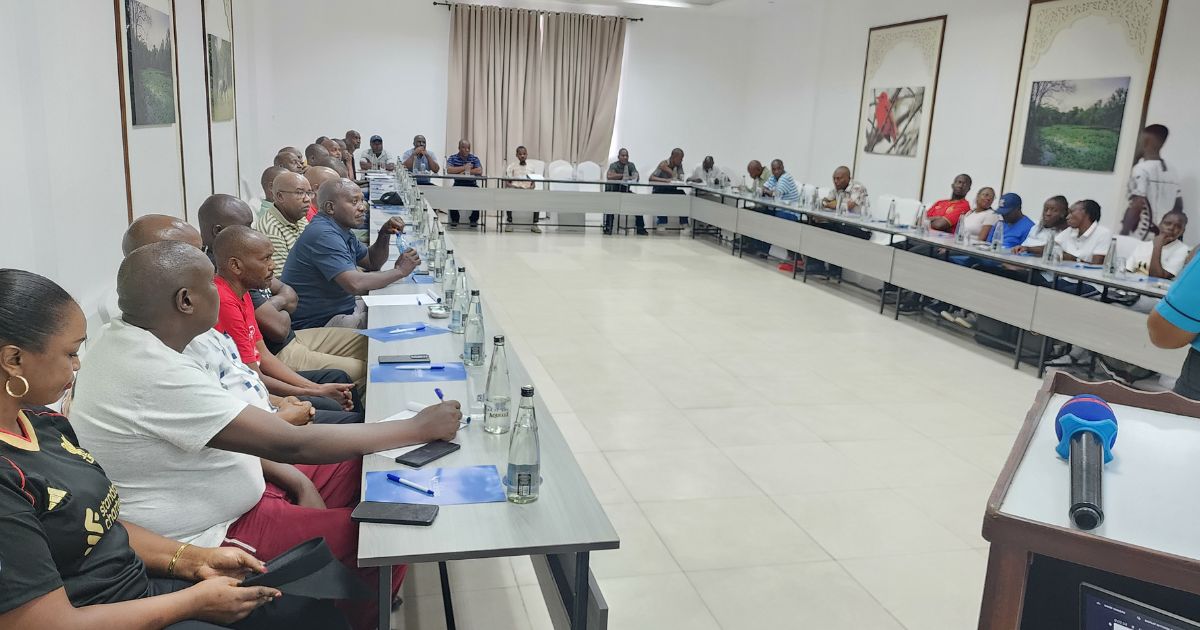
Being elected to the board of a Savings and Credit Cooperative Organization (SACCO) is a major milestone and a sign of immense trust from the members. However, transitioning from a regular cooperative member to a director requires a completely new set of technical and leadership skills. The moment a new director takes office, they become legally and strategically responsible for the financial security of thousands of members. This sudden transition can be overwhelming without the right preparation. That is why comprehensive SACCO board induction training in Kenya is an absolute necessity for every cooperative society in Kenya.
A properly structured induction program ensures that new leaders understand their mandate, regulatory expectations and how to protect member funds. Without this foundational knowledge, boards often struggle with compliance issues, internal conflicts and poor strategic decisions. By partnering with industry experts at www.saccochampions.co.ke, your cooperative can access professional, highly tailored training programs designed to transform newly elected officials into highly effective, compliant and visionary leaders.
In this comprehensive guide, we will explore why board induction is critical, the core skills new directors must master and how professional governance training leads to a stable and highly profitable SACCO.
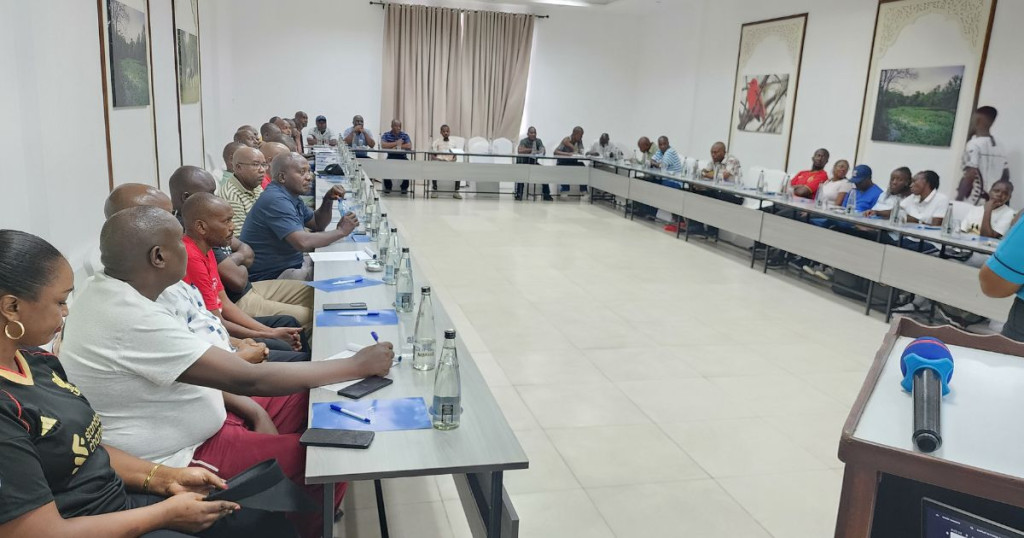
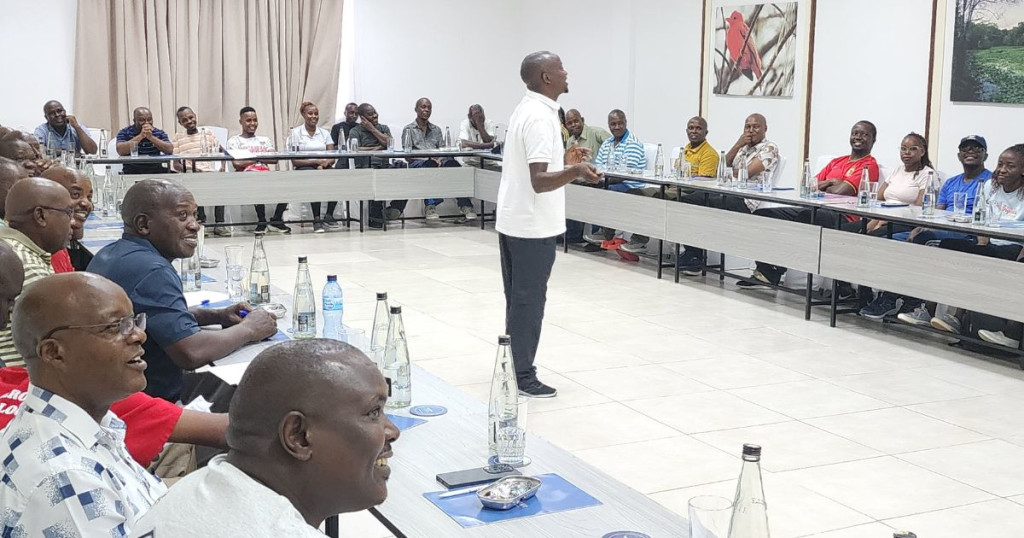
Why SACCO Board Induction Training in Kenya is Critical.
The SACCO sector in Kenya is one of the most vibrant and rapidly growing financial sectors in Africa. With billions of shillings in member deposits, the stakes have never been higher. When new directors join a board, they often bring immense passion and diverse professional backgrounds. However, they may lack specific knowledge regarding cooperative laws, financial regulations and corporate governance.
Board induction bridges this crucial knowledge gap. It provides new officials with a clear roadmap of what is expected of them legally and ethically. Many SACCOs experience operational challenges simply because the board oversteps its mandate and interferes with the daily operations of the management team. Induction training clearly defines the boundaries between governance (the board’s job) and management (the CEO and staff’s job).
Furthermore, the Sacco Societies Regulatory Authority (SASRA) demands strict adherence to governance standards. A board that operates without formal training is a massive risk to the institution. Training minimizes these risks, ensures a smooth leadership transition and sets a strong foundation for sustainable growth and member confidence.
The Clear Distinction Between Board and Management.
One of the most common challenges in Kenyan SACCOs is the blurring of lines between the board of directors and the executive management team. A key objective of board induction is to clarify these boundaries to prevent conflict and operational bottlenecks.
The Role of the Board:
The board is responsible for foresight, oversight, and insight. Their primary job is to develop the long-term strategic vision of the SACCO, formulate internal policies and ensure that the management team is operating within the law. The board hires the CEO, approves the annual budget and monitors overall financial performance. They do not handle daily administrative tasks.
The Role of Management:
Led by the Chief Executive Officer (CEO), the management team is responsible for the daily execution of the board’s policies. They process loans, manage staff, handle member complaints and prepare financial reports.
When new directors undergo professional training, they learn how to hold management accountable without micromanaging them. This creates a harmonious, highly efficient working environment.
Core Pillars of SACCO Board Induction Training in Kenya for New Directors.
To govern effectively, new directors must be trained on several critical pillars of cooperative management. Professional facilitators ensure that complex topics are broken down into simple, easy-to-understand concepts.
1. Understanding Corporate Governance in SACCOs.
Corporate governance refers to the system of rules, practices and processes by which a SACCO is directed and controlled. Good governance ensures fairness, transparency and accountability. During training, directors learn how to conduct effective board meetings, how to form and manage board committees (such as the audit or credit committees), and how to communicate transparently with SACCO members during the Annual General Meeting (AGM).
2. Mastering SASRA Compliance Requirements.
Compliance is the lifeline of any regulated financial institution. SASRA has strict guidelines that both Deposit-Taking (DT) and Non-Withdrawable Deposit-Taking (NWDT) SACCOs must follow. New directors must be educated on these regulatory requirements to avoid heavy penalties or the revocation of their operating license.
Training covers key SASRA compliance requirements for SACCOs, including:
-
Capital Adequacy: Ensuring the SACCO maintains the required minimum capital to absorb potential financial shocks.
-
Liquidity Management: Ensuring the institution always has enough cash on hand to process member withdrawals and issue loans smoothly.
-
Regulatory Reporting: Understanding the mandatory monthly, quarterly and annual reports that must be submitted to the regulator accurately and on time.
3. Fiduciary Duties and Legal Obligations.
When a member becomes a director, they assume legal responsibilities known as fiduciary duties. If a director acts recklessly, they can be held personally liable for the financial losses of the SACCO. Board induction training breaks down these legal obligations in simple terms:
-
Duty of Care: Directors must make informed, careful decisions based on accurate data, not guesswork.
-
Duty of Loyalty: A director must always put the interests of the SACCO and its members above their own personal interests.
-
Duty of Obedience: Directors must ensure the SACCO operates strictly within its by-laws, the Co-operative Societies Act, and all national laws.
-
Managing Conflict of Interest: Training teaches directors how to identify and officially declare conflicts of interest, especially regarding insider borrowing or procurement processes.
4. Financial Literacy and Board Oversight.
You cannot govern a financial institution if you do not understand numbers. Many new directors struggle to interpret complex financial data. Effective SACCO board induction training in Kenya simplifies financial reporting.
Directors are taught how to read and analyze balance sheets, income statements, and cash flow reports. They learn how to spot red flags in financial audits and how to track the overall financial health of the cooperative. This ensures they can ask the management team the right questions and prevent financial mismanagement before it happens.
5. Risk Management and Internal Controls.
Every financial institution faces risks and it is the board’s job to ensure those risks are managed appropriately. Effective risk management in SACCOs involves identifying potential threats and creating policies to mitigate them.
-
Credit Risk: This is the highest risk for any SACCO. Directors learn how to formulate strong credit policies to prevent Non-Performing Loans (NPLs) and loan defaults.
-
Operational Risk: This involves protecting the SACCO from internal fraud, poor record-keeping and staff negligence. Training emphasizes the importance of strong internal audit functions.
-
Cybersecurity Risk: As SACCOs digitize their operations through mobile banking and virtual platforms, directors must understand how to approve budgets for robust cybersecurity systems to protect member data.
6. Strategic Planning and Innovation.
A SACCO that does not plan for the future will eventually fail. The board is the chief architect of the institution’s strategic plan. Induction training guides new directors on how to analyze market trends, evaluate competitor behavior and design a realistic 3-year or 5-year strategic plan. This includes planning for digital transformation, expanding membership bases and introducing new, profitable financial products.
The Benefits of Professional Governance Training.
Investing in high-quality board training yields massive, long-term benefits for the cooperative.
Firstly, it significantly reduces legal and regulatory exposure. When the board understands the law, the SACCO avoids costly fines and reputational damage. Secondly, it protects member funds. A well-trained board implements strict internal controls that make fraud and embezzlement nearly impossible.
Finally, proper training increases member confidence. When members see that their elected officials are competent, professional and transparent, they are more likely to increase their savings and patronize the SACCO’s loan products. This directly boosts the institution’s profitability and dividend payouts.
Why Partner with www.saccochampions.co.ke?
Finding the right training partner is just as important as the training itself. Generic corporate training does not work for cooperatives because the SACCO business model is unique. You need experts who intimately understand the cooperative movement in Kenya.
This is why top-performing cooperatives rely on www.saccochampions.co.ke. As the premier provider of corporate governance training, they offer highly customized, interactive and practical induction programs. Their expert facilitators do not just read from a manual; they use real-world case studies, current SASRA regulations and practical scenarios to equip your board with actionable skills.
Whether you need a quick orientation for a newly elected committee member or a comprehensive 3-day governance retreat for the entire board, www.saccochampions.co.ke delivers results that immediately improve your SACCO’s leadership and operational efficiency.
Frequently Asked Questions (FAQs).
1. What is SACCO board induction training in Kenya?
It is a specialized educational program designed to equip newly elected SACCO directors with the necessary skills in corporate governance, regulatory compliance, financial oversight and risk management to perform their duties effectively.
2. Why is board induction necessary for newly elected SACCO directors?
Most new directors transition from being regular members and may lack the technical expertise required to govern a financial institution. Induction provides them with a clear understanding of their legal mandate, fiduciary duties and how to protect member funds.
3. What are the key SASRA compliance requirements for SACCO boards?
SASRA requires boards to ensure the SACCO maintains minimum capital adequacy, strict liquidity management ratios, ethical leadership, transparent financial reporting and robust internal control systems.
4. How often should a SACCO board undergo governance training?
While a comprehensive induction is mandatory immediately after an election, continuous professional governance training should ideally be conducted annually to keep the board updated on new regulations and market trends.
5. What are the fiduciary duties of a SACCO board member?
The main fiduciary duties include the Duty of Care (making informed decisions), the Duty of Loyalty (putting the SACCO’s interests above personal gain) and the Duty of Obedience (following the law and the SACCO’s by-laws).
6. Can a board member be held personally liable for a SACCO’s failure?
Yes. If an investigation proves that a board member acted with gross negligence, engaged in fraud or intentionally breached their fiduciary duties, they can be held personally liable for the financial losses incurred by the SACCO.
7. What is the difference between the board of directors and SACCO management?
The board of directors is responsible for setting the strategic vision, creating policies and providing oversight. The management team, led by the CEO, is responsible for executing those policies and running the daily administrative operations of the SACCO.
8. Does www.saccochampions.co.ke offer customized board induction?
Yes. They specialize in creating highly tailored training programs that address the specific challenges, size and operational goals of your unique cooperative society.
9. Who should attend SACCO induction training apart from directors?
In addition to the main board of directors, members of the Supervisory Committee, the CEO and senior management staff should attend to ensure everyone understands the governance framework and compliance expectations.
10. What are the common governance challenges faced by SACCOs in Kenya?
Common challenges include a lack of clear boundaries between the board and management, poor conflict of interest management, inadequate risk management policies and failure to comply with timely SASRA reporting.
Conclusion: SACCO board induction training in Kenya.
The success, stability, and growth of any cooperative heavily depend on the competence of its leadership. Transitioning into the role of a director is a heavy responsibility, but it does not have to be an overwhelming one. By prioritizing SACCO board induction training in Kenya, you empower your newly elected officials to govern with confidence, transparency and strategic vision.
Do not leave the financial security of your members to chance or guesswork. Equip your leadership team with the essential skills required for effective governance and strict regulatory compliance. Visit www.saccochampions.co.ke today to schedule a professional, high-impact induction program that will transform your board and secure the future of your cooperative.