
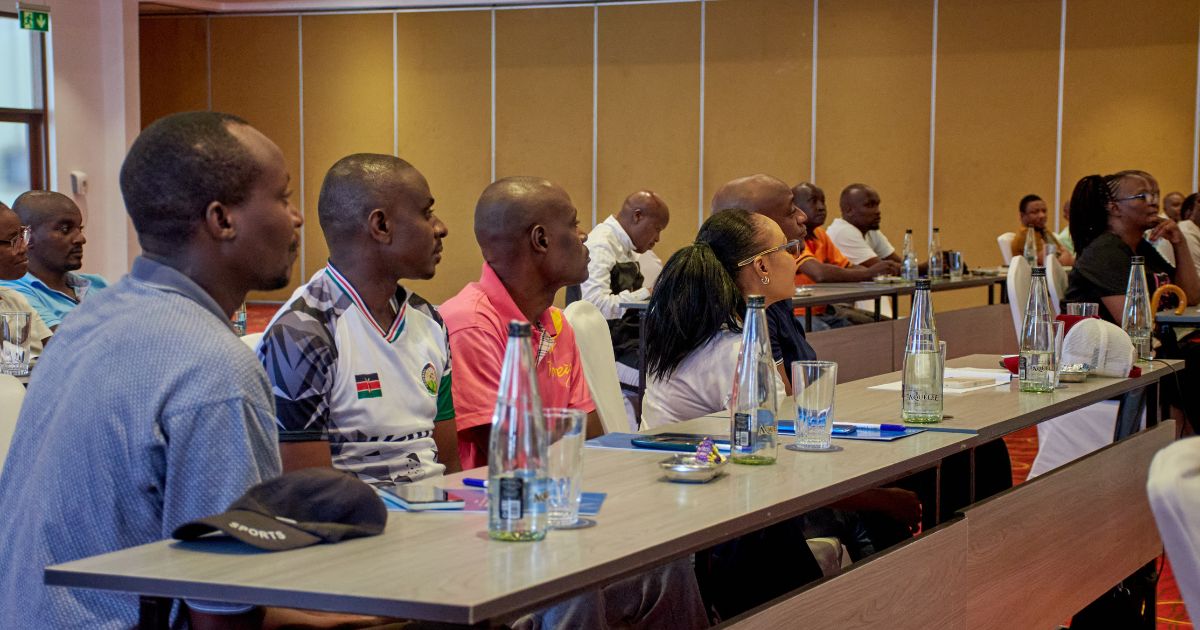
SACCO Internal Controls Training in Kenya is essential for SACCOs that want to strengthen governance, improve compliance and prevent fraud. As SACCOs continue to grow and manage larger member funds, the need for strong internal control systems becomes increasingly important. Effective internal controls help protect assets, ensure accountability, reduce operational risks and promote sustainable growth.
Today, regulators, board members, management teams and SACCO members expect high standards of transparency and accountability. Therefore, investing in internal controls training is a critical step toward building a stronger and more resilient SACCO.
Organizations seeking specialized SACCO capacity-building programs can access professional training solutions through www.saccochampions.co.ke.
What Are Internal Controls in a SACCO?
Internal controls are the policies, procedures, systems and processes that help a SACCO achieve its objectives while safeguarding resources. These controls ensure that operations are conducted efficiently, financial records are accurate, regulations are followed and risks are managed effectively.
Strong internal controls help SACCOs:
- Protect member funds.
- Prevent fraud and financial losses.
- Improve operational efficiency.
- Ensure regulatory compliance.
- Promote accountability.
- Strengthen governance structures.
- Enhance financial reporting accuracy.
As a result, SACCOs can build member confidence and maintain long-term stability.
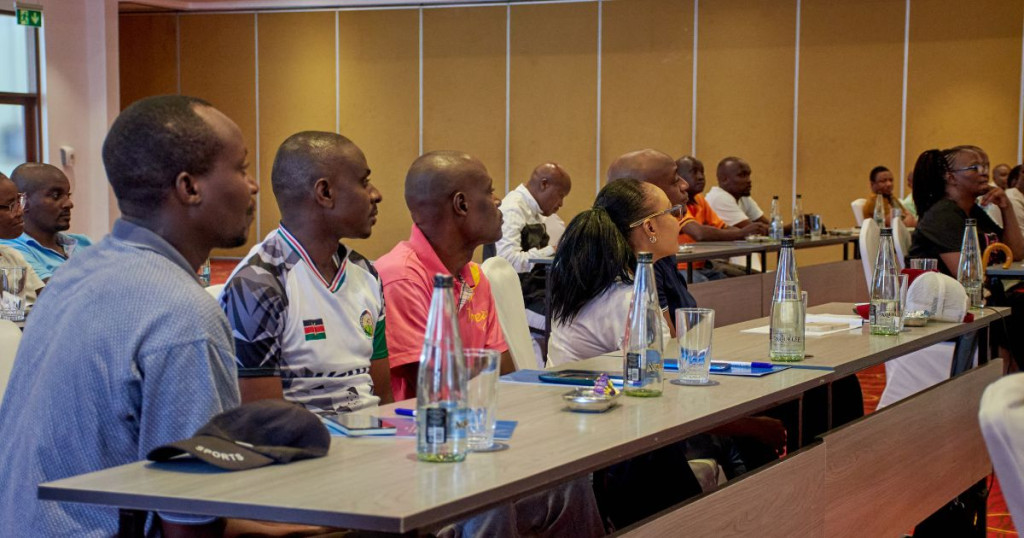
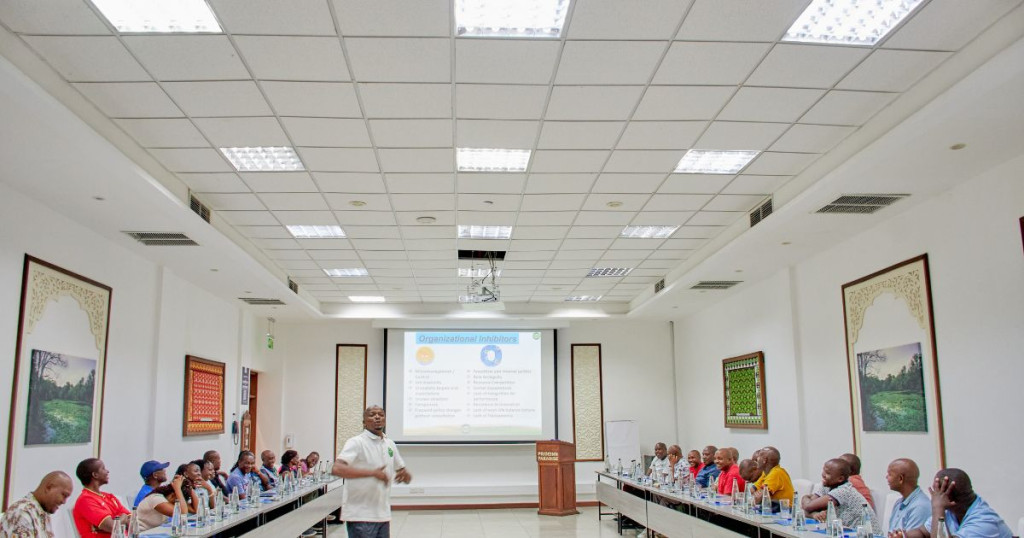
Why SACCO Internal Controls Training Is Important.
Many SACCOs face challenges related to fraud, weak governance, operational risks and compliance requirements. Internal controls training equips board members, supervisory committees, management teams and staff with the knowledge needed to identify risks and implement effective control measures.
Key reasons for training include:
- Strengthening risk management practices.
- Improving accountability and transparency.
- Enhancing compliance with regulations.
- Reducing fraud risks.
- Improving financial management.
- Supporting good governance.
Furthermore, trained personnel are better prepared to detect weaknesses before they become costly problems.
Key Areas Covered in SACCO Internal Controls Training.
1. Governance and Oversight Controls.
Good governance forms the foundation of effective internal controls. Training helps leaders understand their oversight responsibilities and decision-making roles.
Topics often include:
- Board responsibilities.
- Governance frameworks.
- Strategic oversight.
- Committee functions.
- Leadership accountability.
Strong governance structures improve organizational performance and member trust.
2. Risk Management and Internal Controls.
Risk management is an important component of SACCO operations. Therefore, participants learn how to identify, assess, monitor and mitigate risks.
Training covers:
- Risk identification.
- Risk assessment techniques.
- Control measures.
- Risk monitoring systems.
- Enterprise risk management.
These skills help SACCOs minimize financial and operational risks.
3. Fraud Prevention and Detection.
Fraud remains one of the biggest threats facing SACCOs. Internal controls training helps participants understand common fraud schemes and preventive measures.
Areas of focus include:
- Fraud risk assessment.
- Fraud detection techniques.
- Whistleblowing mechanisms.
- Internal investigations.
- Fraud prevention strategies.
As a result, SACCOs become more resilient against financial misconduct.
4. Financial Controls and Accountability.
Financial controls ensure that transactions are properly authorized, recorded and monitored.
Training topics include:
- Cash management controls.
- Budgetary controls.
- Financial reporting.
- Reconciliation procedures.
- Asset management.
Effective financial controls improve accountability and financial integrity.
5. Compliance and Regulatory Requirements.
SACCOs operate within a regulated environment. Therefore, compliance training helps institutions meet legal and regulatory obligations.
Key areas include:
- Regulatory compliance.
- Policy implementation.
- Reporting requirements.
- Governance standards.
- Internal audit recommendations.
Compliance reduces the risk of penalties and strengthens institutional credibility.
Benefits of SACCO Internal Controls Training in Kenya.
1. Improved Governance. Training helps boards and management teams understand their responsibilities and make better decisions. Consequently, governance structures become stronger and more effective.
2. Enhanced Fraud Prevention. Employees and leaders become more capable of identifying suspicious activities and implementing preventive measures.
3. Better Risk Management. SACCOs gain the tools needed to identify risks early and respond appropriately before significant losses occur.
4. Increased Regulatory Compliance. Training improves understanding of compliance obligations and regulatory expectations.
5. Improved Operational Efficiency. Strong internal controls streamline processes and reduce inefficiencies. As a result, SACCOs can serve members more effectively.
6. Greater Member Confidence. Members are more likely to trust institutions that demonstrate accountability, transparency and sound financial management.
Who Should Attend SACCO Internal Controls Training?
This training is highly beneficial for:
- SACCO Board Members.
- Supervisory Committee Members.
- Internal Auditors.
- Risk Management Officers.
- Chief Executive Officers.
- Finance Managers.
- Compliance Officers.
- Branch Managers.
- Credit Officers.
- Operations Managers.
- SACCO Staff.
Organizations can access customized training programs through www.saccochampions.co.ke to address specific governance and control challenges.
Common Internal Control Challenges Facing SACCOs.
Many SACCOs experience challenges that can weaken internal control systems.
These challenges include:
- Inadequate segregation of duties.
- Weak governance structures.
- Limited risk management frameworks.
- Poor documentation practices.
- Fraud and financial misconduct.
- Non-compliance with regulations.
- Inadequate monitoring systems.
Regular training helps institutions address these issues and strengthen organizational resilience.
Best Practices for Strengthening Internal Controls in SACCOs.
SACCOs can improve their internal control environment by implementing the following practices:
1. Establish Clear Policies and Procedures. Documented policies provide guidance and consistency across all operations.
2. Conduct Regular Risk Assessments. Regular risk assessments help identify vulnerabilities and prioritize corrective actions.
3. Strengthen Internal Audit Functions. Internal audits provide independent reviews of controls and operational processes.
4. Promote Accountability. Every employee should understand their responsibilities and be accountable for their actions.
5. Invest in Continuous Training. Ongoing training ensures that employees and leaders remain updated on emerging risks and regulatory requirements.
Professional training providers such as www.saccochampions.co.ke offer specialized programs that help SACCOs maintain effective internal control systems and strong governance practices.
Why SACCOs Need Continuous Internal Controls Training.
The financial sector continues to evolve, bringing new risks and compliance requirements. Therefore, SACCOs must continuously strengthen their internal control systems to remain competitive and compliant.
Regular training helps institutions:
- Adapt to changing regulations.
- Improve fraud prevention measures.
- Strengthen governance structures.
- Enhance operational efficiency.
- Protect member assets.
- Support sustainable growth.
Consequently, continuous learning becomes an important part of organizational success.
Conclusion: SACCO Internal Controls Training in Kenya.
SACCO Internal Controls Training in Kenya plays a vital role in strengthening governance, improving compliance and preventing fraud. Strong internal controls protect member funds, reduce risks and improve accountability throughout the organization.
As SACCOs continue to grow and face increasing regulatory expectations, investing in internal controls training becomes a strategic priority. Through professional capacity-building programs offered by www.saccochampions.co.ke, SACCO leaders and staff can develop the skills needed to build stronger, more resilient institutions.
Frequently Asked Questions (FAQs).
1. What is SACCO Internal Controls Training in Kenya?
It is a specialized training program designed to strengthen governance, compliance, risk management, accountability and fraud prevention within SACCOs.
2. Why are internal controls important in SACCOs?
Internal controls protect assets, improve financial accuracy, reduce fraud risks and support regulatory compliance.
3. Who should attend internal controls training?
Board members, supervisory committees, auditors, compliance officers, risk managers, finance staff and senior management teams should attend.
4. How does internal controls training help prevent fraud?
Training helps participants identify fraud risks, strengthen monitoring systems and implement effective preventive controls.
5. How often should SACCOs conduct internal controls training?
SACCOs should conduct training regularly to address emerging risks, regulatory changes and evolving governance requirements.