

SACCO boards play a critical role in shaping the future of cooperative institutions. However, many board discussions focus heavily on reports, compliance, and approvals. While these areas matter, some of the most important conversations rarely happen. As a result, many SACCOs struggle with slow growth, declining member trust, and internal inefficiencies. Addressing these unspoken issues can transform governance and long-term performance.
Governance Beyond Compliance
Most SACCO boards emphasize regulatory compliance. This focus is necessary, yet it often becomes the ceiling rather than the foundation. Good governance goes beyond ticking boxes. It involves strategic thinking, ethical leadership, and clear accountability. When boards limit conversations to compliance alone, they miss opportunities to guide growth and innovation. Strong boards ask difficult questions about relevance, competitiveness, and future readiness.
Board Capacity and Skills Gaps
Many SACCO boards assume experience automatically equals effectiveness. However, financial literacy, digital awareness, and strategic insight vary widely among board members. When skills gaps go unaddressed, decisions suffer. Moreover, silence around capacity issues creates discomfort. Continuous board training strengthens confidence and improves decision quality. SACCOs that invest in board development position themselves for sustainable success.
The Real State of Member Trust
Member trust is often discussed only when it declines. Yet trust erodes quietly through delayed services, poor communication, or unmet expectations. Boards rarely ask how members truly feel. Instead, they rely on surface-level indicators. Regular engagement, feedback mechanisms, and transparent communication help boards understand member realities. When trust becomes a standing agenda item, loyalty and growth improve. For a detailed understanding of how SACCOs should report and manage finances, explore this guide: Sacco Financial Management and Reporting.
Succession Planning That Actually Works
Leadership transitions remain one of the least discussed board responsibilities. Many SACCOs operate without clear succession plans for board members or senior management. Consequently, unexpected exits create instability. Effective boards prepare early by identifying potential leaders and mentoring them intentionally. Succession planning ensures continuity, protects institutional memory, and reduces operational risk.
Technology Adoption and Digital Fear
Digital transformation often generates quiet resistance at the board level. Some board members fear technology costs, complexity, or loss of control. As a result, innovation slows. However, members increasingly expect digital convenience. Boards must shift conversations from fear to value. Discussing technology as a strategic enabler rather than a threat helps SACCOs remain competitive and relevant.
Culture and Ethics Inside the SACCO
Culture shapes behavior more powerfully than policies. Yet boards rarely discuss internal culture unless a crisis occurs. Ethical lapses, favoritism, or low morale often grow unnoticed. Boards that actively discuss values, ethics, and leadership behavior create healthier organizations. A strong culture supports compliance, performance, and reputation simultaneously.
Performance Beyond Financial Reports
Financial performance matters, but it tells only part of the story. Boards often overlook operational efficiency, staff engagement, and service quality. These factors directly affect sustainability. Balanced scorecards and non-financial indicators provide a fuller picture. When boards broaden performance conversations, they make more informed and resilient decisions. You may also like: Building Positive Workplace Culture Training
Risk Conversations That Go Deeper
Risk discussions often focus on credit and liquidity. However, strategic, reputational, and operational risks receive less attention. Emerging risks such as cybersecurity, talent retention, and regulatory changes demand proactive dialogue. Boards that normalize deep risk conversations strengthen preparedness and reduce future shocks.
The Board–Management Relationship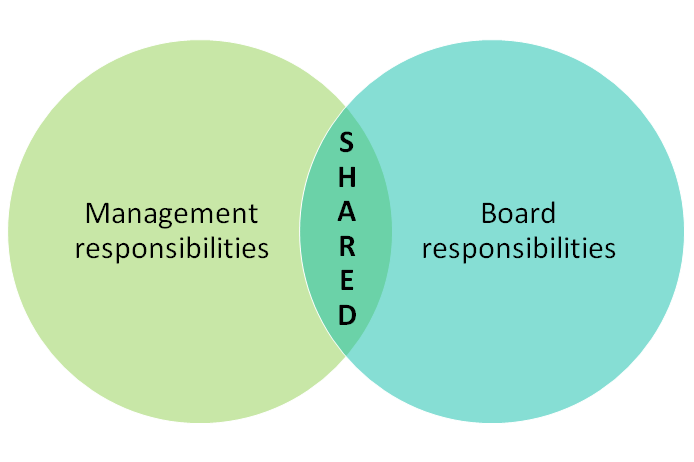
A healthy relationship between the board and management is essential. Yet tension often exists beneath the surface. Some boards micromanage, while others disengage. Clear role boundaries, mutual respect, and open communication improve effectiveness. Productive dialogue enables management to execute confidently while maintaining accountability.
Why These Conversations Matter Now
The SACCO sector is evolving rapidly. Competition is increasing, member expectations are rising, and regulations continue to change. Boards that avoid uncomfortable topics risk stagnation. On the other hand, boards that embrace honest, forward-looking conversations build stronger institutions. SACCO Champion believes that courageous governance is the foundation of cooperative success.
Conclusion: From Silent Boards to Strategic Leadership
What SACCO boards do not talk about often determines what holds them back. Silence creates blind spots, while open dialogue creates opportunity. By addressing governance depth, skills, trust, technology, culture, and risk, boards move from routine oversight to strategic leadership. SACCOs that encourage these conversations today will lead the cooperative movement tomorrow. Learn more and stay updated at Sacco Champions.
Enquire/Request Quote Here