
Many SACCO members hear about audited accounts every year. However, few truly understand what they mean. Yet, audited accounts play a critical role in protecting members’ savings. Therefore, learning how to read them empowers members to make informed decisions. This guide explains SACCO audited accounts in a simple and practical way.
What Are SACCO Audited Accounts?
Audited accounts are financial statements reviewed by independent auditors. These auditors examine whether SACCO records are accurate and reliable. Additionally, they confirm compliance with accounting standards and regulations. As a result, audited accounts present a true financial picture of the SACCO.
These reports usually cover one financial year. They summarize how money was received, spent, invested, and safeguarded. Therefore, members rely on audited accounts to assess financial health.
Why Audited Accounts Matter to SACCO Members
Audited accounts protect members from mismanagement and fraud. They enhance transparency and accountability within the SACCO. Moreover, they build trust between management and members.
Audited accounts also guide important decisions. For example, they influence dividend declarations and interest rebates. Consequently, members should always review them before voting during annual general meetings.
Key Components of SACCO Audited Accounts
Understanding the main sections makes reading audited accounts easier. Each section serves a specific purpose. Together, they provide a complete financial overview.Check out :SaccoChampions.co.ke to learn more about SACCO innovation and training opportunities, including anti-money laundering training.
Statement of Financial Position (Balance Sheet)
This statement shows what the SACCO owns and owes at a specific date. It includes assets, liabilities, and members’ funds. Assets may include loans, cash, and investments. Liabilities include deposits and external borrowings.
Members’ funds represent accumulated savings and reserves. Therefore, a strong balance sheet indicates financial stability.
Statement of Comprehensive Income
This statement shows income earned and expenses incurred during the year. Income includes interest from loans and investments. Expenses include operating costs and loan loss provisions.
If income exceeds expenses, the SACCO makes a surplus. Consequently, higher surpluses may lead to better dividends for members.
Statement of Cash Flows
This section explains how cash moved during the year. It shows cash from operations, investing, and financing activities. Positive cash flow indicates good liquidity.
Liquidity ensures the SACCO can meet withdrawal and loan demands. Therefore, members should check this statement carefully.
Statement of Changes in Equity
This statement tracks changes in members’ funds over time. It shows retained earnings, reserves, and dividends paid. Strong growth in equity reflects sustainability.
Members benefit when equity increases steadily. It strengthens the SACCO against financial shocks.
Notes to the Financial Statements
Notes provide detailed explanations behind the figures. They clarify accounting policies, loan provisions, and risk exposure. Additionally, they highlight commitments and contingencies.
Many members skip this section. However, notes reveal crucial information. Therefore, reading them improves understanding significantly.
The Auditor’s Report Explained
The auditor’s report gives an independent opinion on the accounts. It confirms whether statements present a true and fair view. There are different types of audit opinions.
An unqualified opinion means the accounts are reliable. A qualified opinion indicates some concerns. Adverse opinions raise serious red flags. Therefore, members should always note the auditor’s conclusion.
What Members Should Look Out For
Members should examine loan default levels. High non-performing loans increase risk. They should also check operating expense trends. Rising costs may affect future dividends.
Additionally, members should review compliance with regulations. Any regulatory breaches require attention. Asking questions during AGMs strengthens accountability.
Common Annual General Meeting Questions
Members often ask about dividends and interest rebates. Others inquire about loan recovery strategies. Questions about investments and risk management also arise.
Audited accounts provide answers to most of these questions. Therefore, members should review reports before meetings. For a detailed understanding of how SACCOs should report and manage finances, explore this guide: Sacco Financial Management and Reporting.
How Audited Accounts Promote Good Governance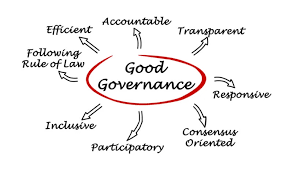
Audited accounts encourage ethical leadership and financial discipline. Management remains accountable to members and regulators. Transparency reduces opportunities for misuse of funds.
Strong governance attracts more members and deposits. Consequently, the SACCO grows sustainably.
Conclusion: Knowledge Empowers SACCO Members
Understanding SACCO audited accounts benefits every member. It builds confidence and promotes active participation. Members can question, vote, and decide wisely.
Audited accounts are not just technical documents. They are tools for accountability and protection. Therefore, every SACCO member should take time to understand them. Visit our website :https://saccochampions.co.ke/ to learn more about SACCOs, their operations, and available training programs that empower both members and leaders to thrive in the digital age. You can also check our main website, Eagles Management Consultant, for more insights and updates on team building and wellness programs.
Enquire/Request Quote Here